Are ATV and UTV Tires the Same?
Jul 10 2026
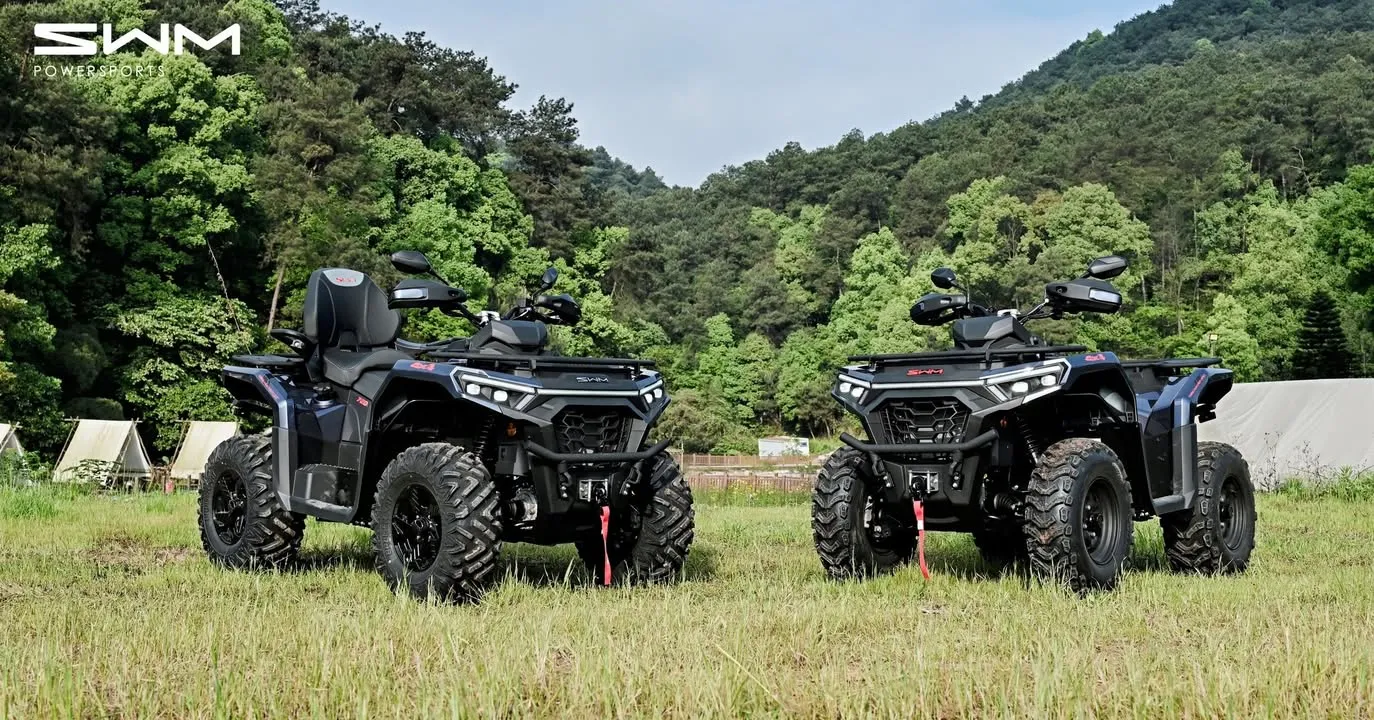
While ATV and UTV tires often feature very similar tread patterns and overlapping sizes, they are not the same. In fact, they are generally not interchangeable.
The primary differences lie in their load capacities, sidewall strengths, ply ratings, and overall intended use. While both are built for rugged off-road performance, UTV tires are specifically engineered to support much heavier vehicles and payloads.
Why Are ATV and UTV Tires Different?
To understand why you shouldn't just swap tires between these machines, you need to look under the rubber. Here are the three main areas where they diverge.
Feature | ATV Tires | UTV Tires |
Average Vehicle Weight | 400 – 800 lbs | 1,500 – 3,000+ lbs |
Common Ply Rating | 4-ply to 6-ply | 8-ply to 10-ply (Radial) |
Tire Profile | Rounded (for easy steering/leaning) | Flat (for maximum weight distribution) |
Sizing Style | Staggered (Narrow front, wide rear) | Often Square (Same size all around) |
1. Weight Capacity & Ply Rating (The Biggest Difference)
ATVs are relatively lightweight, typically scaling in between 400 and 800 lbs. Because of this lighter load, ATV tires generally feature a lower ply rating (usually 4-ply or 6-ply), resulting in thinner, more flexible sidewalls.
UTVs are heavy-duty workhorses. Once you account for the steel roll cage, multiple passengers, and a dump bed loaded with gear or cargo, a UTV can easily weigh between 1,500 and 3,000+ lbs. Consequently, UTV tires require a much higher ply rating (typically 8-ply to 10-ply) and heavily reinforced sidewalls to prevent the tire from collapsing under pressure or puncturing on sharp rocks.
2. Tire Contact Patch and Shape
ATV Tires (Rounded Profile): ATV tires usually feature a more rounded tread design. When riding an ATV, you use your body weight to lean into turns. A rounded tire profile allows for smooth rolling transitions and makes handlebar steering much easier.
UTV Tires (Flatter Profile): UTVs steer just like a car using a steering wheel, and the vehicle does not lean into corners. Because of this, UTV tires have a flatter, automotive-style contact patch. This design evenly distributes the heavy weight of the machine and maximizes the tire's grip on the terrain.
3. Sizing Setup (Staggered vs. Square)
ATVs almost always run a staggered setup. The front tires are noticeably narrower to allow for easy, precise steering control, while the rear tires are wider to deliver maximum pushing power and traction.
UTVs frequently utilize a square setup, meaning all four tires and wheels are the exact same size. This setup allows for easy tire rotation and ensures stable, predictable handling across rough utility trails.
ATV vs UTV Tires: Can They Be Interchanged?
You can occasionally mount a UTV tire on an ATV, but you should never put an ATV tire on a UTV.
If you put a lightweight, 4-ply ATV tire on a heavy Side-by-Side (UTV), the sidewalls will dangerously deform under the massive weight. This leads to sloppy, unpredictable handling, severe tire overheating, and greatly multiplies your risk of a high-speed blowout or a pinch flat.
On the flip side, putting a heavy, stiff 10-ply UTV tire on a small ATV might handle the weight, but it will result in an incredibly rough, rigid ride. Furthermore, the extra rotating weight of the UTV tire will put unnecessary strain on your ATV’s clutch and drivetrain.
How to Tell Whether a Tire Is Made for an ATV or UTV?
If you are looking at a tire and aren't sure which machine it belongs to, check the sidewall markings and specifications. Here are the easiest ways to spot the difference:
Check the Ply Rating: Look for the ply rating stamped on the sidewall (e.g., "6-Ply Rated" vs. "8-Ply Rated" or "10-Ply Rated"). Anything 8-ply and above, or marked as Radial (R) construction for heavy loads, is typically a UTV tire.
Look at the Load Index: UTV tires will list a significantly higher load index number (the weight the tire can safely carry) compared to ATV tires of a similar height.
Inspect the Tread Profile: Lay the tire flat or look at it head-on. If the tread surface forms a distinct, rounded dome, it is built for an ATV. If the tread profile looks blocky, square, and flat across the top—resembling a rugged truck tire—it is designed for a UTV.
-
Aug 25 2026
learn more
 UTV Safety: 12 Essential Rules for Every Rider
UTV Safety: 12 Essential Rules for Every Rider
UTV Safety: 12 Essential Rules for Every Rider
-
Aug 24 2026
learn more
 ATV Hunting: 9 Tips for a Safer, Smarter Hunt
ATV Hunting: 9 Tips for a Safer, Smarter Hunt
ATV Hunting: 9 Tips for a Safer, Smarter Hunt
-
Aug 20 2026
learn more
 ATV Beginner’s Guide: Start Your Off-Road Journey with the SWM Trailhunter 580
ATV Beginner’s Guide: Start Your Off-Road Journey with the SWM Trailhunter 580
ATV Beginner’s Guide: Start Your Off-Road Journey with the SWM Trailhunter 580
-
Aug 20 2026
learn more
 Hybrid UTV Explained: Benefits, Smart Hybrid Technology
Hybrid UTV Explained: Benefits, Smart Hybrid Technology
Hybrid UTV Explained: Benefits, Smart Hybrid Technology