Can You Drive a UTV on Public Roads
May 27 2026
Can You Drive a UTV on Public Roads?
In many U.S. states and certain parts of Europe, UTVs can legally cruise on public roads, but here’s the catch: no factory-made UTV is street legal right out of the box. So, whether you’re thinking of buying your first Side-by-Side or want to get more out of the one you've got, know the laws before you hit the road. This guide looks at road-use rules in the United States, EU, and UK. You'll learn what “street legal” means, where you're allowed to drive these vehicles, the conditions, and the necessary mods for your ride.
What Is a UTV?
A UTV ( Utility Terrain Vehicle ), also known as a Side-by-Side (SxS), is kind of a purpose-built off-road machine that usually has a steering wheel, foot pedals, and seating that sits side-by-side, all inside an enclosed or semi-enclosed cab, often reinforced with a roll cage for occupant protection. It’s a bit different from an ATV in terms of both design and capability, and UTVs cover a huge set of uses: agricultural and ranch work, construction site logistics, weekend trail riding, and even competitive off-road racing. For a lot of owners, being able to drive straight to a trail or move between work sites without the usual time, and yes the added expense of trailering, feels like a real, practical edge. That’s why having road-legal status can become a priority, and not just a nice-to-have.
What Does "Street Legal" Mean for a UTV?
A street-legal vehicle meets all safety equipment, registration, and licensing requirements for public road operation. Virtually no production UTV qualifies out of the box. Even where road use is permitted, the vehicle must be fitted with road-specific hardware and formally registered. A driver's licence alone is not sufficient — the vehicle itself must meet the technical standards of the relevant authority.
United States: State-by-State Regulations
There is no federal statute governing UTV operation on public roads in the United States. Regulatory authority rests entirely with individual states — and in many cases, individual counties and municipalities — creating a fragmented legal environment in which the same vehicle carries different legal statuses depending solely on geography. Approximately 20 states have established clear legal pathways for road use. The most permissive include Alaska, Arizona, Idaho, Montana, North Dakota, Oklahoma, South Dakota, Utah, and Wyoming, where properly registered UTVs may operate on most city streets and county roads.
Many other states delegate authority to local governments. Colorado has no statewide registration pathway, but many counties allow UTVs on designated roads — and out-of-state street-legal registration does not confer road-use rights within Colorado. California, New York, and Delaware maintain strict restrictions with no general registration pathway; owners in these states will typically need to trailer their vehicles to off-road areas. Across all permitting states, standard requirements include:
• Valid state driver's licence
• Official vehicle registration and licence plates
• Liability insurance meeting state minimums
Universal restrictions apply regardless of state: interstate highways are prohibited, speed is capped at 35–45 mph, and use is generally limited to county roads and undivided two-lane highways.
Europe: Type Approval and Homologation
Rather than fragmented state-by-state rules, the EU operates a centralized type-approval (homologation) system that provides a consistent legal pathway across member states. Two primary regulations govern UTV road-legal status: Regulation (EU) 167/2013 (T-category, covering agricultural and forestry vehicles) and Regulation (EU) 168/2013 (L-category, covering light motor vehicles and recreational Side-by-Sides). Technical standards cover vehicle weight and dimensions, maximum speed, engine power, noise levels, and the presence of required safety equipment. Operating on EU public roads without valid homologation can result in substantial fines and vehicle confiscation.
Certification | Road Legal? | Key Conditions |
Machinery Directive (MD) | No | Restricted to private land; no road lighting or plates |
Tractor (T-category) | Yes | Speed limited to 40 or 60 km/h; full road equipment required |
L7e (Heavy Quadricycle) | Yes | Power capped at 15 kW; full road registration |
EU Homologation | Yes (varies) | Specifications vary by vehicle type |
Following Brexit, several manufacturers — including Polaris — transitioned UK-market models from EU homologation to MD certification, making them no longer road-legal in the UK. Always verify certification at point of purchase.
United Kingdom: Post-Brexit Requirements
The UK operates its own approval system via the DVLA and VCA. To drive legally on public roads, a UTV must hold valid type approval, be registered with the DVLA, be taxed and (if over 3 years old) hold a current MOT certificate, and be covered by third-party insurance. Drivers must be at least 17 and hold a full Category B licence. Road-legal models must comply with Euro 4 emissions standards — carburettor-equipped vehicles are ineligible.
Required Modifications
The specific modifications required vary by jurisdiction, but the following are mandated in the majority of markets where road use is permitted. Beyond meeting legal requirements, these modifications also provide genuine safety benefits when operating a UTV on public roads.
• Lighting system: headlights, taillights, brake lights, turn signals, hazard flashers (E-marked in Europe)
• Mirrors: at least one driver-side mirror; dual mirrors mandated in most states
• Horn: audible from at least 60 metres (75 metres in Arizona)
• Road-certified tires: DOT-certified (US) or E-marked (Europe)
• Illuminated licence plate bracket: required in Texas, Utah, Wyoming, and the UK
• Windshield and wipers: mandatory in Michigan; strongly advisable elsewhere
Summary
Region | Key Requirement |
United States | ~20 states permit road use with proper registration; rules vary by state and county |
European Union | Valid T-category, L7e, or EU homologation required; MD-certified vehicles not road-legal |
United Kingdom | DVLA registration, MOT, Category B licence, Euro 4 compliance |
Before purchasing a UTV with road use in mind, confirm the homologation or certification status of the specific model, verify the rules for your location, and ensure you have a clear path to completing required modifications and registration.
-
Jun 25 2026
learn more
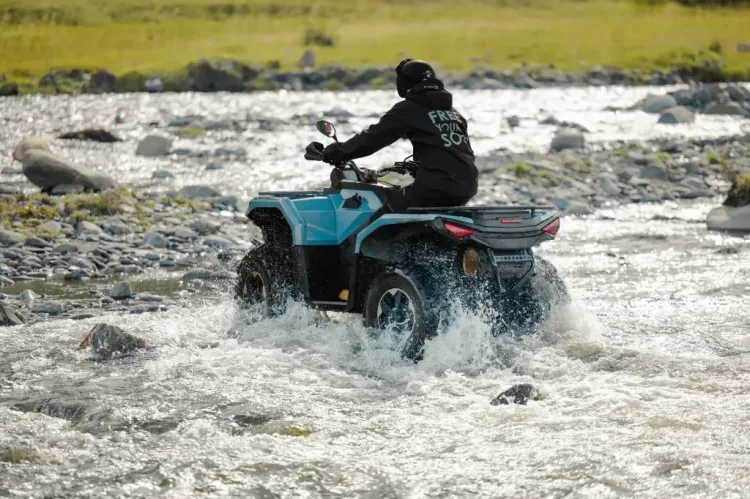 7 Different Types of ATVs: How to Choose the Right Quad
7 Different Types of ATVs: How to Choose the Right Quad
7 Different Types of ATVs: How to Choose the Right Quad
-
Jun 18 2026
learn more
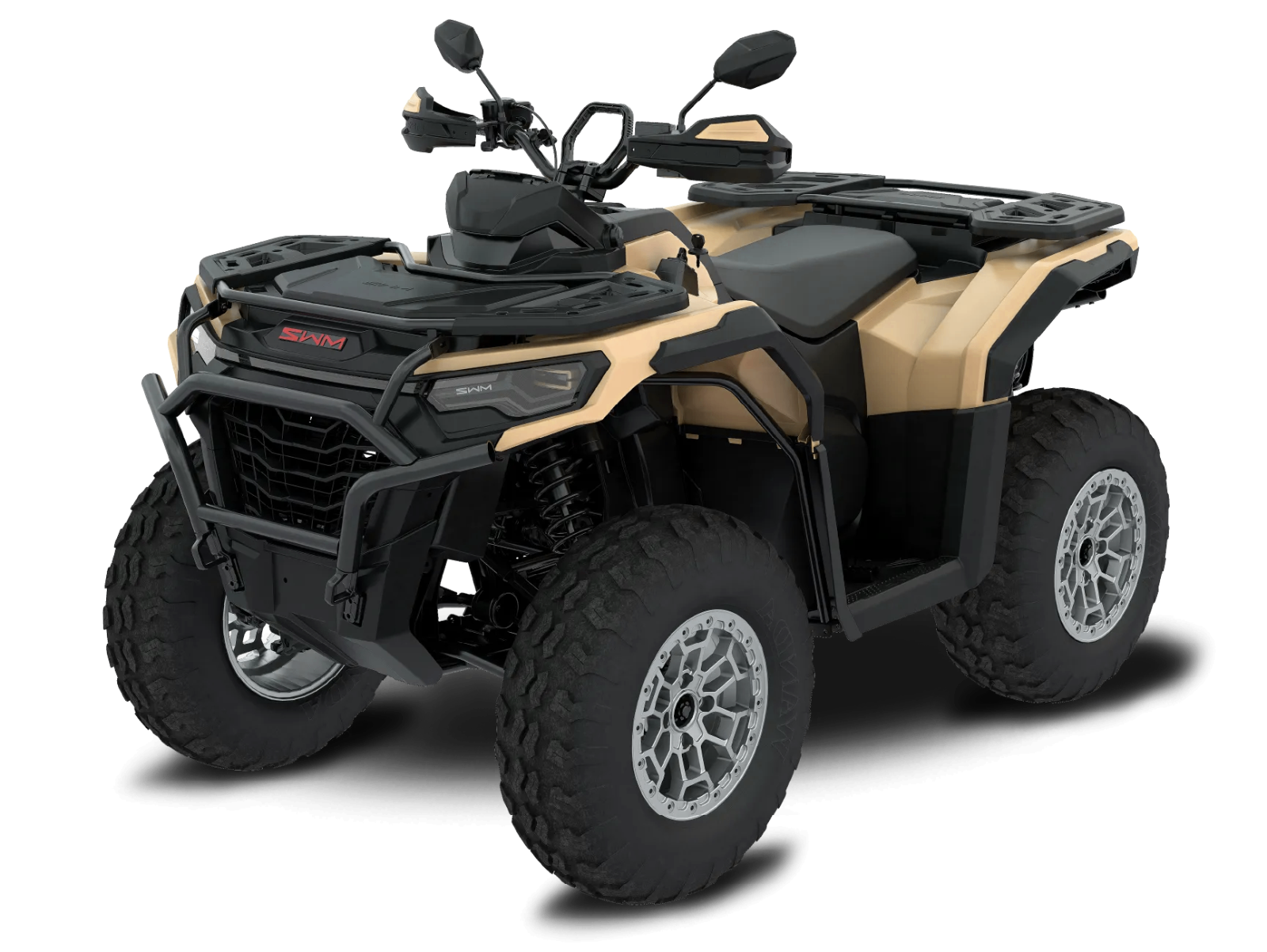 What is the top speed of the SWM Trailhunter 1000?
What is the top speed of the SWM Trailhunter 1000?
What is the top speed of the SWM Trailhunter 1000?
-
Jun 17 2026
learn more
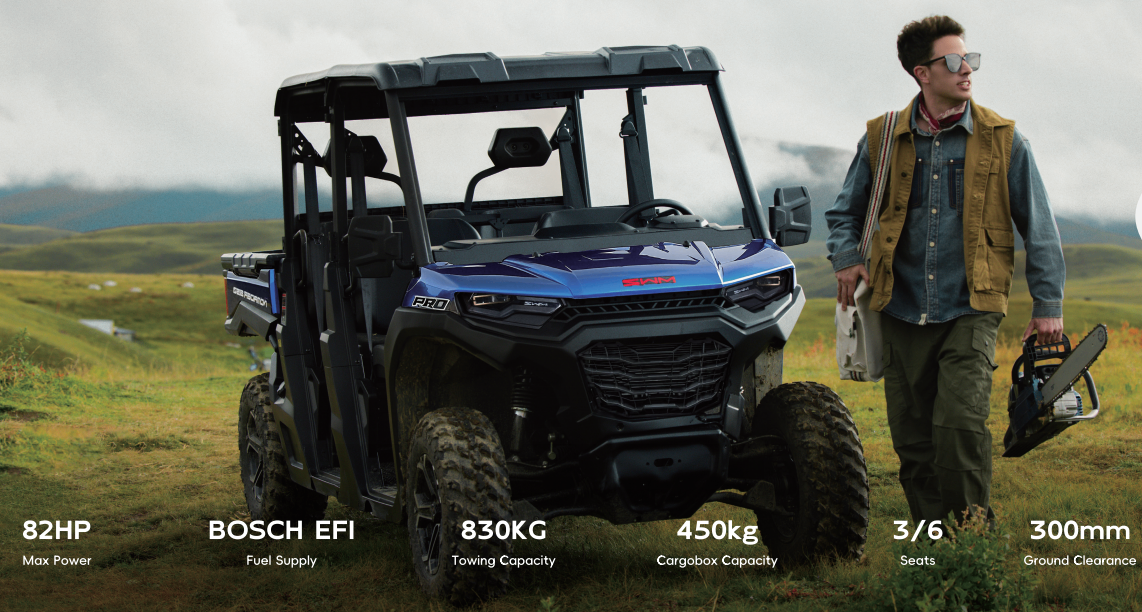 How Much Horsepower Does the 850cc V-Twin Produce?
How Much Horsepower Does the 850cc V-Twin Produce?
How Much Horsepower Does the 850cc V-Twin Produce?
-
Jun 23 2026
learn more
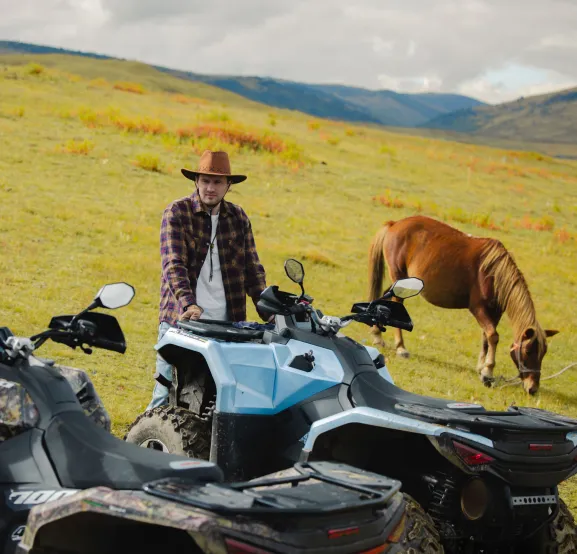 Can SWM ATV Handle Mud and Snow?
Can SWM ATV Handle Mud and Snow?
Can SWM ATV Handle Mud and Snow?