How to Maintain an ATV: The Ultimate Guide for High-Performance Reliability
Jun 08 2026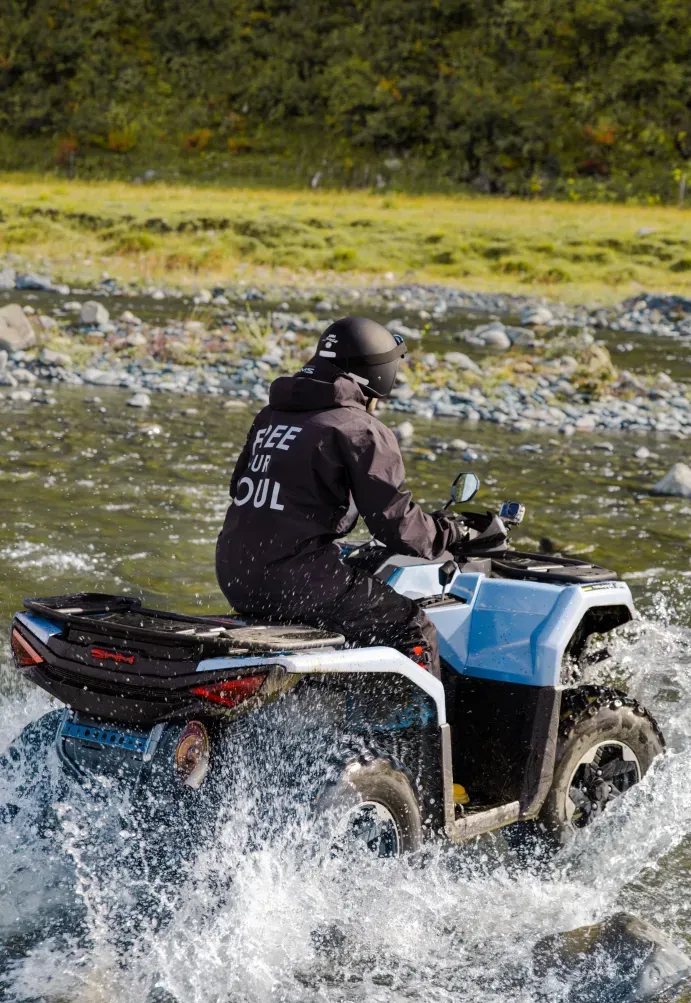
So you want to know how to maintain an ATV the right way. Not just the basics, but the kind of routine that keeps your machine running strong for years. Whether you run a rental fleet or you use your ATV for serious off road work, getting this down is a game changer. It saves you money, keeps you safe, and turns your ATV into a reliable partner instead of a constant headache.
This guide comes from an engineering angle. But don't worry, we'll keep it practical. You'll get real world tips that help your machine stay in peak shape, ride after ride.
Why Regular Maintenance Is Your Best Investment
People ask all the time: do ATVs really need that much maintenance? The short answer is yes. Think about where you ride. Mud, dust, high heat, heavy loads. That's everyday life for an ATV. Compare that to a car that mostly sees paved roads. It's a totally different world.
If you skip regular checks, a small worn part can quickly turn into a blown engine. And that means downtime. Sometimes weeks of it.
Here's the thing. Maintenance isn't an expense. It's an investment. A solid routine can stretch your ATV's life by three to five years. When you look at what a new machine costs, the time and money you spend on oil changes, filter swaps, and bolt checks are nothing. Treat your ATV like the hard working buddy it is. Take care of it, and it will save you a fortune in repair bills when you need it most.
A Pro Guide on How to Maintain an ATV
Maintaining an ATV goes beyond just swapping out worn parts. It's about preventive checks. We call it catching trouble before it catches you. We'll break this down into six key systems. Each one follows solid engineering principles. The goal is simple: maximize mechanical efficiency and keep you riding.
1. Engine, Fuel & Lubrication Systems
Oil and filter checks. Check your oil often. If you see metal flakes in it, that's a warning sign. It means internal bearings are starting to wear. Change it right away. If the oil looks like thick mud, same thing. But if you see a milky white color, that's bad. It means coolant has leaked into the oil. You'll need to check the water pump seal.
Fuel stability. Modern gasoline has ethanol in it. Ethanol loves to absorb moisture from the air. That turns your gas into junk over time. It causes carbon buildup in the engine. If your ATV is going to sit for more than two weeks, throw in some fuel stabilizer and drain the carb or fuel lines. Yeah, it adds a few minutes. But it's one of those things that pays off.
Spark plugs. Check the ceramic part for cracks. Look at the electrode. Is it covered in black soot? That means incomplete combustion. A brick red color is perfect. Pure white means it's running too hot. Use those colors to diagnose your engine's health.
2. Drivetrain & CVT Performance
Belt inspection. Measure the belt width. And don't forget to look at the inner teeth and grooves. Tiny cracks there are a warning. They mean the belt could snap any time, especially out on the trail. If you see cracks, replace it immediately. A broken belt can damage the clutch housing and leave you stranded.
Clutch dust removal. Over time, dust builds up inside the CVT housing. That causes overheating and poor grip. Here's a pro trick: use compressed air to blow out the dust. But blow from the intake port, going backwards. That clears out more debris and extends belt life like crazy.
3. Air Intake, Exhaust & Cooling
Air filter care. Check and replace your air filter regularly. But also inspect the rubber seal on the airbox. If you see any dust or sand inside the box past the filter, that means air is leaking in. That's bad. Unfiltered air will wear out your cylinder walls fast.
Cooling and exhaust. Clean your radiator fins carefully. Never use a high pressure washer on them. It bends the fins and kills heat exchange efficiency. Instead, use low pressure water or a soft brush. Also, check your exhaust pipe for mud or debris blockages. A clogged exhaust raises back pressure and makes the engine overheat.
4. Tires, Brakes & Chassis
Tire management. Check tire pressure, cracks, wear patterns, and pick out any embedded rocks. For hard packed ground, use higher pressure. For sand, lower the pressure to get a bigger footprint. That helps with traction.
Brake system. Check your brake pad thickness. Look over the brake lines for any cracks or leaks. If you ride hard or race, switch to a high temperature synthetic brake fluid. That kind of fluid helps stop brake fade when you're riding aggressively.
Chassis and fasteners. Grease all the Zerk fittings regularly. And make this a habit: before every ride, grab a torque wrench and check all the key bolts. Especially suspension and steering bolts. Vibration loosens them over time. That leads to premature bearing wear or parts falling off.
Handlebar grip check. Make sure the grips are tight. If they spin, reglue them. Loose grips kill your steering precision. And that's dangerous when you're navigating tight trails.
5. Electrical & Battery Stability
Battery maintenance. Clean the battery terminals. Remove any white or blue oxidation. Check that the cables are tight. If you're storing the ATV for more than a few weeks, hook it up to a smart trickle charger. That prevents discharge and internal sulfation. A dead battery is avoidable.
Electrical diagnostics. Use a multimeter to check voltage regularly. When you hit the starter, voltage shouldn't drop below 10 volts. If you keep getting sensor warnings, don't immediately blame the sensor. First, check the electrical connectors. They get loose or corroded. Clean them with electrical contact cleaner. That solves most false alarms.
6. Exterior & Rider Gear Maintenance
Cleaning the body. Wash your ATV with soapy water at least once a week. Don't just do it for looks. It removes mud and moisture that can corrode wires and connections. A clean machine is a happy machine.
Rider gear care. Wash your helmet liner regularly. Disinfect it too. Check that your helmet communication gear is secure. For your riding suit, follow the manufacturer's cleaning instructions exactly. The wrong detergent can damage the fabric's abrasion resistance. And that's a safety issue.
Summary: ATV Maintenance Quick Reference Table
Maintenance Item | Check Frequency | Action | Difficulty |
Oil and filter | 25 to 50 hours | Replace with full synthetic oil. Inspect oil quality. | Medium |
CVT belt inspection | 50 hours | Check belt width. Clean out clutch dust. | High |
Air filter | Before every big ride | Inspect and clean. Replace if heavily dirty. | Easy |
Suspension grease (Zerks) | 50 hours | Apply high water resistant grease. | Easy |
Chassis fasteners | 25 hours | Torque check all suspension and steering bolts. | Medium |
Battery voltage | During long storage | Monitor voltage. Use a trickle charger. | Easy |
Common ATV Problems and Professional Solutions
Even with good maintenance, stuff happens on the trail. Here's how to think like a mechanic and fix the most common issues.
Engine feels choked or sluggish. If your ATV accelerates poorly, don't start with the fuel system. Check the air intake and CVT clutch first. Clean the air filter seal and blow out the belt dust. That alone brings back 90 percent of your lost power. Seriously.
Loose steering or wandering left and right. That's almost always worn out chassis bushings. Replace them with polyurethane bushings. Your steering precision will come right back. No need to replace expensive steering components.
Electrical warning lights. A lot of these errors are fake. They're caused by low voltage. Before you dive into wiring diagrams, clean all the electrical connectors with contact cleaner. Then check your battery voltage. You'll be surprised how often that fixes everything.
FAQ About ATV Maintenance
Q: Do ATVs require a lot of maintenance?
A: It really depends on how hard you ride. For commercial rentals or frequent off road use, plan on basic maintenance every 25 to 50 hours. For light recreational use, you can stretch that a bit. But don't skip it.
Q: What ATVs should I stay away from?
A: Avoid brands with poor parts supply or weak dealer support. You don't want to be stuck waiting months for a simple gasket or a brake pad. Do your research before you buy.
Q: Why is ATV insurance so high?
A: Insurance cost depends on a few things. How do you use the ATV? Commercial or rental use raises the price. Your riding history matters. And the safety features on your machine also play a role. Shop around for quotes.
Q: What are the 8 golden rules of ATV safety?
A: Wear a helmet. Keep your eyes where you want to go. Control your speed. Read the terrain ahead. Don't overload the machine. Keep your ATV in good working order. Ride with a buddy. And follow all local laws.
-
Jun 10 2026
learn more
 UTV Troubleshooting Guide: How to Troubleshoot Common Side by Side Problems
UTV Troubleshooting Guide: How to Troubleshoot Common Side by Side Problems
UTV Troubleshooting Guide: How to Troubleshoot Common Side by Side Problems
-
Jun 08 2026
learn more
How to Maintain an ATV: The Ultimate Guide for High-Performance Reliability
How to Maintain an ATV: The Ultimate Guide for High-Performance Reliability
-
Jun 05 2026
learn more
 How Fast Can an ATV Go? Engine Sizes and Speed Realities
How Fast Can an ATV Go? Engine Sizes and Speed Realities
How Fast Can an ATV Go? Engine Sizes and Speed Realities
-
Jun 04 2026
learn more
 ATV Uses: 25 Common Ways to Get More Out of Your Vehicle
ATV Uses: 25 Common Ways to Get More Out of Your Vehicle
ATV Uses: 25 Common Ways to Get More Out of Your Vehicle