14 Off-Road Riding Essentials Every ATV & UTV Rider Needs
Jul 13 2026
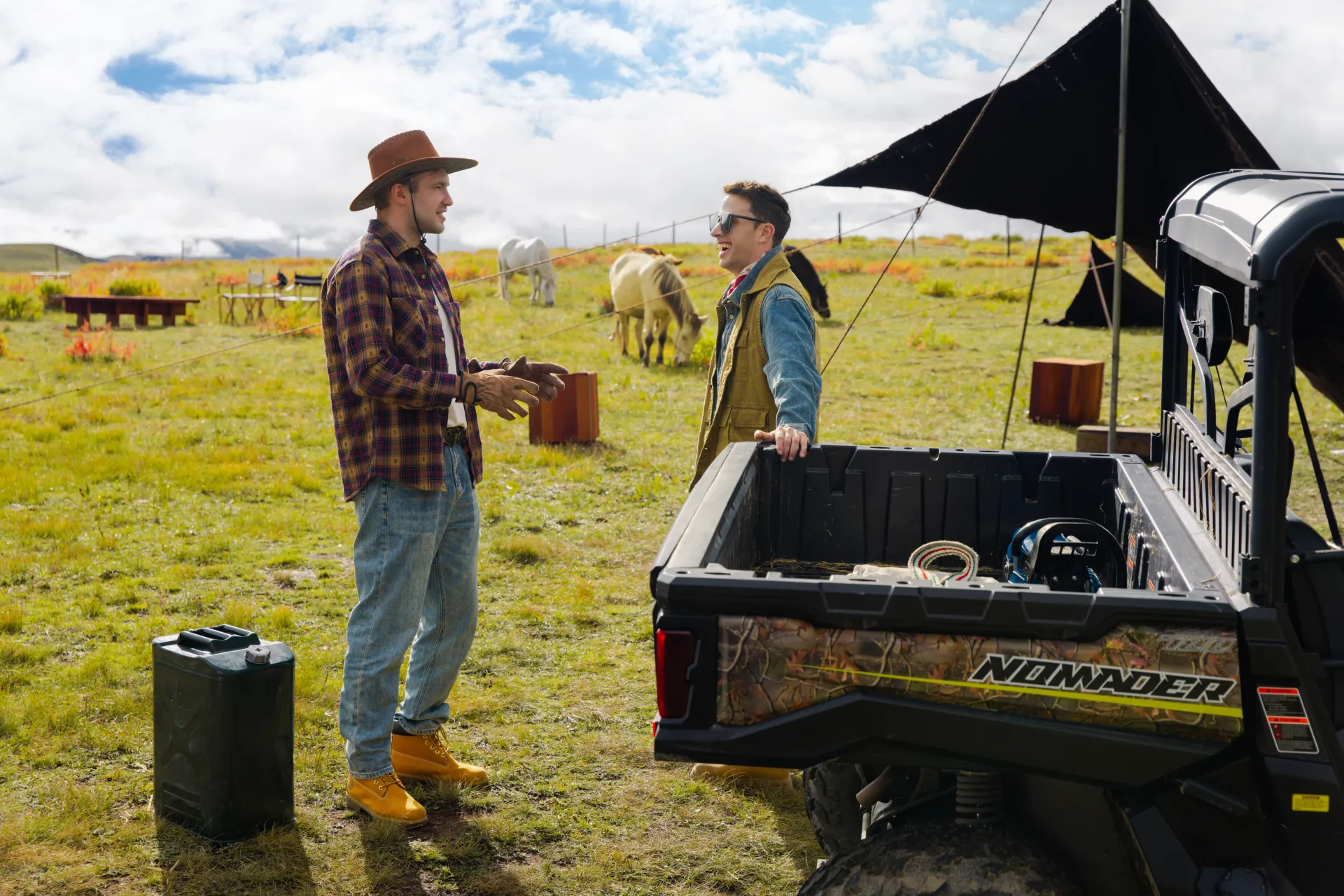
Every off-road rider has a story about the trip that almost went wrong. A flat tire miles from the trailhead. A stuck vehicle with no recovery gear. A close call that could have been avoided with the right preparation. The difference between an adventure and an emergency often comes down to what you packed before you left.
Whether you’re carving desert dunes , cruising forest trails or pushing through mountain passes, keeping the right off-road riding essentials on every little trip is not negotiable. This kinda complete gear checklist covers all 14 must have things for ATV and UTV riders in 2026—starting with full head-to-toe protective coverage, and rolling on to advanced recovery tools , plus the repair supplies you’ll be glad you packed when plans get weird.
Why Preparation Matters More Than Skill on the Trail
Even the most experienced off-road riders get into trouble. Remote terrain amplifies small mistakes: a sprained ankle two miles from the trailhead, a snapped axle on a switchback, or a GPS that dies when you've left the marked trail. Preparation doesn't replace skill — it gives your skill something to work with when things go sideways.
Trail rescue services may take hours to reach remote locations. Cell coverage is often nonexistent. The riders who come home safe are almost always the ones who came prepared.
Category 1: Safety & Protective Gear
1. Full-Face Helmet
Your helmet is the single most important item on this list. For off-road riding, a full-face helmet is strongly preferred over open-face — it protects your jaw and chin, which are common impact points in ORV crashes.
Replace your helmet every 5 years or after any significant impact, even if no visible damage is present. The foam inside compresses permanently on impact.
2. Goggles or a Face Shield
Dust, rocks, branches, and insects travel at extreme speed on the trail. Even in moderate terrain, riding without eye protection is reckless. Choose between:
· Goggles (preferred for ATV/dirt riding): Foam seal blocks fine dust; compatible with most off-road helmets; tear-off systems available for muddy conditions
· Face shield (integrated or flip-down): Easier to use but offers less dust sealing
3. Off-Road Gloves
Your hands take constant impact from handlebars on rough terrain. Off-road gloves protect against:
· Vibration fatigue (reduces hand soreness on long rides)
· Abrasion in a fall
· Branch and debris strikes at speed
4. Off-Road Boots
Never ride in sneakers or casual footwear. Dedicated off-road boots provide:
· Ankle and shin protection
· Foot and toe reinforcement
· Oil-resistant soles with grip for standing on pegs
· Protection from heat near exhaust systems
Minimum requirement: boots that rise above the ankle with a stiff sole. Dedicated MX or enduro boots are ideal.
5. Chest Protector and Body Armor
A good chest protector keeps your ribs, breastbone and spine safe from impacts that happen during falls or when debris comes flying in. For more serious off-road riding, a roost deflector (a chest and back combo) or a full-body armor jacket really helps, because it lowers the chance of getting hurt a lot.
6. Knee and Shin Guards
Knees are vulnerable in any dismount or fall — and the terrain itself (rocks, roots, brush) can cause injuries even without a crash. Hard-shell knee guards with flexible hinge systems stay in place during riding and provide meaningful protection without restricting movement.
Category 2: Navigation & Communication
7. GPS Device or Offline Trail Map App
Cell signal is kinda unreliable in most off-road places. A dedicated GPS device, mounted on the handlebars or on the dash, or else a smartphone app with maps pre downloaded for offline use, is basically essential for finding your way around.
Always download the trail map area before leaving cell range. Carry a paper backup map for multi-day trips or unfamiliar territory.
8. Two-Way Radios or a Satellite Communicator
On group rides, two-way radios, kinda walkie-talkies, they help keep everyone connected when the trail starts splitting you from each other visually. Try to get units with at least a 20-mile range rating , though the real world range will always change a bit depending on trees, terrain, and interference.
Category 3: Vehicle Recovery Gear
9. Tow Strap or Kinetic Recovery Rope
Getting stuck isn't a matter of if — it's when. A tow strap allows another vehicle to pull you out of a bog, ravine, or sand trap. A kinetic recovery rope (also called a snatch strap) is superior — it stores energy like a spring and delivers a powerful, smooth pull rather than a jerky tug that can damage bumpers and tow points.
Key specs:
· Choose a strap rated to at least 2x your vehicle's weight
· Kinetic ropes: 20–30 ft length is standard
· Always use proper recovery points — never hook to a tow ball or bumper mount
10. Hi-Lift Jack or Off-Road Jack
Standard car jacks don't work on uneven terrain or for vehicles stuck in deep mud or ruts. A Hi-Lift jack (also called a farm jack) is a versatile mechanical advantage tool that can lift, push, pull, and clamp — one of the most useful recovery tools you can carry.
Secure the base on stable ground or a base plate when using on soft terrain. For ATVs, a compact aluminum hydraulic jack designed for ORVs is a lighter alternative.
11. Traction Boards
Traction boards are rigid recovery aids you place under stuck tires to give them grip when they're spinning in mud, sand, or snow. They're faster and safer than digging by hand and are reusable almost indefinitely.
For sand dune riding especially, a set of traction boards is almost as important as a tow strap.
12. Portable Air Compressor
Once you have aired down your tires for use on sand, mud, or rocks, you will have to air up your tires again before driving on hard-packed roads or tarmac. This is where the 12V portable air compressor comes in handy.
Look for units that reach 100+ PSI with a realistic flow rate (1.2 CFM minimum).
Category 4: Tools & Repair Supplies
13. Basic Tool Kit and Spare Parts
Mechanical failures happen on the trail. A compact tool kit lets you address the most common issues without calling for a tow:
Essential tools:
· Combination wrench set (metric and standard)
· Allen/hex key set
· Phillips and flathead screwdrivers
· Pliers and zip ties
· Duct tape and electrical tape
· Spark plug socket and spare spark plug (specific to your vehicle)
· Adjustable wrench
Spare parts to carry:
· Drive belt (for belt-driven UTVs — a snapped belt can strand you completely)
· Spare fuses (for your vehicle's fuse box ratings)
· Throttle and brake cable (for ATVs)
· Extra motor oil (one quart)
14. Tire Plug Kit
Punctures are one of the most common trail breakdowns. A tire plug kit (not a patch kit) lets you repair most punctures trailside in under 10 minutes:
1. Remove the object causing the puncture
2. Use the reaming tool to clean the hole
3. Insert the plug using the insertion tool
4. Trim the excess and reinflate
Carry 5–10 plugs per kit. Pair with your portable compressor and you can address most flat tires without removing the wheel.
Final Thoughts
Off-road riding rewards preparation. The 14 essentials on this list aren't about fear — they're about freedom: the freedom to explore deeper trails, more remote terrain, and tougher conditions knowing that you're equipped to handle what comes.
Start with the non-negotiables (helmet, boots, recovery strap), then build your kit systematically.
Ride prepared. Ride smart. And come home with stories worth telling.
-
Jul 13 2026
learn more
 14 Off-Road Riding Essentials Every ATV & UTV Rider Needs
14 Off-Road Riding Essentials Every ATV & UTV Rider Needs
14 Off-Road Riding Essentials Every ATV & UTV Rider Needs
-
Jul 11 2026
learn more
 Is a UTV the Same as a Golf Cart?
Is a UTV the Same as a Golf Cart?
Is a UTV the Same as a Golf Cart?
-
Jul 10 2026
learn more
 Are ATV and UTV Tires the Same?
Are ATV and UTV Tires the Same?
Are ATV and UTV Tires the Same?
-
Jul 10 2026
learn more
 Do You Need Insurance for an ATV or UTV?
Do You Need Insurance for an ATV or UTV?
Do You Need Insurance for an ATV or UTV?