ATV Off-Season Storage Checklist: How to Prepare Your ATV for Long-Term Storage
Oct 30 2026
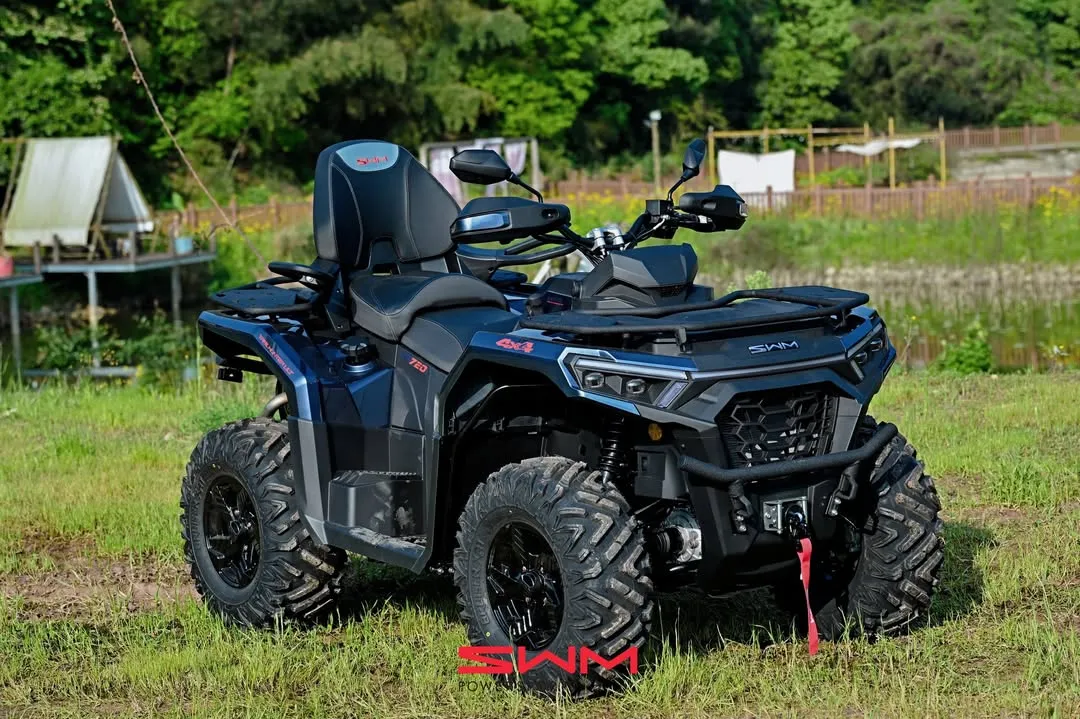
As the riding season comes to an end, your ATV may remain idle for weeks or even months. Whether it's for farm work, site maintenance, or weekend off-road riding, taking some precautions before storing it can save you a lot of trouble when you use it next time.
In my opinion, the biggest misconception is thinking that parking the ATV in the garage is enough. The fuel may deteriorate, the battery may gradually lose power, and a damp environment and rodents can also cause problems during the vehicle's idle period.
This ATV off-season storage checklist will outline what needs to be done before parking, what aspects to check during storage, and how to prepare for the next riding season.
Decide How Long Your ATV Will Be Stored
Before preparing the ATV, consider how long the vehicle is expected to be idle. Vehicles that are parked for three weeks may require different levels of preparation compared to those that are kept in the barn throughout the entire season.
If it's just a short interval between two rides, a clean and dry storage space, a basic inspection, and appropriate battery maintenance measures might be sufficient. If it needs to be stored for several months, fuel handling, battery maintenance, as well as moisture-proofing and pest control measures become even more important.
Additionally, the storage considerations for such vehicles need to consider their actual usage. An ATV used sparingly for recreational riding in off-road conditions would have different storage considerations than an ATV that is regularly used on the farm and thus likely to collect dirt and other debris underneath its frame and body.
Before starting the operation, please refer to the user manual. The storage procedures for different models may vary, especially in aspects such as fuel system handling, battery removal, lubrication, and engine protection.
Clean the ATV and Remove Anything That Could Cause Problems Later
First, remove all the dirt, grass clippings and other debris from the body, chassis, wheel arches and footrest areas. If you often ride on farms or on muddy off-road routes, you should pay special attention to the areas prone to accumulating dirt.
Before covering the protective cover, make sure the ATV is completely dry. Residual moisture can cause corrosion, especially in poorly ventilated storage spaces.
At the same time, check for any loose fasteners, damaged hoses or liquid leaks. I prefer to detect and address these issues before storage rather than discovering them when preparing to ride again.
Prepare the Fuel System for Extended Inactivity
In case of the prolonged period of inactivity of the ATV, it is important to consider the fuel quality. Due to the type of fuel and storage conditions, there might be issues with the starting of the vehicle or creation of deposits in the fuel system.
Check the user's guide to find out about the recommended storage conditions indicated by the manufacturer. Some vehicles might require using special fuel stabilizers, while others might have other conditions of storage.
Do not think that all ATVs need to be stored either with full fuel tanks or completely without fuel in them.
Keep the Battery Ready for the Next Season
Even if the ATV has been shut down, the battery may gradually lose its charge. After being idle for several months, the decline in charge could cause the engine to fail to start.
Before storage, check if the battery and its terminals are corroded, have loose connections, or show obvious damage. If the battery previously had difficulty starting, it should be tested before storage.
For longer periods of storage, it is advisable to follow the manufacturer's recommendations to determine whether to disconnect or remove the battery. Using a compatible battery maintenance charger can also help maintain the battery's charge.
I do not recommend starting the engine occasionally and running it for a short period just to maintain the battery charge. A few minutes of idling operation may not be sufficient to fully replenish the battery charge.
Choose the Right Storage Location
A dry, safe and well-ventilated garage or workshop is usually a good choice. Try to keep the ATV away from areas that are chronically damp, exposed to direct sunlight, and prone to water leakage.
In case it is impossible to store it in an indoor location, an ATV cover for outdoor vehicles can be used. It should be covered only when the ATV becomes completely cold and there shouldn’t be any water collected inside.
Farmers and ranch owners will have to think about the protection against pests as well. Rats might damage wires and hoses located in barns and storages. All food residues have to be removed and the presence of animals has to be constantly checked.
In my opinion, rather than purchasing additional accessories that may not be suitable for your vehicle model, it is better to prioritize ensuring the appropriate storage environment.
Check on Your ATV During Storage
Long-term storage doesn't mean you need to inspect the vehicle every day. However, an occasional check can help catch problems early.
Depending on the storage period and conditions, check for:
Changes in tire pressure.
Battery charge and condition.
Fluid leaks or signs of corrosion.
Moisture buildup or pest damage.
Keep a short note of anything that needs attention before the next riding season. Also, follow the manufacturer's recommendations rather than starting the engine periodically without a clear reason.
Complete a Check Before Riding Again
When it's time to use your ATV again, don't assume everything is ready just because the engine starts.
Before riding, check the battery, tires, brakes, steering, lights, and fluid levels. Inspect the vehicle for leaks, damaged wiring, or loose components, and make sure the fuel system is ready for use.
Follow the owner's manual for restarting the vehicle after extended storage. If you find a safety-related problem, resolve it before riding. Once the basic checks are complete, test the ATV in a safe area before returning to normal use.
This final step is easy to overlook, but it matters. A vehicle that starts successfully isn't necessarily a vehicle that's ready to ride safely.
ATV Off-Season Storage Checklist
Before leaving your ATV unused for an extended period, use this quick checklist to confirm that the main preparation steps are complete.
Estimate the storage period and review the owner's manual.
Clean the vehicle and allow it to dry completely.
Prepare the fuel system according to the manufacturer's instructions.
Inspect the battery and arrange suitable charging or storage.
Check tires, visible damage, loose components, and fluid leaks.
Choose a dry, secure, and well-ventilated storage location.
Protect the ATV from moisture, pests, dust, and unnecessary exposure.
Schedule periodic inspections for extended storage.
Complete a full safety check before returning to riding.
Get Your ATV Ready for the Next Season
It’s not necessary for proper off-season storage to be overly complex. The trick is in being aware of those problems which are most likely to occur during the time that the ATV is not in use, and protecting the ATV from its surroundings.
Whether your ATV supports daily farm work or occasional weekend adventures, a few sensible precautions can help reduce avoidable problems when the next season begins.
Explore SWM Powersports ATV models to find an option suited to your work, outdoor activities, and riding plans.
-
Oct 30 2026
learn more
 ATV Off-Season Storage Checklist: How to Prepare Your ATV for Long-Term Storage
-
Oct 28 2026
learn more
 Why Hybrid UTVs Are Changing Farm and Trail Riding in 2026?
-
Oct 23 2026
learn more
 Is a Side-by-Side Considered a Motor Vehicle in the US?
-
Oct 22 2026
learn more
 How Much Does a 4-Seater Side-by-Side Weigh for SWM UTV?