Best ATV for Trail Riding: Find the Perfect ATV for Your Riding Terrain
Jul 07 2026
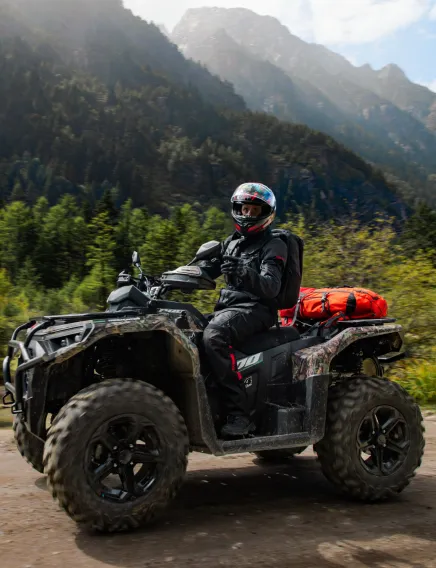
Trail riding demands more than raw power. It demands an ATV that can read the terrain, absorb the punishment, and keep you in control — whether you're carving through tight forest singletrack, crawling over rocky switchbacks, or pushing through a mud-soaked backwoods trail. The right ATV doesn't just survive the trail. It changes how you experience it.
Not all trails are equal, and the ATV you choose should reflect exactly where and how you ride.
What Separates a True Trail ATV from the Rest
Before choosing any ATV for trail riding, three factors matter more than anything else: suspension travel, ground clearance, and drivetrain confidence.
Suspension travel determines how well the machine absorbs trail obstacles without transmitting shock to the rider. More travel means more compliance over roots, rocks, and uneven ground — and less fatigue over long rides. Look for front and rear double A-arm geometry, which provides independent wheel movement and maintains tire contact with the ground on broken terrain.
Ground clearance decides which obstacles you clear versus which ones stop your ride. Forest hardpack trails may demand 11 inches of clearance. Technical rocky terrain pushes that to 12 inches. Wet terrain and deep ruts require every fraction of clearance available. The right number depends on where your trails actually go.
Drivetrain confidence — specifically a selectable 2WD/4WD system with front differential lock — is what separates a trail machine from a trail liability. The ability to lock front drive on demand gives riders traction control that no tire upgrade can replicate on loose, slick, or wet surfaces.
Delivery is just as important as power. An all-terrain vehicle used for trail riding must be capable of providing sufficient torque at low speeds and partial throttle, which are defining features of technical trail segments. Electronic fuel injection systems guarantee steady performance in all weather conditions and regardless of elevation.
Matching the Right Model to Your Trail
Different trails demand different hardware. The following explains how to select the right SWM ATV to match your terrain.
Trail Condition | Recommended Model | Why It Fits |
Forest & maintained hardpack | Optimized for agility, comfort, and efficient trail riding on smoother terrain. | |
Rocky & mixed-surface terrain | Advanced suspension and larger tires provide better control over rocks and uneven surfaces. | |
Technical climbs & all-day backcountry | Balances power, comfort, and efficiency for long-distance technical adventures. | |
Mud, water & extreme wet conditions | High torque, superior traction, and recovery capability for extreme conditions. |
Trail Terrain Breakdown: What Each Surface Requires
Understanding your terrain is as important as understanding your ATV. Here's what each trail condition actually demands from the machine:
Forest & singletrack trails reward a narrow profile and predictable power delivery. Tight tree lines and rooted surfaces put a premium on suspension compliance and EPS-assisted steering control on uneven camber.
Rocky & mixed terrain demands ground clearance above all else. Articulation over embedded rocks requires suspension travel that keeps tires on the ground, not bouncing off obstacles. A mid-range winch provides recovery capability when lines get misjudged.
Technical backcountry & all-day riding is where gas shock absorbers earn their place over oil units. Sustained trail pressure over hours reveals damping consistency differences that aren't apparent on a short test ride. Storage capacity and ride comfort become as relevant as pure performance specs.
Mud and wet terrain is a separate category entirely. It requires purpose-built mud tires with aggressive self-cleaning tread, beadlock wheels to prevent de-beading under lateral load, and ideally a mud kit that protects critical mechanical components from saturated soil ingestion.
Trail Accessories That Extend Every Ride
The right ATV provides the platform. Accessories transform it into a purpose-specific trail machine.
Tires are the highest-impact upgrade on any ATV. All-terrain tires suit hardpack and mixed conditions. Dedicated mud tires change the dynamic entirely on wet or soft ground. Match tire selection to your most demanding regular terrain, not your average terrain.
Winch systems are not optional on serious trail builds. A quality winch recovers the machine from obstacles, moves trail debris, and provides anchor capability on steep descents. Size the winch to at least 1.5x the vehicle's weight.
Protection packages — skid plates, handguards, fender guards, and brush guards — are not cosmetic. Trail vegetation, rock strikes, and debris contact happen on every serious ride. Factory protection options are engineered to the specific geometry of each model; aftermarket solutions often compromise ground clearance or ride characteristics.
Lighting upgrades extend the practical riding window into early mornings and late evenings — particularly relevant for multi-day trail expeditions or pre-dawn access rides.
Cargo and storage solutions matter on longer trails. Front and rear rack capacity, under-seat storage, and purpose-built cargo bags reduce the load-bearing compromise between riding performance and gear capacity.
The Right Trail ATV Starts With the Right Configuration
Trail riding is not a single activity. A 10-mile forest loop, a technical mountain descent, and a mud-season backcountry push each demand different hardware. Choosing an ATV that matches your actual terrain — not a generalized off-road category — is the single most important purchasing decision a trail rider makes.
The models above each represent a specific answer to a specific trail challenge. Identify your terrain first. Match the machine second.
Explore the full lineup and find your nearest SWM POWERSPORTS dealer
Always wear appropriate safety gear when riding. Read and follow all operator manual guidelines. Ride within the limits of your skill level and applicable local regulations.
-
Sep 30 2026
learn more
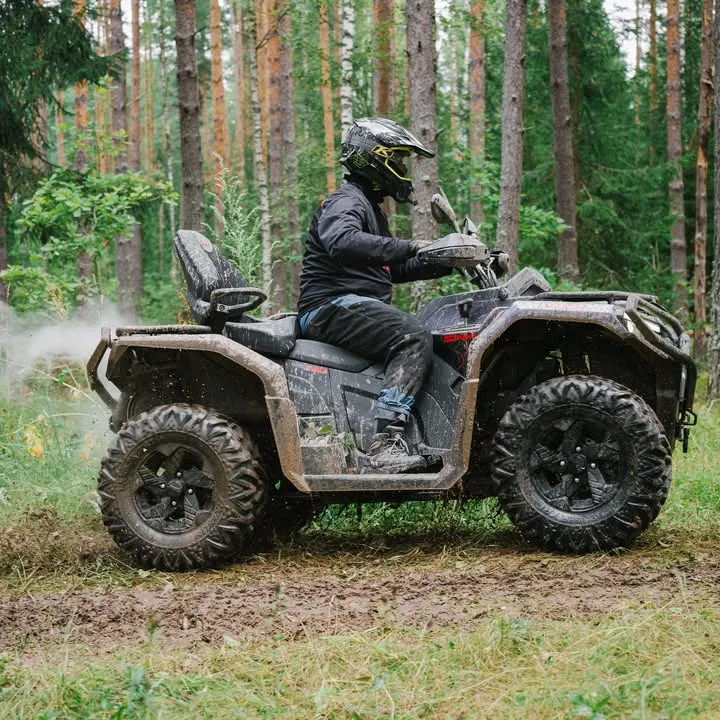 First Buying ATV 10 Thing Need to Know
First Buying ATV 10 Thing Need to Know
First Buying ATV 10 Thing Need to Know
-
Sep 28 2026
learn more
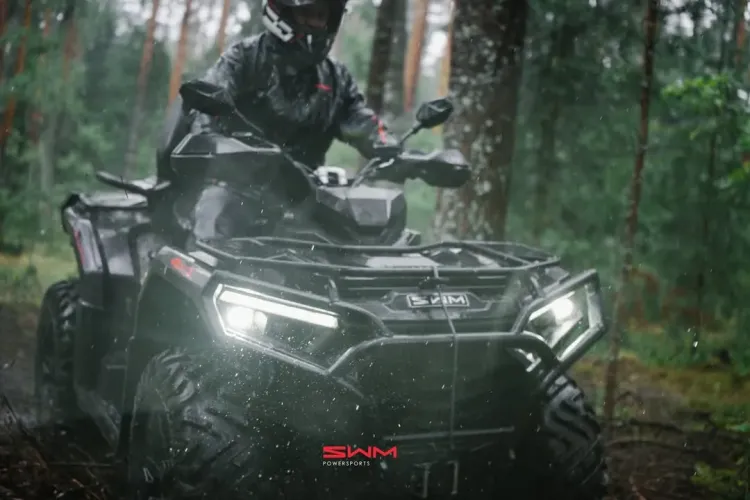 How to Prepare an ATV for Hunting Season
How to Prepare an ATV for Hunting Season
How to Prepare an ATV for Hunting Season
-
Sep 23 2026
learn more
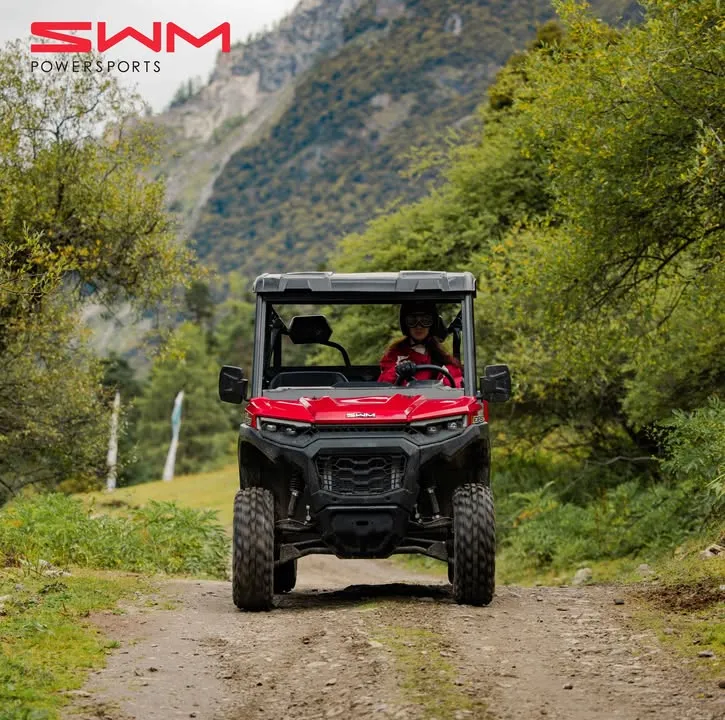 Best UTV Accessories for Hunting: Build the Right Hunting Setup
Best UTV Accessories for Hunting: Build the Right Hunting Setup
Best UTV Accessories for Hunting: Build the Right Hunting Setup
-
Sep 23 2026
learn more
 what is the best side by side utv for hunting?
what is the best side by side utv for hunting?
what is the best side by side utv for hunting?