ATV Beginner’s Guide: Start Your Off-Road Journey with the SWM Trailhunter 580
Aug 20 2026
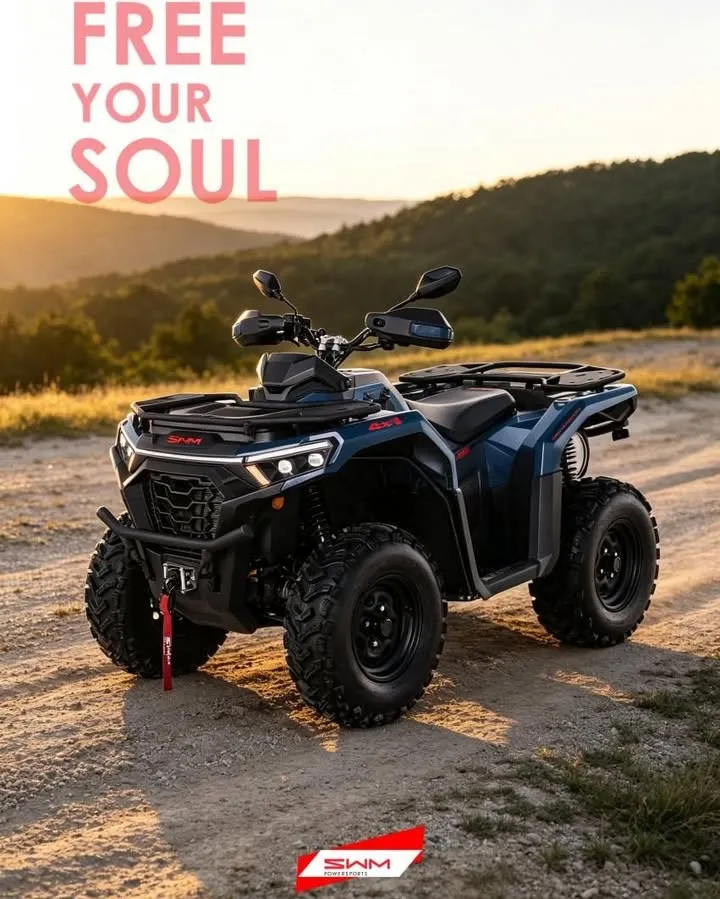
The first time you encounter an all-terrain vehicle (ATV), would you feel more excited or more nervous? Many people have such concerns: Will the power be too strong? Will it tip over when turning? How to control the center of gravity when going up or down slopes? Will choosing the wrong model cause frustration from the start?
For those who are just starting to get into all-terrain driving, a suitable ATV should not only focus on the engine displacement and power data, but also pay more attention to the vehicle's handling, passing ability, suspension performance, and adaptability to different terrains. For users who want to balance leisure off-road and practical scenarios, the SWM Trailhunter 580 provides a relatively complete entry-level solution.
Why Beginners Should Start with a Mid-Power ATV
Many beginners first zoom in on the flagship type of vehicles, the ones with bigger displacement, and a lot of high horsepower, only to realize later that the power response is too instant and the car feels heavier, which then makes it harder, like the learning curve goes up. An ideal entry level car should have these kinds of traits:
Smooth power delivery and high tolerance for error
Easy handling, easy to build confidence
Practical off-road capability, truly suitable for on-road (or mountain) use
Reasonable price and manageable maintenance costs.
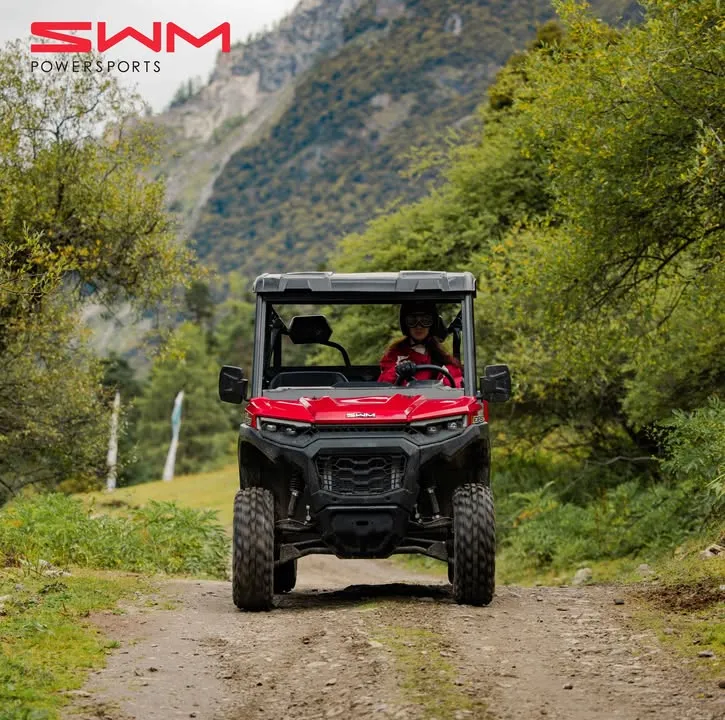
The SWM Trailhunter 580 is a mid-sized all-terrain vehicle built around these needs. It uses a 650cc single-cylinder engine with a power output ranging from 46 to 55 horsepower, providing a power that's neither too sluggish for beginners nor overly aggressive with just a touch of the accelerator. Optional 2WD/4WD switching with a front differential lock allows for easy handling on various terrains. Independent double wishbone suspension and good ground clearance ensure basic off-road capability, while its moderate size makes it easy to control.
Furthermore, the Trailhunter 580 is equipped with practical front and rear racks, towing capacity, and LED lighting, making it suitable for both weekend leisure riding and light farm or woodland work. For first-time ATV buyers, it strikes a perfect balance – "just enough, but not too difficult."
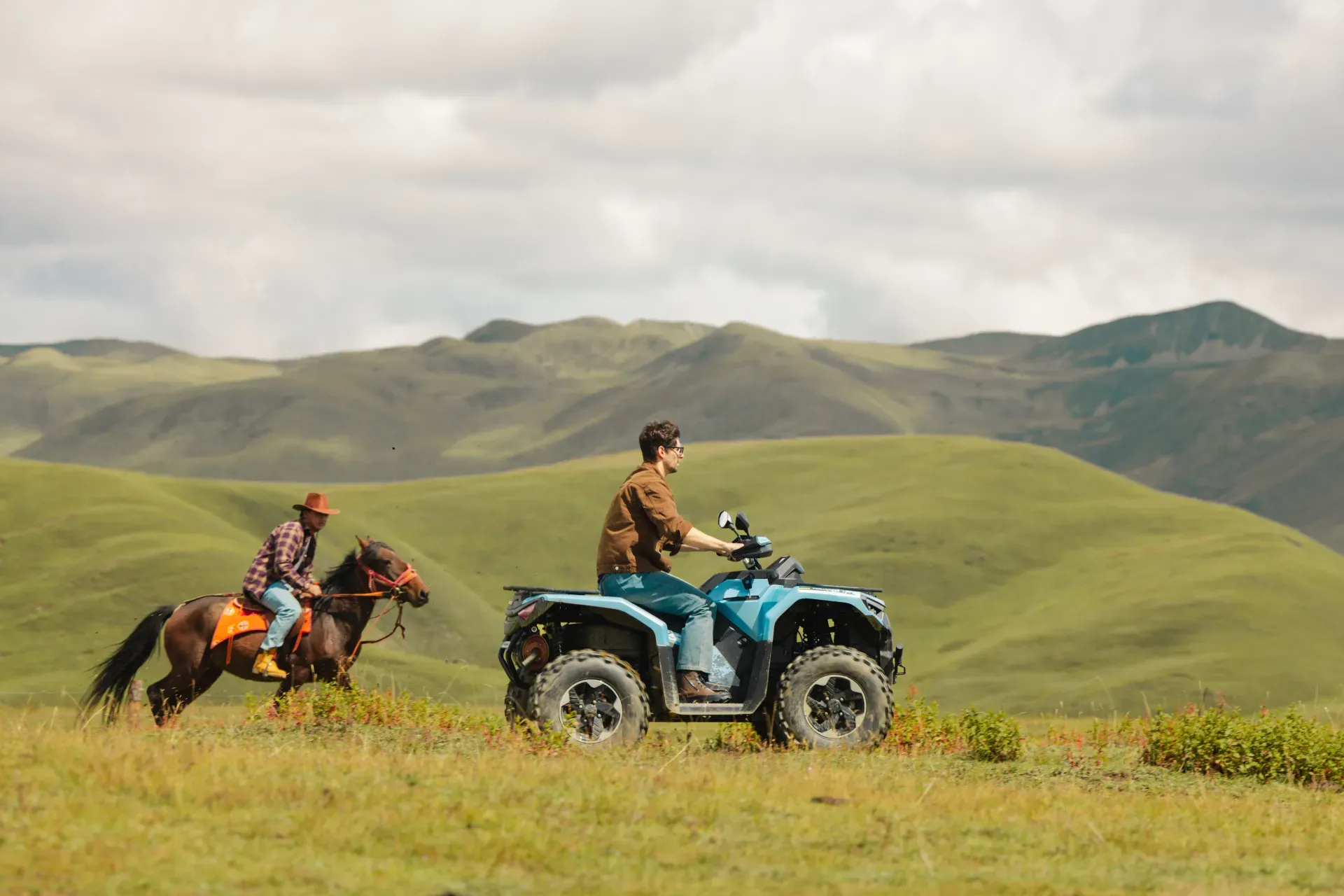
How Should a Beginner Drive an ATV?
Safety is always the top priority. Before you actually twist the throttle, please complete the following preparations:
1. Proper safety equipment
A full-face or off-road helmet with DOT or equivalent certification
Windproof goggles
Long-sleeved cycling jersey or jacket, long pants
Gloves and ankle boots
Don't ride without a helmet. This is the most basic principle.
2. Quick Pre-Ride Check (Simplified T-CLOC Version)
Tires: Is the tire pressure normal? Are there any punctures or embedded foreign objects?
Brakes: Do the front and rear brakes feel normal?
Lights and Switches: Are the headlights, taillights, and ignition switch working?
Fluids: Are the engine oil and coolant levels within the normal range?
Chassis: Are there any noticeably loose screws or abnormalities?
Developing this habit can avoid many embarrassing breakdowns on the road.
3. It is recommended to participate in formal safety training
There are ATV safety courses available in many regions. Even if it's just basic theory online combined with practical exercises, it can help you avoid unnecessary detours. At the same time, carefully read the vehicle manual to understand the specific operation methods of your vehicle.
Essential ATV Riding Skills for Beginners
Mastering the following techniques will help you build confidence faster:
Correct Posture and Body Weight Distribution
Sit in a natural, relaxed way: look ahead, loosen up your shoulders, and let your elbows extend a bit outwards. Keep your knees close to the fuel tank , and press your feet firmly onto the footpegs. When you turn, you kinda need to lean your torso inward on purpose, not only grip the handlebars and hope it works. While climbing uphill, slide forward a little to keep the front wheel traction steady. Going downhill, go back a bit instead, so you can use engine braking and keep your pace under control.
Smooth Throttle and Brake Control
Most ATVs use a thumb throttle. Practice by applying the throttle gently and steadily, avoiding sudden acceleration. Use both front and rear brakes in coordination, especially on soft surfaces, to avoid skidding due to sudden braking on one side.
Starting and Basic Handling
Make sure the vehicle is in neutral or parked. After starting, engage drive, brake easily, and accelerate smoothly. CVT models like the Trailhunter 580 are easier to operate and easier for beginners to learn. Practice straight driving, braking, and figure-eight maneuvers in an open, flat area first to familiarize yourself with the vehicle before venturing into light off-road terrain. When encountering simple obstacles such as rocks, ditches, or undulations, maintain a steady throttle and use body movement to adjust your center of gravity, allowing the tires to maintain traction as much as possible. Avoid blindly accelerating on unfamiliar terrain.
The practice principle is simple: start slowly and gradually increase speed; start on flat surfaces and gradually increase steepness; start with easy tasks and gradually increase difficulty. Making small improvements each time is more important than rushing.
Common Mistakes for Beginners, Avoiding Traps in Advance
Do not ride on public motorways (unless expressly permitted by local law and for specific purposes only).
Don't drive drunk or tired.
Do not overload or add unauthorized accessories that affect control.
Don't go alone on remote, complicated roads without communication.
Children or teenagers must use a vehicle suitable for their age and size and ride under adult supervision.
Start Your All-Terrain Journey
The joy of off-road cycling is built on safety and a sense of control. Start with a vehicle like the SWM Trailhunter 580, which has a moderate power and user-friendly handling. This way, you can quickly find your rhythm and stay committed for a longer time.
Once you become familiar with the basic operations, you can gradually tackle more complex terrains, or consider upgrading to a larger-displacement model, which will become much more natural. The true thrill of off-road riding is not about pursuing extremes from the start, but about steadily and far-reachingly making your way through the terrain step by step.
-
Sep 30 2026
learn more
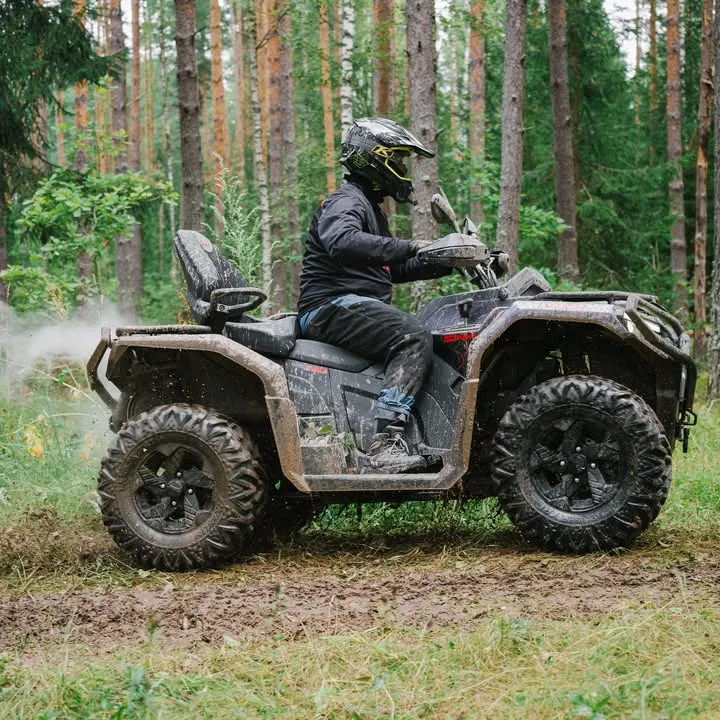 First Buying ATV 10 Thing Need to Know
First Buying ATV 10 Thing Need to Know
First Buying ATV 10 Thing Need to Know
-
Sep 28 2026
learn more
 How to Prepare an ATV for Hunting Season
How to Prepare an ATV for Hunting Season
How to Prepare an ATV for Hunting Season
-
Sep 23 2026
learn more
 Best UTV Accessories for Hunting: Build the Right Hunting Setup
Best UTV Accessories for Hunting: Build the Right Hunting Setup
Best UTV Accessories for Hunting: Build the Right Hunting Setup
-
Sep 23 2026
learn more
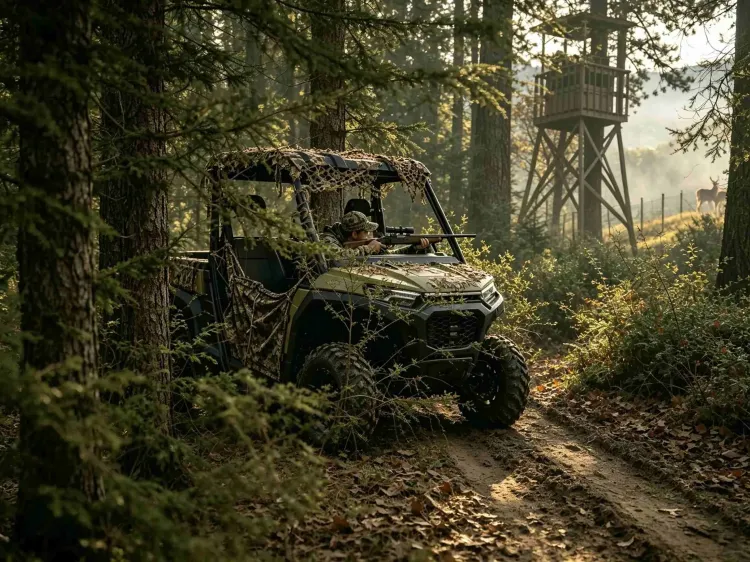 what is the best side by side utv for hunting?
what is the best side by side utv for hunting?
what is the best side by side utv for hunting?