ATV Safety Tips: 9 Rules for a Safer Ride
Aug 18 2026
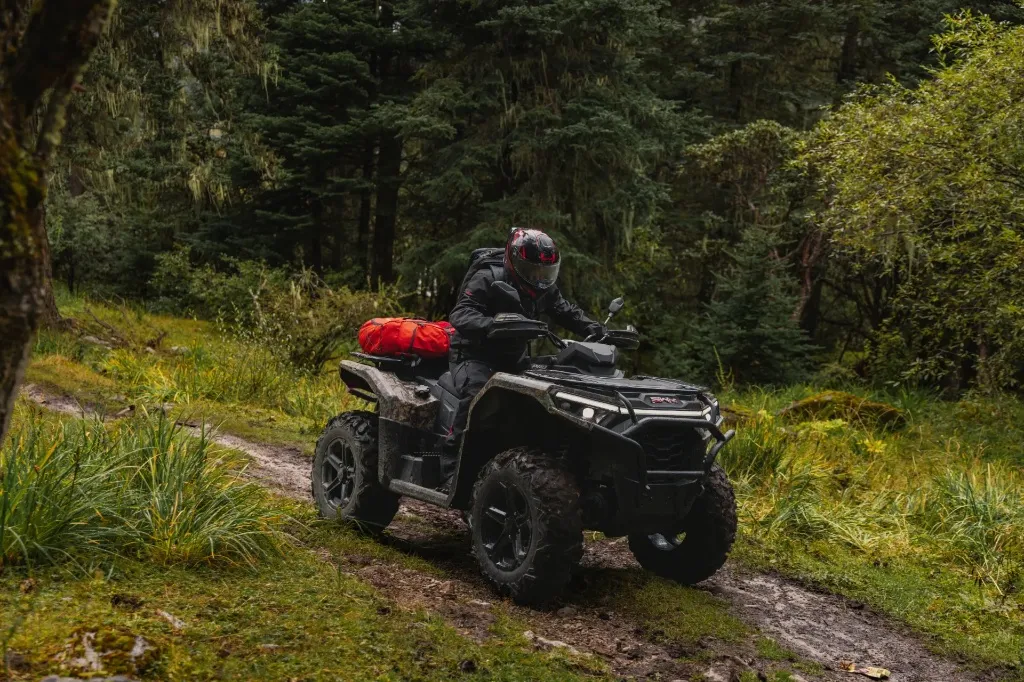
Getting your ATV safety tips right from the start makes all the difference. Riding is exciting, no question. But it also comes with real risks. Rollovers, injuries, mechanical breakdowns – they’re all possible if you skip the basics. Whether you’re on forest trails, working a farm, or exploring remote backcountry, staying safe depends on a handful of core habits. Pick a machine that actually fits you. Wear gear that does its job.
Give your ATV a quick once-over before you ride. And learn how your body weight affects handling on rough ground. These nine rules? They’re practical, not just theory. They cut your risk, and they give you more control when the trail gets tricky. Let’s go through them.
1. Choose the Right ATV and Get Proper Training
Rule one, and it’s a big one. Your ATV needs to fit you. Your age, your size, your strength, and your experience. Hand a powerful adult machine to a teenager or someone who’s never ridden before?
That’s a bad idea. On a steep hill or a tight turn, they just won’t have the skills to keep it upright. Young riders should stick with Youth models. Those are built for their age, weight, and ability. And always follow your local age rules and the manufacturer’s advice. If you’re new to this, get some training.
Take a certified ATV safety course. You’ll learn how to brake, turn, climb, descend, and shift your weight properly. One more thing. Before you fire up the engine, read the Owner’s Manual. It’s only a few minutes. It tells you where the warning labels are, what tire pressure to run, and where the emergency kill switch is. Small effort, big payoff.
2. Wear Proper ATV Safety Gear
Good gear isn’t something you skip. It’s your first line of defense. Against scrapes, impacts, and twisted joints. Out on the trail, don’t cut corners. Here’s what you should have:
DOT-Compliant Helmet – full-face, meets U.S. DOT standards. That’s for your head, plain and simple.
Goggles / Eye Protection – impact-resistant. They keep mud, stones, branches, and dust out of your eyes. You need to see clearly.
Gloves – padded ones. They improve your grip, reduce hand fatigue, and protect your knuckles.
Long Sleeves and Abrasion-Resistant Pants – tough fabric. Blocks brush scratches and guards against hot exhaust pipes.
Over-the-Ankle Boots – high-top leather. They secure your feet and give your ankles lateral support.
Knee and Elbow Guards – not required, but a good idea. Especially in rocky or wooded terrain. They add extra cushion for those joints.
3. Inspect Your ATV Before Every Ride
Make this a habit. A quick check before you ride can save you from being stuck miles from nowhere with a broken part. It takes maybe five minutes. That’s a lot safer than dealing with a breakdown on a remote trail. So, before you turn the key, run through the standard ATV Inspection Checklist. Look at these items:
Tire pressure and condition – check all four with a gauge.
Front and rear brakes – test them. They should engage firmly and feel normal.
Throttle (thumb throttle) – it should move smoothly and snap back to idle without sticking.
Handlebars – turn left and right. Any looseness? Strange noises?
Lights and kill switch – headlights, taillights, and the red Kill Switch should all work.
Underneath – look for any oil or fluid leaks.
Do this every ride. It becomes routine, and it gives you peace of mind.
4. Follow Trail, Road, and Speed Rules
Stay on designated routes. Keep your speed reasonable. That directly lowers your chance of hitting obstacles, wildlife, or other riders. What’s a “safe” speed? One that matches your skill level and what the local laws allow.
Always ride on approved off-road trails where ATVs are permitted. Know the land-use rules for your area. And remember – ATVs are built for off-road use. Many places restrict or ban them on public paved roads. If you need to cross or enter a road, check the local rules first. Don’t assume.
On the trail, leave a good gap between you and the rider ahead. That gives you time to react to sudden stops, rocks, dust, or changing terrain. In rain or fog, slow down. Uphill riders should give way to downhill traffic. And please, never ride under alcohol or drugs. That’s just common sense.
5. Use Safe Riding Techniques on Hills and Turns
Riding Uphill and Downhill
Think of your body as moving ballast. Going uphill? Lean forward. Bring your chest close to the handlebars. Use a low gear and keep the throttle steady. That keeps the front wheels gripping. Going downhill? Lean back. Select a low gear and let engine braking do most of the speed control. Then apply the brakes smoothly – exactly as your manual says – to avoid locking up and sliding sideways.
Turning and Crossing Side Hills
Cornering an ATV isn’t like steering a car. You have to lean your upper body into the turn. Slow down before you enter the corner. Then tilt your torso and weight toward the inside of the curve.
Keep it smooth – don’t go in too fast. Now, when you’re crossing a sidehill (a slope), you lean uphill – toward the high side – at all times. If the ATV starts to slide or lift a wheel, don’t grab the brake hard. Don’t stomp the gas either. Follow your training and the manual’s recovery steps.
6. Ride Safely on Mud, Water, and Rough Terrain
Mud, water, and rocky ground all need a gentle, controlled throttle. And your eyes need to be scanning ahead. When you hit deep mud or soft dirt, engage the right drive mode – 2WD, 4WD, or Differential Lock – as your manual recommends. Keep the power steady. Never ride into unknown water crossings.
If you have to cross a permitted section, first check the depth, current, entry and exit points, and your ATV’s maximum wading depth. Both feet stay on the footrests – always. On rock gardens or rough sections, slow right down. You need to react to each obstacle. At night, reduce your speed even more. Your headlights only reach so far, so don’t outrun your beam.
7. Carry Passengers and Cargo Safely
Overloading racks or squeezing a passenger onto a solo ATV? That messes up weight distribution and raises the center of gravity. Makes hills and corners much more dangerous. Single-rider ATVs are built for one person only. Adding a second rider on the seat reduces front-wheel steering traction and increases the risk of tipping backward. Here’s a quick summary:
Scenario | Safer Approach |
Passenger Capacity | Never carry a passenger on a solo ATV. Only on models factory-designed with a passenger seat and rated for it. |
Cargo Weight Limit | Stick to the manufacturer’s front and rear rack weight limits. |
Load Balance | Keep cargo low, centered, and strapped tight with ratchet straps. |
Towing Operations | Follow the ATV’s rated towing capacity and manual instructions. Use low gear, allow extra stopping distance. |
Loading / Unloading | Secure loading ramps properly – follow ramp and ATV manufacturer guidelines before driving on or off. |
8. Plan Your Ride and Prepare for Emergencies
A bit of planning goes a long way. Especially when you’re miles from help and the weather turns, or you lose your bearings. Before you head out, check the local weather forecast and trail status. Plot your route with GPS. And leave a copy of your itinerary – destination and expected return time – with a friend or family member. That’s your backup.
Now, pack emergency supplies. Things that can get you through an unexpected delay or a breakdown. Tuck these into your storage box:
First-aid kit and plenty of drinking water
Flashlight and multi-tool
Tire repair kit and tow strap
Emergency signaling device (whistle, mirror, or beacon)
And if you have smart off-road tech – like SWM’s Route Planning, GPS Positioning, Geo-Fencing, and Driving Safety Alerts – use them. They help you map, track, and stay aware of boundary or safety warnings.
9. Know What to Do After an ATV Accident
Accidents can happen. Knowing what to do afterwards can prevent secondary injuries and get help to you faster. If you roll over or hit something, follow these steps:
Ensure the Area Is Safe – Check for ongoing traffic, fire, or moving vehicles before you attend to yourself or others. And never, ever try to move someone who might have a spinal injury – wait for the pros.
Move Away from Danger – If the scene is still risky (like exposed wires or a steep drop), move to a safer spot – but only if you can do so without causing more harm.
Call for Emergency Help – Use your phone or satellite device, and give them your exact GPS coordinates.
Do Not Ride a Damaged ATV – After a serious crash, don’t just hop back on. Carefully inspect the brakes, steering linkage, tires, and suspension arms for cracks or bends before you ride again.
Final ATV Safety Tips for Every Ride
Here’s the bottom line. The most effective ATV safety tips are the ones you actually follow – every single ride. That means choosing a machine that fits your skill level. Wearing all your protective gear. Doing that quick pre-ride inspection. Keeping your speed in check on blind corners and rough patches. Respecting the environment. And being ready for changing conditions.
And here’s something to keep in mind. Safe riding doesn’t take the fun out of it. In fact, good habits let you enjoy the thrill with a lot less worry. Take the SWM TRAILHUNTER series, for example. It comes with useful technology – Tri-Mode EPS, selectable 2WD/4WD with front differential lock, engine braking, and active descent control. These features make handling smoother, sure. But they’re not a substitute for training, inspections, protective gear, or plain common sense. Ride smart, ride prepared, and the trails will stay a rewarding experience.
-
Sep 30 2026
learn more
 First Buying ATV 10 Thing Need to Know
First Buying ATV 10 Thing Need to Know
First Buying ATV 10 Thing Need to Know
-
Sep 28 2026
learn more
 How to Prepare an ATV for Hunting Season
How to Prepare an ATV for Hunting Season
How to Prepare an ATV for Hunting Season
-
Sep 23 2026
learn more
 Best UTV Accessories for Hunting: Build the Right Hunting Setup
Best UTV Accessories for Hunting: Build the Right Hunting Setup
Best UTV Accessories for Hunting: Build the Right Hunting Setup
-
Sep 23 2026
learn more
 what is the best side by side utv for hunting?
what is the best side by side utv for hunting?
what is the best side by side utv for hunting?