Do You Need Insurance for an ATV or UTV?
Jul 10 2026
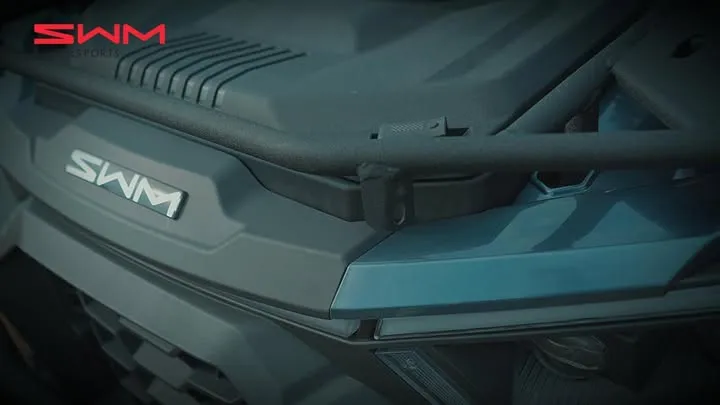
Insurance requirements depend on several factors, including where you ride, how you use your vehicle, and the regulations in your country or state. Even if insurance isn't legally required, it can provide valuable financial protection against accidents, theft, and unexpected damage.
This guide explains everything buyers should know before purchasing an ATV or Side-by-Side.
Why ATV and UTV Insurance Matters
Today, ATVs and side by side off-road motorcycles are not just something you use for fun, but they are also pretty common for agriculture, animal husbandry, hunting, forestry, site maintenance, construction work, and even outdoor tourism. These vehicles often work in complicated road conditions, which makes them more likely to end up with rollovers , collisions, theft, and other damage. Insurance can cover repair expenses and also compensation for injuries, plus property damage. Seasoned riders, in turn, tend to know how strange and unpredictable off-road conditions can get, so buying vehicle insurance is the most responsible approach.
Is ATV or UTV Insurance Required?
There is no universal law that applies worldwide.
Each country—and in some cases each state or province—sets its own rules regarding ATV and UTV insurance.
The most common factors include:
l Whether the vehicle is used on public roads
l Whether it is registered
l Whether it is financed
l Whether it is used commercially
l Where it is operated
United States
The United States does not have a nationwide ATV or UTV insurance law.
Instead, every state establishes its own regulations.
Generally speaking:
Insurance is commonly required when:
l A street-legal UTV is operated on public roads
l State registration requires proof of insurance
l The vehicle is financed through a lender
l Commercial operations require liability coverage
Insurance may not be legally required when:
l Riding exclusively on private property
l Using an ATV on your own farm or ranch
l Operating only on designated off-road trails where insurance is not mandatory
Because regulations vary significantly, owners should always check their state's Department of Motor Vehicles (DMV) or transportation authority before operating their vehicle.
Canada
Canada follows a provincial insurance system.
Many provinces require insurance when an ATV or Side-by-Side is operated on:
l Public roads
l Crown land
l Provincial trail systems
l Public recreational areas
Requirements differ between provinces, particularly regarding liability coverage and vehicle registration.
For recreational riders, insurance is often strongly recommended even when it is not legally mandatory.
Europe
Across Europe, insurance requirements are generally tied to vehicle registration and road use.
Many countries require third-party liability insurance whenever a vehicle is approved for public road operation.
Road-legal Side-by-Sides often require:
l Registration
l Vehicle approval (homologation)
l License plates
l Mandatory liability insurance
Requirements vary among countries such as Germany, France, Italy, Spain, and other EU member states.
If a vehicle is intended only for private land or off-road use, different rules may apply.
Russia
Russia has a unique regulatory system for ATVs and UTVs.
Many models are classified as self-propelled machines rather than conventional passenger vehicles.
Whether insurance is required depends on:
l Vehicle classification
l Registration status
l Intended use
l Whether the vehicle operates on public roads
If registration for public-road use requires compulsory motor liability insurance, owners must obtain OSAGO (Compulsory Motor Third-Party Liability Insurance) before completing registration.
Vehicles used exclusively on private farms, forests, or off-road areas may be subject to different requirements depending on local regulations.
Commercial operators—including farms, forestry companies, mining operations, and industrial facilities—often purchase additional insurance beyond the legal minimum to protect equipment and business operations.
What Does ATV/UTV Insurance Typically Cover?
l Liability — Protects you if you injure someone or damage property (most important).
l Collision — Covers damage from crashes or rollovers.
l Comprehensive — Theft, fire, vandalism, weather damage.
l Medical Payments / Personal Accident — Covers rider and passenger injuries.
l Accessories — Winches, bumpers, larger tires, and other upgrades common on models like the Trailhunter 1000.
Why Insurance Is Worth It Even If Not Mandatory
l Accidents can happen quickly on trails — medical and legal costs add up fast.
l Theft of ATVs/UTVs is common worldwide.
l Financing companies almost always require full coverage.
l Access to premium trails and events often demands proof of insurance.
Frequently Asked Questions
Can I ride on private property without insurance?
In many areas, yes. However, insurance is still recommended to protect against theft, accidents, and property damage.
Does financing an ATV or UTV require insurance?
In most cases, lenders require comprehensive and collision coverage until the loan has been repaid.
Does insurance cover aftermarket accessories?
Many policies offer optional accessory coverage, but owners should confirm coverage limits before purchasing.
Tips for SWM Owners:
l Inform your insurer about any modifications (larger tires, winch, etc.).
l Review your policy annually.
l Ask your local SWM dealer — many have partnerships with insurers for special rates.
Ride safe, ride prepared. Insurance is one of the smartest ways to protect your adventure.
-
Oct 08 2026
learn more
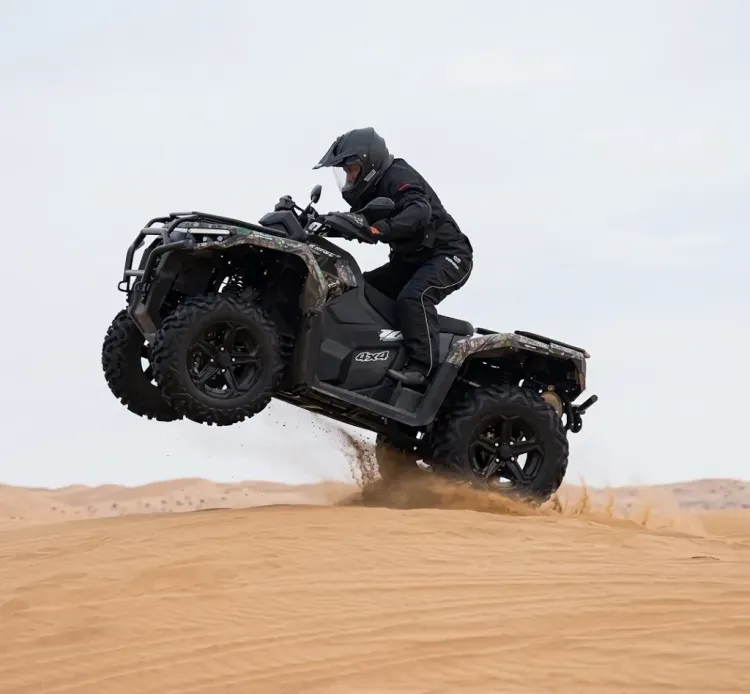 ATV Engine Knocking Noise: Causes and What to Check
ATV Engine Knocking Noise: Causes and What to Check
ATV Engine Knocking Noise: Causes and What to Check
-
Oct 08 2026
learn more
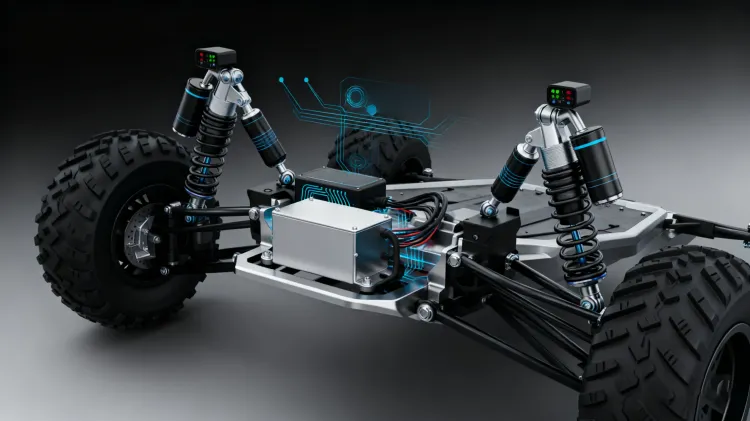 Is Electronic Suspension Worth It for ATVs & UTVs?
Is Electronic Suspension Worth It for ATVs & UTVs?
Is Electronic Suspension Worth It for ATVs & UTVs?
-
Oct 07 2026
learn more
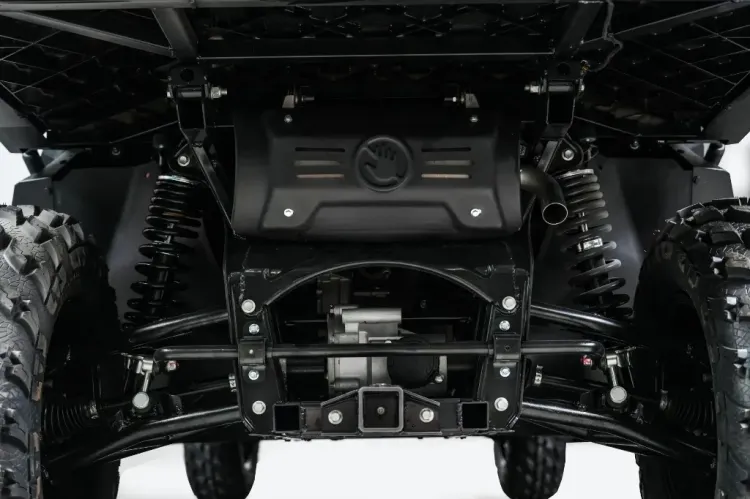 UTV Suspension: Types, Travel, and How It Works
UTV Suspension: Types, Travel, and How It Works
UTV Suspension: Types, Travel, and How It Works
-
Sep 30 2026
learn more
 First Buying ATV 10 Thing Need to Know
First Buying ATV 10 Thing Need to Know
First Buying ATV 10 Thing Need to Know