How to Clean a UTV: 7 Steps for Proper Care
Aug 12 2026

How to clean a UTV properly is important for protecting your vehicle after muddy trails, dusty roads, and heavy outdoor use.
Okay, real talk. You come back from a ride. Your UTV is caked. Like, unrecognizable. That thick, wet mud? It's not just dirty. It's holding water. Right against your metal. Against your seals. Your bearings. Your wiring. You leave that stuff on there, and it eats your machine. Slowly. Corrosion. Premature wear. It happens.
Think about what you do with your rig. Muddy trails? Farm chores? Hunting trips? Hauling heavy loads? Doesn't matter. Dirt gets everywhere. And I mean everywhere. Now, different machines have different weak spots – different types of UTVs lean toward fun, work, or brute force. So the little details change. But the big picture? Same for all of them.
Why Cleaning Your UTV Regularly Matters
1. Prevent Mud and Dirt Damage
Packed-on mud holds moisture against metal parts and speeds up wear on wheel bearings and seals.
Here's what happens. Wet mud dries hard. Like concrete. That hard shell traps moisture and grit right against your suspension, your brake rotors, your rubber boots. So you've got dampness plus sandpaper action. That combo chews through parts way faster than dry dust ever could. Bearings go. Seals leak. Don't let it sit.
2. Protect Engine Cooling Performance
A radiator clogged with mud can’t shed heat properly, which cuts cooling efficiency and raises the risk of overheating under heavy loads.
Your engine needs air. Lots of it. Through those thin aluminum radiator fins. Mud, grass, dust – they bake onto those fins. Block the airflow. Then your engine runs hotter. And hotter. On a steep climb or pulling a heavy load, that's when it gets ugly. Overheating. Warped heads. Expensive repairs. Clean fins = cool engine.
3. Extend the Service Life of Key UTV Components
Regular washing stops abrasive mud and grit from grinding down moving parts and damaging fragile electrical connections.
Every time you blast through a mud hole, fine sand sneaks into greased joints. Bushings. Suspension links. Electrical connectors. That grit acts like sandpaper. Grinds things down. Plus, moisture gets into your wiring. Corrosion follows. Flush that crap out. Often. It cuts friction and keeps your electrics happy.
Tools You Need Before Cleaning a UTV
Grab your stuff before you start. Saves time. Prevents headaches.
Garden hose / Pressure washer (optional): A regular hose with a spray nozzle does the job. If you use a pressure washer, go easy. Low pressure only. High pressure? It'll blast past rubber seals. Then you've got water where you don't want it.
Soft brush & Microfiber towels: A long-handled soft brush gets dried mud off without scratching plastic. Microfiber towels soak up water and stop spots.
Bucket & Mild vehicle cleaner: Use a neutral, car-grade soap. Cleans well. Won't hurt plastic, rubber, or your paint coating.
Air compressor: Get a portable one with a blow-gun attachment. Trust me. It's perfect for blowing water out of bolt holes, electrical plugs, tight engine spots.
Flashlight: A bright LED light. Shine it under the chassis. Behind skid plates. You'll find mud you didn't know existed.
Gloves and safety glasses: When you knock off dried mud from underneath, stuff flies. Protect your hands. Protect your eyes.
How to Clean a UTV Step by Step
Step 1: Remove Loose Dirt Before Washing
Park your UTV on level ground, let the engine cool completely, then knock off the big, dry chunks of mud.
One big rule. Never spray cold water on a hot engine. Or a hot exhaust. The shock – sudden temperature change – it stresses metal. And it doesn't even clean well. So, before you touch the hose, grab a plastic scraper. Or just your gloved hand. Knock off those thick mud clods. Why? Because if you wet them first, they turn into sludgy paste. That smears. And scratches your paint when you wipe.
Step 2: Rinse the UTV From Top to Bottom
Start rinsing from the upper areas, then work down to body panels, lower sections, and wheels. That way, loosened mud and water naturally flow downward.
Start at the top. Roof. Hood. Then move down – doors, side panels, edges of the chassis. Finish with the wheels and wheel wells. Why top down? Gravity helps. While you're washing the upper parts, the water runs down and softens the heavy mud below. Also, don't blast the undercarriage right away with high pressure. You'll just push muddy water into frame gaps. That's bad.
Step 3: Wash the Body, Exterior Panels, and Windshield
Dip your soft brush into the soapy bucket and work on the body panels with gentle, circular motions.
Go slow on the fenders, doors, and plastic trim. Rinse your brush often – like, every few swipes. Because if you drag sand back onto the surface, you'll leave fine scratches. Got a polycarbonate or acrylic windshield? Be extra careful. Never wipe it dry. First, rinse off loose grit with low-pressure water. Then use a damp microfiber cloth and gently pat it.
Step 4: Clean the Wheels and Suspension
Flush out the wheel wells, brake calipers, and suspension arms thoroughly to remove packed debris that restricts movement.
Mud loves hiding places. Inside A-arm pockets. Around shock absorbers. Behind the wheels. When you're cleaning near drive shafts, tie rods, and CV boots, be gentle. Rinse, don't scrub hard with a stiff brush. You want those rubber boots intact. And free of caked grime. Clean suspension and rotating parts? They give you smoother steering and better balance.
Step 5: Clean the Undercarriage
Direct water into the drain slots of your skid plates to flush out rocks and packed mud trapped inside the frame.
The undercarriage – most people ignore it. But it holds the most dirt. Skid plates are tough shields bolted underneath. They have little drain holes. Leaves and mud plug those holes all the time. Flush them out well. That reduces rust. And makes future UTV maintenance tips checks way easier – you can actually see what's happening down there. Also, knowing your overall dimensions helps with storage and working space.
Step 6: Clean the Interior and Seats
Wipe down the steering wheel, dashboard, and seats with a damp cloth, and avoid spraying water directly at electronic components.
Interiors are tough, yeah. But electronics? They're sensitive. Use a fresh bucket of water and a microfiber towel. Wipe dust and mud splashes off the dash, wheel, seats. Don't spray water at the gauge cluster, ignition, or wiring under the seat. And pop open the floor drain plugs – let the wash water run out.
Step 7: Dry and Inspect Your UTV
Use an air compressor or microfiber towels to get rid of trapped water in hidden spots, then do a quick visual inspection.
Water left in electrical connectors, spark plug wells, suspension pivots – that leads to rust. Blow compressed air into those tight gaps. Dries them fast. You might also spot wear or damage that wet mud was hiding. While you're drying the frame, take a few minutes. Check for loose bolts. Damaged tires. Cracks in suspension mounts. Any fluid leaks.
How Often Should You Clean a UTV?
It depends on where you ride and how hard you push. Here's a simple rule of thumb.
Riding Scenario / Environment | Recommended Cleaning Frequency |
Mud Riding | After every ride |
Dusty Trails | Every few rides |
Farm Work / Job Sites | Weekly or as needed |
Storage | Before storing |
Common UTV Cleaning Mistakes to Avoid
Using Too Much Water Pressure: Hold that pressure washer nozzle too close to bearings, plugs, or seals, and you'll force water past them. That ruins grease. Invites rust.
Cleaning a Hot Engine: Cold water on a hot engine or exhaust? Bad idea. Thermal shock stresses metal. And it doesn't clean well anyway.
Ignoring the Undercarriage: Washing only the shiny plastic while leaving mud packed under the skids. Adds weight. Traps moisture. Hides cracks you need to see.
Leaving Mud After Riding: Let wet mud dry into a hard shell, and it's a pain to remove. Plus, it sits there – corroding your metal all that time.
UTV Cleaning Checklist Before Your Next Ride
Once your UTV is dry, do this quick 2-minute check. Makes sure you didn't loosen anything during washing. And catches problems early.
Tire condition: Look at tread depth. Pull out any sharp rocks. Check pressure.
Suspension movement: Push down on bumpers. Shocks should move smoothly – no grinding, no sticking.
Brake response: Press the pedal. Should feel firm. No stones between pads and rotors.
Fluid leaks: Look at the ground underneath. Any new drops of oil, coolant, brake fluid? That's a warning.
Loose hardware: Double-check lug nuts, bumper bolts, hitch pins. Tighten them.
Wrapping It Up
Knowing how to clean a UTV the right way – it's not about looking pretty. It's about protecting your investment. Keeping your engine running cool. Making your machine last. When you take time to soften mud, rinse from the top down, and blow water out of every tight spot, you're saving expensive parts from wearing out too soon.
For riders and workers who tackle rough terrain every day, a solid machine plus smart maintenance – that's the combo for safe, reliable rides. SWM builds vehicles for exactly that. Trails, farms, fields – they've got you covered.
-
Aug 12 2026
learn more
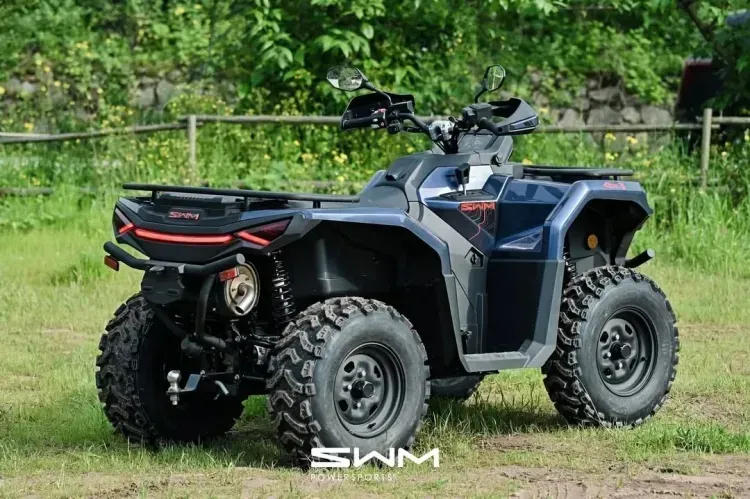 What is the Best ATV on the Market for Hunting?
What is the Best ATV on the Market for Hunting?
What is the Best ATV on the Market for Hunting?
-
Aug 12 2026
learn more
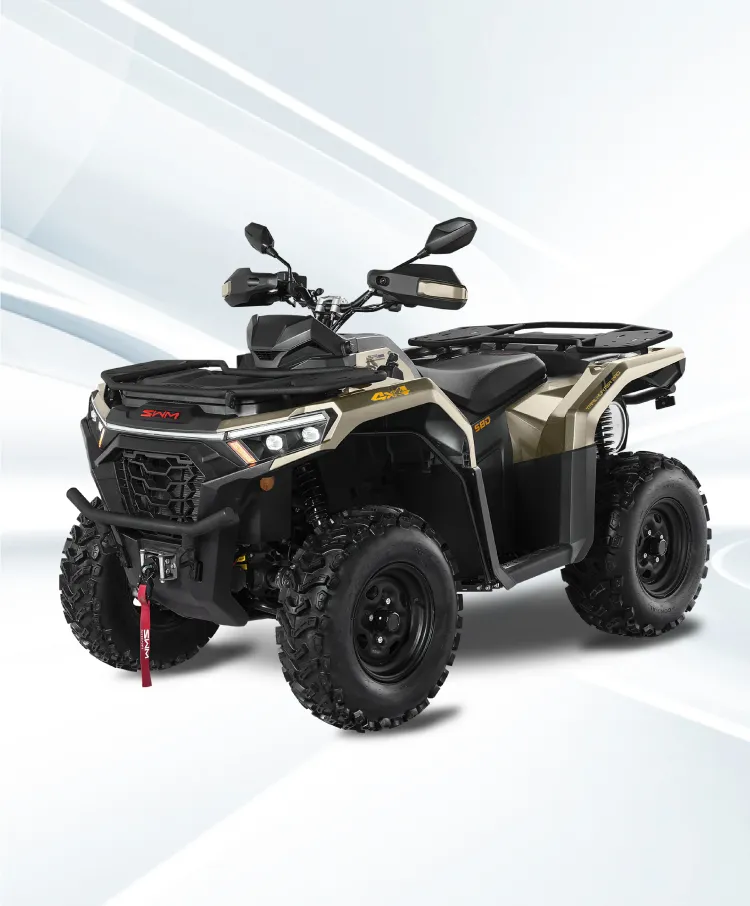 Are Quads and ATVs the same?
Are Quads and ATVs the same?
Are Quads and ATVs the same?
-
Aug 12 2026
learn more
 How to Clean a UTV: 7 Steps for Proper Care
How to Clean a UTV: 7 Steps for Proper Care
How to Clean a UTV: 7 Steps for Proper Care
-
Aug 11 2026
learn more
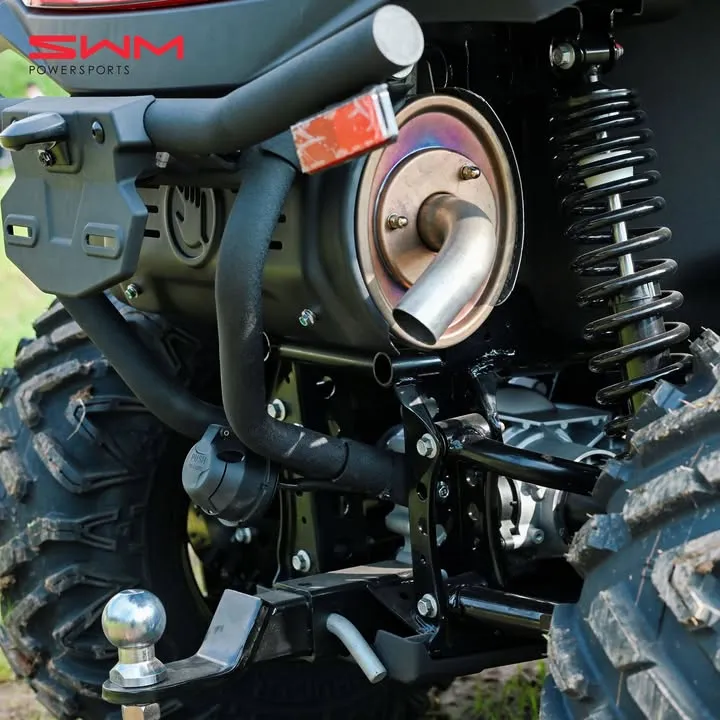 How to Change ATV Oil: Step-by-Step Guide for Beginners
How to Change ATV Oil: Step-by-Step Guide for Beginners
How to Change ATV Oil: Step-by-Step Guide for Beginners