10 Simple UTV Maintenance Tips to Keep Your Vehicle Running
Jun 25 2026
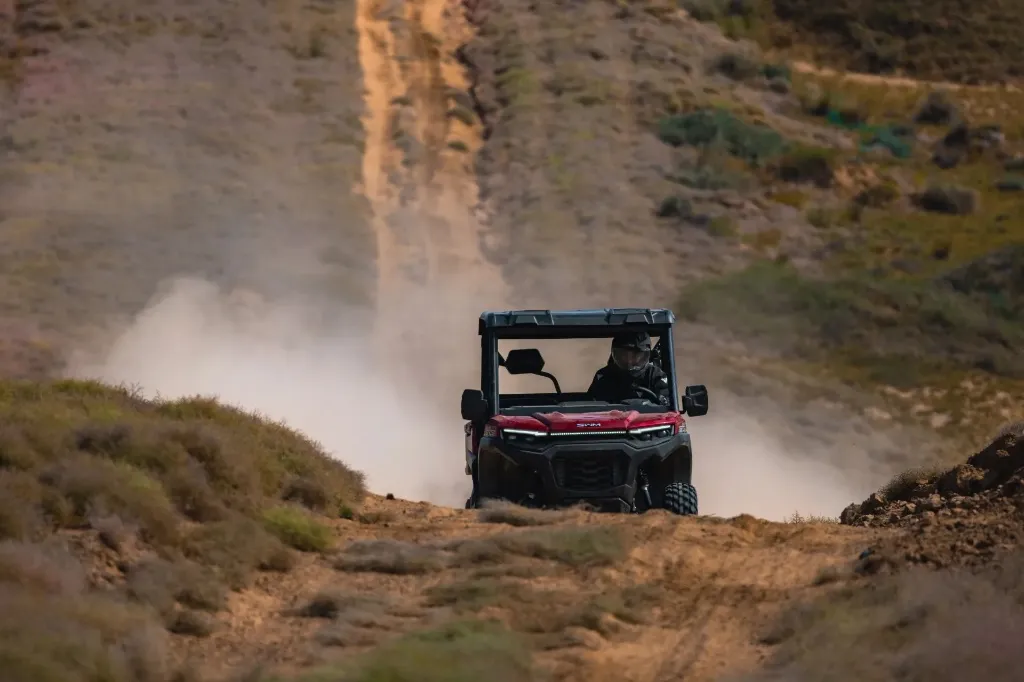
You spent some serious cash on that UTV. Maybe you use it for hauling feed, maybe for moving stuff around the job site, or maybe you just bought the thing to tear up muddy trails on weekends. However you use it, that machine earns its keep. It gets thrashed. And here is the thing: most people only start paying attention to UTV maintenance when the thing quits on them. Then it is a tow truck, a mechanic's estimate, and a whole lot of sticker shock.
But honestly? Most of the everyday stuff is dead simple. You can do it in your driveway with basic hand tools. No automotive engineering degree required. Honestly, you do not need to spend hours on this. A few minutes of basic care now and then, and your side‑by‑side stays in good shape. That means fewer trips to the dealer, and that means more money stays in your pocket. Alright, let's get into ten real‑world maintenance tasks that actually make a difference. Nothing fancy, just what actually matters.
10 Essential UTV Maintenance Tips
Tip 1: Check and Change the Engine Oil & Filter
Engine oil is what keeps everything inside your motor alive. And UTV engines work hard, high revs, heavy loads, all the time. That oil breaks down way faster than the stuff in your commuter car.
If you have got a brand new machine or just had the engine rebuilt, pay attention to the Break-in Period. That is the first 25 hours of running, when all the new internal parts are still getting used to each other. Now, during those first 25 hours, you will probably spot tiny metal shavings in the oil pan. That is totally normal, by the way. But it also means one thing for sure: you have got to change the oil and filter right at that 25-hour mark. No exceptions. After that, just aim for every 50 to 100 hours, depending on how hard you ride the machine.
Here is a quick habit to get into. Pull the dipstick every few rides. If that oil is black like soy sauce or smells burnt, do not think twice, just change it. And the filter too. Ten minutes and you are done.
Tip 2: Clean or Replace the Air Filter
Off-road riding? Dust is everywhere, no kidding. And once that air filter gets clogged up, your engine starts gasping for air. Fuel economy tanks, power fades, and it only goes downhill from there.
Now, most UTVs run a Foam Air Filter. Basically a sponge that traps dirt. You can wash it and reuse it, sure. But here is where a lot of folks mess up. After you wash it and let it dry completely, you have to spray it with air filter oil. No skipping that. That oil is sticky, kind of like flypaper, and it grabs the really fine dust that would otherwise sail right through.
If you put it back dry, sand gets sucked straight into the cylinders and scratches up the piston rings. And trust me, that repair bill is not going to be pretty.If you just put it back dry, sand gets pulled straight into the cylinders. It scratches up the piston rings, and then the repair bill is not going to be a few bucks. It is going to hurt.
Tip 3: Check the Drive Belt for Wear
Most UTVs use a CVT system, which basically means a heavy-duty belt transfers power from the engine to the wheels. And that belt is the weak point. It really is.
Think about that time you got buried in mud and just floored it to get out. You probably smelled rubber burning, right? Maybe you did not think much of it. Then a few rides later, that belt snaps in the middle of the bush. No power, no movement, just a long walk back.
So do yourself a favor. Pop the CVT cover off every once in a while. Squeeze the belt with your fingers and look for tiny cracks, frayed edges, or spots that look polished and narrower than the rest. And always, always carry a spare belt and the tools to swap it out. That is cheap insurance, trust me.
Tip 4: Grease the Suspension and Chassis
Rough trails shake everything loose. And if you never grease anything, your suspension will start squealing like a rusty gate. Annoying, yes. But also a sign that metal is wearing out faster than it should.
Get down on the ground and look at the control arms and drive shafts. You will see little metal nipples scattered around. Those are Zerk Fittings. They are there to accept grease from a gun.
Grab a manual grease gun loaded with lithium-based grease. Pump it into each fitting until you see fresh, clean grease oozing out around the joint, pushing the old dirty grease away. That tells you the cavity is full. Do this regularly and your chassis will stay quiet and happy.
Tip 5: Inspect Your Brake Pads and Fluid
Going fast is a blast, obviously. But stopping? That's not something you mess around with. Mud and water, they're like sandpaper on your pads, so those things wear out way faster than you'd guess.
So after you give the machine a wash, grab a flashlight and take a look through the wheel spokes at those pads. Check how much friction material is left. If it's down to about 2 millimeters, and that's roughly the thickness of a coin, then swap them out right then and there. No waiting around, no "I'll get to it later."
And hey, while you're poking around back there, take a look at the brake fluid reservoir. It's usually see‑through, so you can spot the color right away. If that fluid's turned dark brown, like old coffee, that means it's sucked moisture straight out of the air.
They call that hygroscopic behavior, fancy word, I know. But here is what it really means. Water gets into the brake lines. Then when things heat up, that water turns into vapor. And vapor, well, it gives you a soft, mushy pedal that barely slows you down at all. Flush it and put in fresh fluid. Your safety depends on it, literally.
Tip 6: Monitor Tire Pressure and Wheel Lug Nuts
UTV tire pressure is nothing like your car. Your daily driver runs 30 or 35 PSI, but off-road you want grip, not bounce. The sweet spot for trail riding is usually around 10 to 14 PSI.
Check it with a low-pressure gauge every time you head out. Too much air and the machine bounces over rocks like a basketball. Too little and you risk the tire peeling off the rim during a sharp turn, and that is a bad scene.
And those Lug Nuts? They take a beating from all that vibration. Get a torque wrench and check them periodically. You absolutely do not want to see a wheel rolling past you on the trail. Yes, that actually happens to people.
Tip 7: Clean the Radiator and Check Coolant
Heavy work means heat, lots of it. Your radiator is the only thing saving your engine from cooking itself. But after a muddy ride, the cooling fins get packed with dried dirt.
Now a lot of guys grab a pressure washer and blast the radiator straight on. Do not do that. Those Radiator Fins are thin aluminum strips, like the slats on a window blind. High-pressure water bends them flat, and then air cannot pass through. That section is useless.
Use a regular garden hose with low pressure instead. Spray from the back forward, or just gently rinse at an angle. Let the mud soften and wash away on its own. Be patient. Your radiator will thank you.
Tip 8: Inspect Spark Plugs and the Fuel System
Hard to start? Idles rough? Stalls for no reason? That is usually ignition or fuel related.
Pull the spark plug and look at the tip. A dry, reddish-brown color means everything is burning right. If you have got a thick black coating of carbon, the engine is running too rich and you need a new plug.
Now, if you are one of those folks who parks the UTV for the winter, listen up, this one matters. If the machine sits for more than 30 days, you really should pour some fuel stabilizer into the tank. Here is why. The gas you buy today, it has ethanol in it. And ethanol, well, it pulls moisture right out of the air over time. That causes the fuel to separate, turn all gummy, and before you know it, those expensive injectors get clogged up tight. A little stabilizer is cheap prevention.
Tip 9: Maintain the Battery Terminals
All that shaking is tough on your electrical system. The battery is usually under the seat, but the terminals can still work loose.
Ever had your UTV not start and you thought the battery was dead? Pop the seat and you will probably find white or blue-green powder on the terminals. That is corrosion, plain and simple.
So you see that crusty gunk on the terminals? Do not panic, it is really common. Mix some baking soda with a few drops of water to make a paste. Scrub the terminals with an old toothbrush until they are shiny. Then tighten the bolts back up, not too tight, just snug. Here is the key part: coat everything with Dielectric Grease. That silicone goo seals out moisture and air, so corrosion stays gone for years. Costs next to nothing and it flat out works.
Tip 10: Give It a Thorough Wash After Every Ride
I know, it is a utility vehicle, not a show truck. But washing is not about looks. It is about keeping the thing alive.
Mud stuck to the frame, axles, and skid plates acts like a wet sponge. It holds moisture against the metal and eats away at everything over time. Rust, failed bushings, contaminated bearings, all because you left the mud on there.
Here is what you do. After a muddy day, no matter how tired you are, put the machine up on stands and blast the underside with a garden hose. Get all that heavy crud off. Then take it for a short spin, just a few minutes, so the engine and exhaust heat dry out any leftover water. That one habit adds years to your UTV's life.
The Bottom Line
See? None of this is exactly rocket science. UTV maintenance, at the end of the day, it just boils down to a few things: regular checks, a little grease now and then, keeping your fluids clean, and some plain old common sense.
Before each ride, just take a couple minutes. Check the oil, check the coolant, check your tire pressure. That is it. Then every few dozen hours of run time, block off a few hours for a deeper clean and some proper lubing. Do that consistently, and honestly, that machine will keep going strong for decades. And you will not cry over mechanic bills.
This weekend, pick one thing off this list. Maybe change the oil. Maybe clean that air filter. Get your hands dirty and get to know your UTV. You have got this.
-
Jun 16 2026
learn more
 5 Main Different Types of UTVs: How to Pick the Best One for Your Needs
5 Main Different Types of UTVs: How to Pick the Best One for Your Needs
5 Main Different Types of UTVs: How to Pick the Best One for Your Needs
-
Jun 09 2026
learn more
 UTV Troubleshooting Guide: How to Troubleshoot Common Side by Side Problems
UTV Troubleshooting Guide: How to Troubleshoot Common Side by Side Problems
UTV Troubleshooting Guide: How to Troubleshoot Common Side by Side Problems
-
Jun 08 2026
learn more
 How to Maintain an ATV: The Ultimate Guide for High-Performance Reliability
How to Maintain an ATV: The Ultimate Guide for High-Performance Reliability
How to Maintain an ATV: The Ultimate Guide for High-Performance Reliability
-
Jun 04 2026
learn more
 How Fast Can an ATV Go? Engine Sizes and Speed Realities
How Fast Can an ATV Go? Engine Sizes and Speed Realities
How Fast Can an ATV Go? Engine Sizes and Speed Realities