UTV Water Crossing Tips: How to Cross Water Safely and Confidently
Jun 22 2026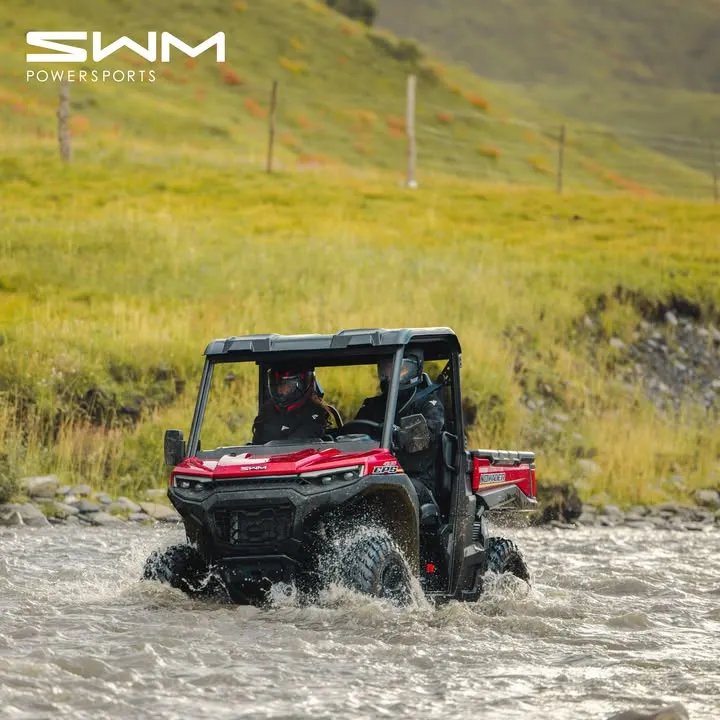
Crossing water in a UTV is one of those, seriously thrilling moments in off-roading… but it’s also one of the most unforgiving things if you’re not ready. Like, a single slip can turn into a hydrolocked motor, an electrical hiccup, or even a risky rollover, so yeah. Whether you’re working through a small creek or pushing into a deeper river crossing, it really comes down to using the right approach. Get that part wrong and you end up with a great trail story… and also an expensive recovery bill later.
In this guide, we'll cover everything you need to know: how to prep your UTV, what gear to bring, how to scout a crossing, proven driving techniques, and what to do after you're through.
Know Your UTV's Water Limits First
Before you ever approach a water crossing, you need to know your machine's rated fording depth. Most stock UTVs can handle water up to 12–18 inches deep — roughly axle height — without modification. Going deeper puts your air intake, electrical components, and differentials at serious risk.
Check your owner's manual for the exact specification. If you plan to tackle deeper crossings regularly, consider aftermarket upgrades that expand your safe operating range.
Pre-Ride Vehicle Preparation
Install a Snorkel Kit
The air intake is your engine's most vulnerable point in a water crossing. A snorkel kit relocates the intake higher — typically to the roll cage or cab roof — drastically reducing the risk of water ingestion. This is the single most impactful modification for serious water crossers.
Extend the Exhaust Outlet
Stock exhaust tips sit a bit low , and they can do some backflow when they get submerged. Adding an exhaust extension raises the outlet height so water does not get drawn back into the system when you cut the throttle mid crossing.
Seal and Protect Critical Components
Inspect differential and gearbox vent tubes and extend them above potential water levels. Apply dielectric grease to all electrical connectors. Check that your CVT or belt housing is properly sealed, and inspect any rubber gaskets or seals for cracking or wear before heading out.
Add Skid Plates
Rocky riverbeds and uneven terrain below the waterline can cause serious underbody damage. Quality skid plates protect your frame, oil pan, and drivetrain components.
Essential Gear to Bring
Even a perfectly prepped UTV can get stuck. Always carry:
· Tow strap and recovery points — for self-recovery or pulling out a buddy
· Portable water pump — to remove water from the cab or engine bay quickly
· Waterproof tool kit — basic tools, zip ties, duct tape
· Personal flotation device (PFD) — especially for fast-moving or deep water
· Waterproof helmet and boots — protect yourself, not just your machine
· Action camera — not just for the footage; useful for reviewing your line if something goes wrong
Never ride water crossings alone. Always go with at least one other vehicle and a spotter on shore.
Scouting the Crossing: Look Before You Leap
This is the most important step most riders skip. Always walk the crossing on foot before driving through it.
Here's what to assess:
· Water depth — Use a walking stick or your leg as a gauge. Anything above knee height deserves extra caution.
· Current speed — Fast-moving water exerts tremendous lateral force and can shift your UTV off line without warning.
· Bottom composition — Gravel and rock give solid traction; soft mud or sand can trap you instantly.
· Upstream and downstream hazards — Check for hidden drop-offs, submerged logs, large rocks, or debris.
· Entry and exit points — Identify a gradual, stable entry angle and a clear exit path on the other side. A good exit line matters as much as a good entry.
If the water looks murky or you can't see the bottom clearly, probe it before committing.
Water Crossing Driving Technique
Use Low-Range Four-Wheel Drive
Engage 4WD low before you enter the water — not during the crossing. Low range gives you maximum traction and torque control at low speed, which is exactly what you need.
Enter Slowly and Maintain a Steady Throttle
Speed is your foe when crossing bodies of water. Take off slowly and keep the throttle constant. Any sudden burst in speed will cause a bow wave which can splash water onto your engine's air intake. Decelerating too quickly will cause you to stall your engine.
Choose Your Angle Deliberately
In moving water, enter at a slight downstream angle rather than head-on. This reduces the lateral push of the current and keeps you better aligned with your exit point. In still water, a perpendicular crossing is typically the shortest and safest path.
Don't Stop in the Middle
Once you commit, keep moving. Stopping mid-crossing allows water to settle around your vehicle and increases the risk of getting stuck or allowing water to seep into sensitive areas.
Weight Distribution and Body Position
Keep your upper body low. If your UTV begins to tip or loses traction, shift weight toward the uphill side. Be ready to exit the vehicle quickly if it begins to overturn.
After the Crossing: Don't Skip These Steps
Getting through the water is only half the job. What you do immediately after matters just as much.
1. Test your brakes — Wet brakes lose significant stopping power. Drive slowly and apply the brakes repeatedly to generate heat and dry them out.
2. Check your air filter — Even with a snorkel, inspect the filter for moisture. A wet filter restricts airflow and can cause engine issues.
3. Drain your differentials — If water has intruded, you'll see a milky, cloudy fluid. Drain and replace with fresh fluid before your next ride.
4. Flush and lubricate — Rinse drive shafts, U-joints, and wheel bearings with clean water, then apply fresh grease. Failing to do this accelerates corrosion.
5. Inspect electrical connections — Look for water intrusion in connectors, fuse boxes, and sensor plugs. Apply dielectric grease where needed.
6. Check the CVT belt housing — Remove any trapped water to prevent belt slippage and premature wear.
Common Mistakes to Avoid
· Going too fast — Creates dangerous bow waves and reduces reaction time
· Skipping the walk-through — Hidden hazards can destroy your machine or put you at risk
· Riding solo — Always bring a spotter and recovery partner
· Ignoring the weather — Upstream rain can raise water levels rapidly; always check conditions before crossing
· Not knowing your depth limit — Pushing past your UTV's capability without the right mods is a gamble you'll likely lose
Final Thoughts
Water crossings are a highlight of UTV off-roading, but they demand respect. A well-prepped machine, the right gear, a thorough scout, and disciplined driving technique will keep you safe and your UTV running strong. Take it slow, trust the process, and save the speed for dry land.
Plan your next adventure knowing you have the knowledge to handle whatever the trail throws — or flows — your way.
-
Jun 22 2026
learn more
UTV Water Crossing Tips: How to Cross Water Safely and Confidently
UTV Water Crossing Tips: How to Cross Water Safely and Confidently
-
Jun 17 2026
learn more
 UTV Uses: 10 Practical Ways to Get More Out of Your Side-by-Side
UTV Uses: 10 Practical Ways to Get More Out of Your Side-by-Side
UTV Uses: 10 Practical Ways to Get More Out of Your Side-by-Side
-
Jun 16 2026
learn more
 5 Main Different Types of UTVs: How to Pick the Best One for Your Needs
5 Main Different Types of UTVs: How to Pick the Best One for Your Needs
5 Main Different Types of UTVs: How to Pick the Best One for Your Needs
-
Jun 12 2026
learn more
 What Makes an ATV Good Off-Road?
What Makes an ATV Good Off-Road?
What Makes an ATV Good Off-Road?