Why Are UTVs So Expensive? 10 Reasons Side-by-Sides Cost More
Jul 21 2026
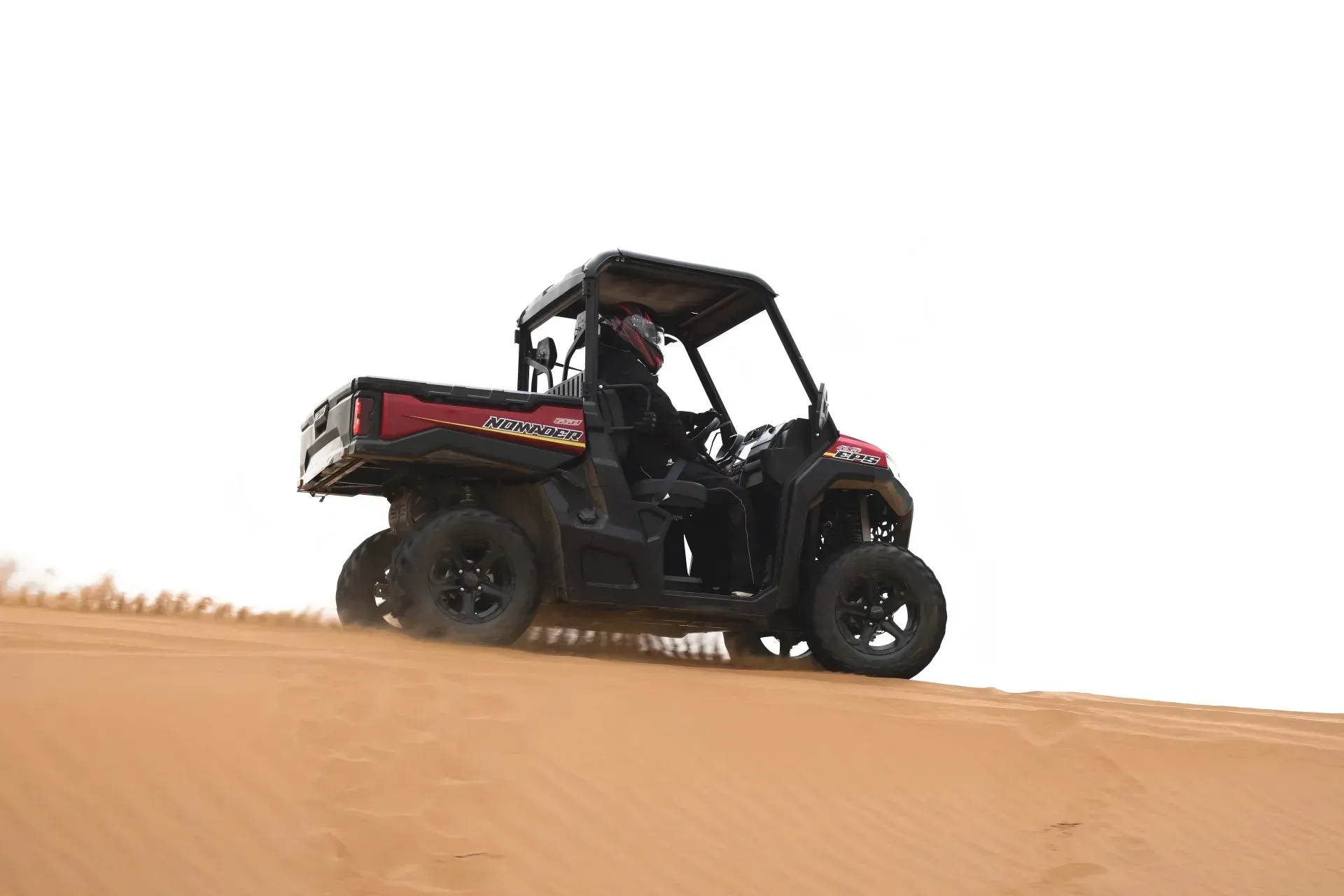
Now you are looking at side-by-sides, but their price tags make your eyes water. Fifteen grand, twenty grand... Sometimes even more! And you begin to ask yourself why are UTVs so expensive?
At first glance, UTVs may seem like more expensive versions of golf carts; yet their costs often surpass many used car prices. Modern UTVs have come a long way since their farm buggie predecessors; today they contain heavy-duty engineering components from automotive-grade suppliers as well as numerous safety features which require serious investment to create and build.
Let’s walk through it step by step. Here are the real reasons behind that hefty price, and I promise we will keep it down-to-earth.
Why Are UTVs So Expensive? 10 Reasons Behind The High Price
1. Larger And More Powerful Engines Increase UTV Costs
Under all that plastic bodywork lies an engine designed for power. Most modern UTVs feature twin-cylinder or even triple-cylinder motors equipped with turbochargers - not the single-cylinder engines seen on entry-level ATVs.
Why so big? Because UTVs must pull trailers, haul heavy loads, and climb steep rocky trails without difficulty--in extreme heat or cold or high altitude conditions. That requires precise electronic fuel injection systems with complex internal balancing capabilities as well as reliable cooling systems that deliver sufficient cooling systems for reliable performance.
Building such an engine costs real money. Tighter machining tolerances, more costly alloys and longer dyno testing all add up, with those costs making their way onto the final price tag.
2. Stronger Frames Require More Materials And Engineering
Underneath every UTV, chassis flex can be felt, which explains why its frame should not be made out of cheap tubing. Manufacturers rely on high-strength steel with special alloys in its construction to protect it against hard impacts and heavy loads without cracking under extreme bending or breaking forces.
The engineering behind that frame is no joke. Computer stress analysis, prototype testing, and careful weld design all go into it. Every joint has to survive forces that would snap a lighter frame in two.
Thicker steel, more complex fabrication, and precise robotic welding – these are not cheap. The frame alone eats up a big chunk of the manufacturing budget.
3. Advanced Suspension Systems Raise Manufacturing Costs
Ever watched a UTV blast across desert whoops at 50 mph without losing its cool? That is the suspension at work. Most side-by-sides now use independent double A-arm setups front and rear, with long-travel shocks that soak up hits like a sponge.
These shocks are not off-the-shelf parts; rather, they come equipped with large reservoirs, adjustable damping settings and custom tuning specific to each model. Their research and testing process is intense because these shocks must keep performing even after hours of hard riding.
All this research and production drives up prices; but would you really want to risk speeding over rocks at speed with cheap shocks? Likely not.
4. Safety Features Drive Up Production Expenses
Off-roading is a blast, but it comes with risks. Manufacturers have to meet safety standards in multiple countries, and that means building real protection into the machine.
That roll cage you see? It is not just for looks. It is a certified ROPS structure – Rollover Protective Structure – designed to keep the cabin intact if the vehicle flips. Along with that come multi-point seat belts, reinforced doors or nets, and sometimes side-impact beams.
Crash testing and crush testing are expensive. The steel for the cage is thicker and stronger. All of that adds cost, but it also adds peace of mind.
5. More Seats And Cargo Capacity Require Larger Designs
Four-seat and six-seat models are hugely popular now, because people want to bring friends or family along. But stretching the wheelbase and adding rows of seats is not just about bolting on extra chairs.
An extended chassis requires additional reinforcements in order to remain rigid, while its drivetrain must adapt to more weight. Drive shafts become thicker, axles become beefier and differentials upgraded as necessary - and transmission tuning becomes necessary as weight increases.
More metal, heavier components, longer assembly time – all of that drives up material and labor costs. And guess who pays for it? You do, but at least you get the extra space.
6. Automotive-Style Technology Makes Modern UTVs More Expensive
Step inside a modern side-by-side and you might think you are sitting in a car. You have electric power steering (EPS), digital displays showing speed, RPM, engine temp, and sometimes even GPS. Many models include electronic differential locks and selectable drive modes.
Here is the catch: all that electronics has to survive mud, dust, and water splashes. So the components come in heavy-duty sealed housings. The wiring harnesses are thicker and better protected. The control modules are complex.
That level of tech is expensive to source, assemble, and validate. It is not fluff – it actually makes driving easier and safer – but it comes at a price.
7. Premium Accessories Can Quickly Increase The Final Price
This is where many buyers get caught off guard. That base price you see online often does not include essentials like a roof, windshield, winch, or full doors. For most riders, these are not luxuries; they are must-haves.
A decent winch can set you back a few hundred bucks. A roof and windshield combo might run another thousand. Bumpers, skid plates, and LED lights add even more.
Whether you buy them pre-installed or add them at the dealer, the total adds up fast. Before you know it, you have tacked on several thousand dollars to the final out-the-door number.
8. Manufacturing And Testing Requirements Are More Complex
Imagine this: if your UTV breaks down while driving through unfamiliar terrain, it could spell disaster. That is why manufacturers put these machines through rigorous heat, cold and salt spray tests as well as miles-on-end of simulation before ever reaching a showroom.
Engine durability tests run for hundreds of hours at full throttle. Suspension components are cycled millions of times. Frames are twisted and shaken on rigs that replicate years of rough terrain.
All that research, development, and testing costs real money. The engineers, the facilities, the prototypes – they all have to be paid for. And that cost gets spread across every unit sold.
9. Dealer Networks And After-Sales Support Affect UTV Pricing
Buying the vehicle is just the first step. The brand behind it has to keep you running for years. That means a network of dealerships, stocked parts warehouses, trained technicians, and a warranty department that actually picks up the phone.
Building and maintaining that infrastructure is expensive. Logistics, training, inventory management – it all adds up.
Yes, a strong dealer network gives you peace of mind and helps with resale value. But you are paying for that convenience through the purchase price. It is part of the package.
10. UTVs Are Expensive Because They Offer Multiple Uses
Let’s be honest: part of why UTVs are expensive is simply because they are worth it to the people who buy them. Think about what one machine can do.
On a farm, it replaces a small tractor for light hauling. In the woods, it carries hunting gear and game. On the trails, it delivers pure adrenaline. It tows, hauls, seats passengers, and conquers terrain that would stop a pickup truck.
That versatility creates genuine economic value. Buyers are willing to pay a premium for a single vehicle that handles multiple jobs well. The market sets the price, and the market sees UTVs as high-value tools – not toys.
Why Are UTV Prices Increasing?
Now, on top of those ten reasons, there are some bigger trends pushing prices higher every year. Let’s break those down too.
Raw material costs have been all over the place. Steel, aluminum, and specialty plastics are not getting cheaper, and global supply chain issues have made things worse. Manufacturers have to pass those increases along.
Feature creep is real. Things that used to be optional – like power steering, digital displays, and premium shocks – are now expected as standard. That raises the base price across the board.
High-performance models are selling like hotcakes. More buyers want turbo engines and race-inspired suspension, and those premium machines cost more to build. As they account for a larger slice of total sales, the average price goes up.
Electronics content keeps growing. Sensors, displays, and control modules are everywhere, and they need waterproof housings and robust connectors. The bill for electronics climbs with every new generation.
Production volumes are small compared to passenger cars. UTVs sell in the hundreds of thousands, not millions. That means the fixed costs of tooling and development get spread over fewer units, so each one carries a heavier share of the overhead.
How UTVs Changed From Simple Work Vehicles To High-Tech Machines
To really understand the pricing, it helps to look back. Compare an old-school utility UTV with a modern side-by-side, and the differences are night and day.
Feature | Older UTVs | Modern UTVs |
Engine | Small single-cylinder, modest power | High-output twin or triple, built for durability |
Suspension | Basic, short travel, rough ride | Long-travel independent with premium damping |
Safety | Simple roll bar and lap belts | Certified ROPS cage, multi-point harnesses, reinforced doors |
Technology | Pure mechanical, analog gauges | EPS, digital displays, integrated electronic controls |
Every one of those upgrades costs money. But they also deliver performance, comfort, and safety that earlier owners could only dream about.
Why Are Side-by-Sides More Expensive Than ATVs?
This is a common question, and the answer is straightforward: it comes down to engineering and materials.
An ATV uses a straddle-style chassis. It is narrow, lightweight, and the rider sits on top. The whole vehicle weighs a few hundred pounds.
A UTV, on the other hand, has side-by-side seating, a wide stance, and a full automotive-style floor pan. The frame alone uses several times more steel and aluminum.
The drivetrain is also more complex. UTVs have steering wheels, floor-mounted pedals, and multi-speed transmissions with reverse. ATVs rely on handlebars and manual cable controls – much simpler, much cheaper.
Then there is safety and utility. UTVs include ROPS cages, seat belts, and cargo beds with dump functions. ATVs have none of that. Every extra feature adds weight and cost.
Can A More Affordable UTV Still Deliver Good Performance?
Yes – expensive does not always mean better value. The market is maturing, and some brands are focusing on delivering solid performance at more accessible prices.
Take SWM, for example. They combine automotive manufacturing experience with efficient supply chains. They offer strong powertrains and independent suspension, but they also bundle hard roofs, winches, and full bumpers as standard equipment on many models. That approach lowers the total cost of ownership by reducing the need for expensive add-ons.
The takeaway? You do not have to chase the biggest name or the highest horsepower. Look for brands with real engineering muscle and a track record of building durable machines. You can get great performance and reliability without going broke.
4 Simple Steps To Avoid Paying Too Much For A UTV
Before you sign anything, run through these four practical checks. They will save you money and second-guessing.
Identify Your Exact Work and Play Needs
Are you mostly doing farm chores and easy trail rides? Then a high-horsepower turbo model with racing suspension is overkill. A solid utility-recreation model will do the job just fine for a lot less cash.
Watch Out for "Hidden" Accessory Costs
That advertised price is often just the base machine. Check what is included. If you need a roof, windshield, winch, and doors, figure out whether they are standard or optional. Add those costs into your comparison before you fall in love with a price tag.
Compare Warranty and Build Quality, Not Just Badges
Do not buy a brand name blindly. Look at frame thickness, weld quality, and suspension components. Compare warranty terms. A longer, more comprehensive warranty usually signals that the manufacturer stands behind the product.
Choose Manufacturers With Strong Engineering And Manufacturing Capabilities
Brands that also build cars, heavy machinery, or commercial vehicles usually have tighter quality control and better cost control. That often translates into better value for you, dollar for dollar.
Final thoughts
So, why are UTVs so expensive? Not one factor alone makes these machines useful; rather it is the combination of multiple elements: engine, frame, suspension system, safety gear, safety tech accessories, rigorous testing process and dealer network that make these machines so invaluable.
Prices are steadily on the rise for obvious reasons, yet that doesn't have to translate to overpayment; simply understand what drives costs and shop smart for what meets both your needs and wallet.
Now that you understand all aspects of an ATV purchase, you can make more informed choices. Compare specs. Take test drives. Find one with the ideal combination of performance, reliability, and value to fit your trails and tasks - then enjoy! Happy trails.
-
Jul 20 2026
learn more
 Common Towing Mistakes Every ATV & UTV Owner Should Avoid
Common Towing Mistakes Every ATV & UTV Owner Should Avoid
Common Towing Mistakes Every ATV & UTV Owner Should Avoid
-
Jul 21 2026
learn more
 Why Are UTVs So Expensive? 10 Reasons Side-by-Sides Cost More
Why Are UTVs So Expensive? 10 Reasons Side-by-Sides Cost More
Why Are UTVs So Expensive? 10 Reasons Side-by-Sides Cost More
-
Jul 18 2026
learn more
 ATV vs UTV: Which Is Better for Trail Riding vs Farm Work?
ATV vs UTV: Which Is Better for Trail Riding vs Farm Work?
ATV vs UTV: Which Is Better for Trail Riding vs Farm Work?
-
Jul 16 2026
learn more
 How Many Passengers Can Safely Fit in a Side-by-Side?
How Many Passengers Can Safely Fit in a Side-by-Side?
How Many Passengers Can Safely Fit in a Side-by-Side?