Why Won’t My ATV Start? 4-Step Guide To Find Reasons
Jun 28 2026
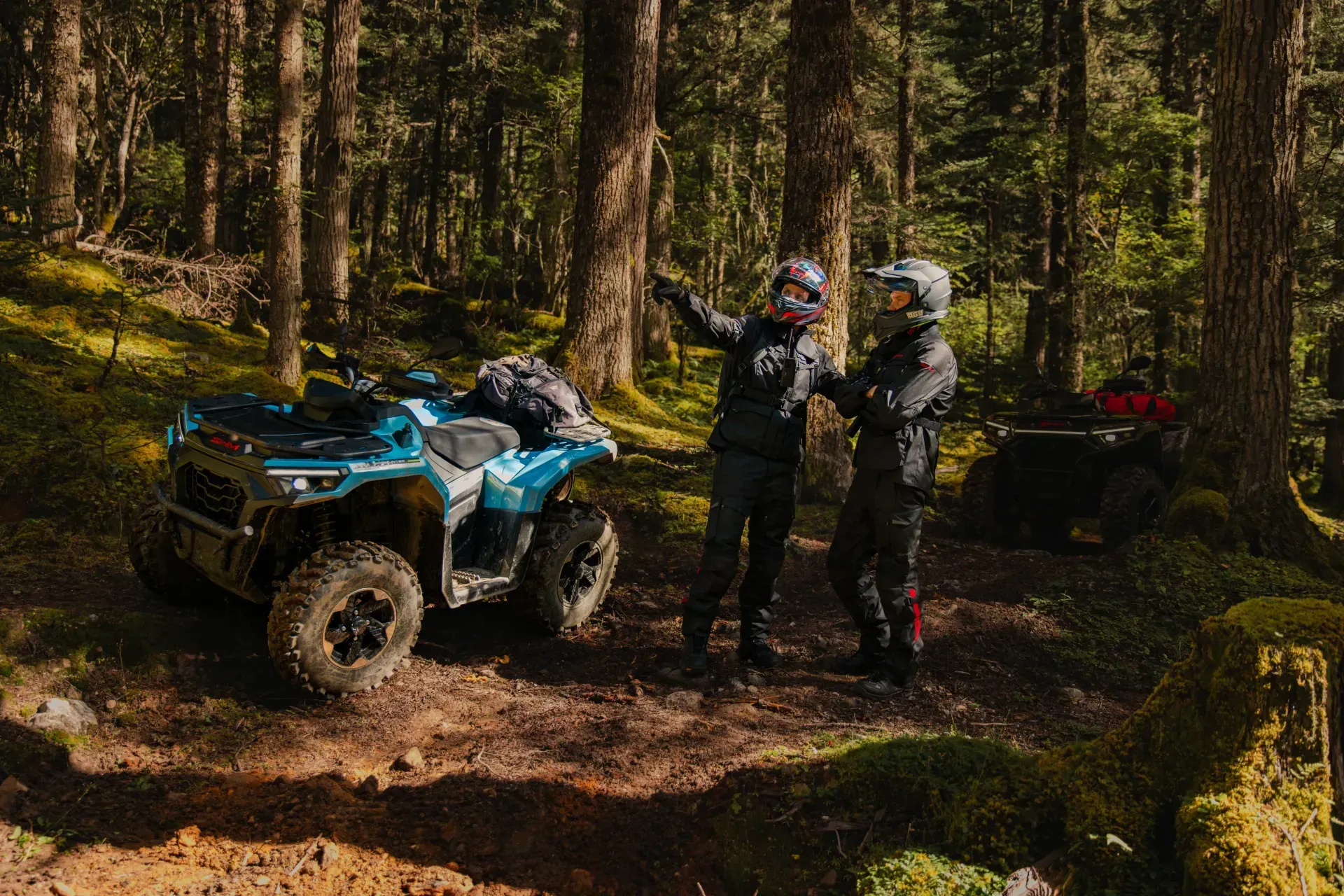
Every off-road rider knows the feeling. You haul your ATV to the trails on a weekend morning. Gear up. Helmet on. You're excited. Then you hit the start button. Click. Or maybe nothing at all. Just dead silence.
You sit there mashing the button, thinking why won't my ATV start, and it's tempting to lose it. Don't throw your helmet. Here's what most people don't realize. About 90% of starting problems aren't major engine failures. Not even close. Your engine only needs three basic things to run. Spark to fire. Fuel to burn. Air to breathe. That's it.
We're not diving into complicated mechanic theory today. Just a simple 4-step checklist. It'll help you track down the problem in a few minutes.
Start Here: The 3 Cold-Start Blunders Everyone Makes
But before you grab any tools, spend ten seconds to get rid of the three most ridiculous, most common mistakes. Even experienced riders have spent hours working on their bike, to find a switch was off. It happens.
Did you bump the Kill Switch?
Look at your left handlebar. See that red button? That's the kill switch. It cuts all power when it's in the "OFF" position. And it's surprisingly easy to bump it without noticing. Loading the ATV, strapping it down, wiping it clean after a ride. Any of these can nudge it. If that switch is off, your machine is completely dead. You can press the start button until your thumb hurts. It won't do anything.
Is the ATV in Park or Neutral?
Modern ATVs have safety interlocks. Honestly, this is a feature that's good. This stops the bike from jumping forward if you accidentally crank it up while in gear. So, be sure you are in Neutral or Park when you start. Some models you can start in gear if you pull the brake lever hard enough. But neutral is your safest bet.
Is the fuel valve (Petcock) turned ON?
If you have an older ATV with a carburetor, there's a small metal knob under the fuel tank. That's the petcock. Lots of people turn it off when the bike sits for a while. Then they forget. Turn it to "ON" or "RES" (reserve) and try again. This simple fix saves more rides than you'd believe.
Step 1: Check the Power & Battery
If you have eliminated the absurd, try the starter again. If nothing happens and you hear rapid clicking from under the seat, you have an electrical problem.
That click is the starter solenoid opening and closing quickly. It means your finger is sending the signal correctly. But the battery is too weak to spin the heavy starter motor.
Use a Multimeter to Test Battery Voltage
Get a multimeter. Set it to DC voltage. Red probe on positive, black on negative. Here's what the readings mean.
Battery Voltage | Battery Status | Action Needed |
12.6V or higher | Healthy | Battery is fine. Check terminal connections or the fuse. |
12.0V – 12.4V | Low Power | Might light the dash, but won't crank. Charge overnight. |
Below 12.0V | Dead/Damaged | Internal damage. Replace the battery. |
Inspect the Main Fuse & Battery Terminals
What if you measure 12.6V but the dash stays dead when you turn the key? That means a break in the circuit.
Check the battery terminals. ATVs bounce around on rough terrain. Those cable connections vibrate loose. Give them a wiggle. If they move, tighten them. Also look for white or green powder on the terminals. That's corrosion. It blocks current. Scrub it off with a wire brush.
Now find the main fuse. Follow the positive cable from the battery. You'll see a small black plastic box. Open it. Main fuse is inside, usually 15A or 30A. Take it out and hold it up to the light. If the metal U-shaped strip is broken, the fuse is blown out. Replace with the spare fuse that is usually kept close by. You'll be back in business.
Step 2: Inspect the Fuel System & Gas Quality
Now suppose the starter motor spins strong. It cranks fast and sounds healthy. But the engine won't fire. It's like it's dry. Time to check if fuel is actually reaching the engine.
The Bad Fuel Trap
First reason bike won't start after sitting. You store it in the garage all winter. Three months went by. Spring is coming and it will not start.
Today’s gas is mixed with ethanol. Ethanol is hygroscopic . Eventually it turns into a gooey, sticky substance. That gunk clogs fuel lines, filters and carb jets. If the tank smells of fresh fuel and not paint thinner, drain the tank. Add fresh gas and try again
EFI Models: Listen for the Fuel Pump Whine
The newer ATVs use electronic fuel injection rather than carburetors. Here's an easy listening test. Stand next to the bike. Turn the key to "ON" but don't hit the starter. Put your ear near the fuel tank.
You should hear a quiet whirring sound for about 2 to 3 seconds. That's the fuel pump building pressure. If you hear nothing, the pump is not working. Failure of the relay or the pump motor is burned out. Either way, fuel isn't getting into the cylinders.
For Carburetor Models: Is the jet clogged?
If your four-wheeler is older and uses a carburetor, two things often cause problems.
Stuck Float. Inside the carb is a float that controls fuel flow. When the bike sits, this float can stick in the closed position. Take a screwdriver and gently tap the carburetor bowl with the plastic handle. The vibration often frees it. Seriously, it works.
Clogged Jet. The tiny holes inside the carb that spray fuel are very small. Old gas can plug them completely. This one takes more work. You'll need to remove the carb, open the bowl, and clean the jets with carburetor cleaner and a thin wire.
Check the Gas Cap Vent
This is a sneaky one. Even some shop mechanics miss it.
Think about this. The engine pulls fuel out of the tank. As the fuel level drops, air needs to get in. If the vent is blocked, a vacuum builds inside the tank. That suction is so strong it stops fuel from flowing. The pump or gravity feed can't overcome it.
Here's a quick test. Open the gas cap and try starting again. If it fires right up, you've found it. The vent hole or breather tube is plugged. Clean it out and you're done.
Step 3: Check Air Intake & Exhaust
Your engine is basically a big air pump. It needs fuel and spark, yes. But it also needs to breathe. If the intake or exhaust is blocked, the bike won't start.
Is the Air Filter Clogged or Wet?
Open the air filter box under the seat. Look at the filter element. Is it caked with thick mud? Or soaked from crossing a deep creek? Then air can't get through. The engine chokes.
Try this. Remove the filter and try starting with the intake open. If it fires up, you know the problem. Clean the filter or replace it. Don't ride without it long term, though. That filter protects your engine from dirt.
Blocked Exhaust Pipe
This one sounds ridiculous, but it happens more often than you'd think. In winter, rodents like mice climb into exhaust pipes. It's warm and sheltered. They stuff the pipe with grass and leaves. Or you backed into a mud pit and packed the exhaust tip full of clay. That mud dries hard and blocks everything.
The engine can't push exhaust out. So it can't draw fresh air and fuel in. Grab a stick or a piece of wire. Poke it deep into the exhaust pipe to make sure it's clear.
Step 4: Test Spark & Compression
You've checked power, fuel, and air. The starter still cranks but no fire. Now we go to the final tests. Spark and compression.
How to test for a weak spark
The spark plug is your engine's lighter. Without that little flash, the fuel in the cylinder won't ignite. Use the spark plug socket from your tool kit. Remove the plug. Reconnect it to the ignition coil wire.
Using insulated pliers, hold the threaded metal body of the plug against the engine block. You need good metal to metal contact for grounding. Hit the starter and watch the gap at the plug tip.
Spark Color Diagnosis
l Bright blue or purple spark. This is perfect. Your ignition system is in great shape. Look elsewhere for the problem.
l Weak yellow or red spark. Ignition voltage is low. Or the plug is fouled with carbon. Clean the tip with a wire brush or just replace it. They're cheap.
l No spark at all. The circuit is broken. Could be the plug, the ignition coil, or the CDI box. Start with a new plug, then work your way up.
The "Wet Plug" Symptom & Loss of Compression
Look at the plug you just pulled. Is the tip wet with raw fuel? That means you've flooded the engine. Too much gas, the plug can't spark. Dry it off. Or use a lighter to burn off the fuel for a few seconds.
Now, without reinstalling the plug, crank the engine a few times. This clears the extra fuel out of the cylinder. Put the plug back in and try again.
What if the engine spins unusually fast? It sounds light and easy with almost no resistance. That means loss of compression. The engine needs to squeeze the air-fuel mixture tightly before it fires. If the piston rings are worn or broken, or a valve sticks open, compression escapes. This is internal engine work. You'll need a shop for that.
Quick ATV Starting Diagnostics Matrix
Here's a simple reference table. Match what you're hearing and seeing to the row. It tells you exactly where to look first.
Fault Symptoms Lookup Table
What You Hear/See | Most Likely Cause | Where to Check First |
No sound at all when pressing start. Dash is dark. | Power is completely cut, or a safety lock is active. | 1. Is the kill switch off? 2. Is it in Neutral? 3. Is the main fuse blown? |
Rapid clicking noise (fast, rhythmic). Starter won't turn. | Battery voltage is too low. Not enough current. | 1. Use a multimeter. Is voltage below 12.4V? 2. Are the terminals loose or corroded? |
Starter spins strong, no metal noises, but engine won't fire. | Power and starter are fine. Problem is fuel, air, or spark. | 1. Is the gas old? 2. Check the spark plug for a blue spark. 3. Is the gas cap vent or air filter blocked? |
Loud grinding or scraping metal noise on startup. | Internal starter mechanism is physically damaged or worn. | 1. Starter clutch gear might be broken. 2. Starter motor bearings could be seized. This needs a shop. |
Conclusion
Figuring out why won't my ATV start doesn't take a mechanical engineering degree. Most four wheelers that won't fire up have issues hiding in one of these four areas. The kill switch. Battery voltage. Old gas. Air filter. Spark plug. Go through them step by step. Don't skip the simple checks. They're simple for a reason. Take 15 minutes and run through this list. You'll understand your bike better. And when it fires up, you'll know exactly what was wrong.
-
Jun 28 2026
learn more
 Why Won’t My ATV Start? 4-Step Guide To Find Reasons
Why Won’t My ATV Start? 4-Step Guide To Find Reasons
Why Won’t My ATV Start? 4-Step Guide To Find Reasons
-
Jun 28 2026
learn more
 How Much is ATV Insurance a Year in PA?
How Much is ATV Insurance a Year in PA?
How Much is ATV Insurance a Year in PA?
-
Jun 26 2026
learn more
 Are off road quads street legal in tucson?
Are off road quads street legal in tucson?
Are off road quads street legal in tucson?
-
Jun 25 2026
learn more
 10 Simple UTV Maintenance Tips to Keep Your Vehicle Running
10 Simple UTV Maintenance Tips to Keep Your Vehicle Running
10 Simple UTV Maintenance Tips to Keep Your Vehicle Running