Как выбрать объём двигателя квадроцикла в 2026: работа, отдых или и то, и другое?
Jun 02 2026
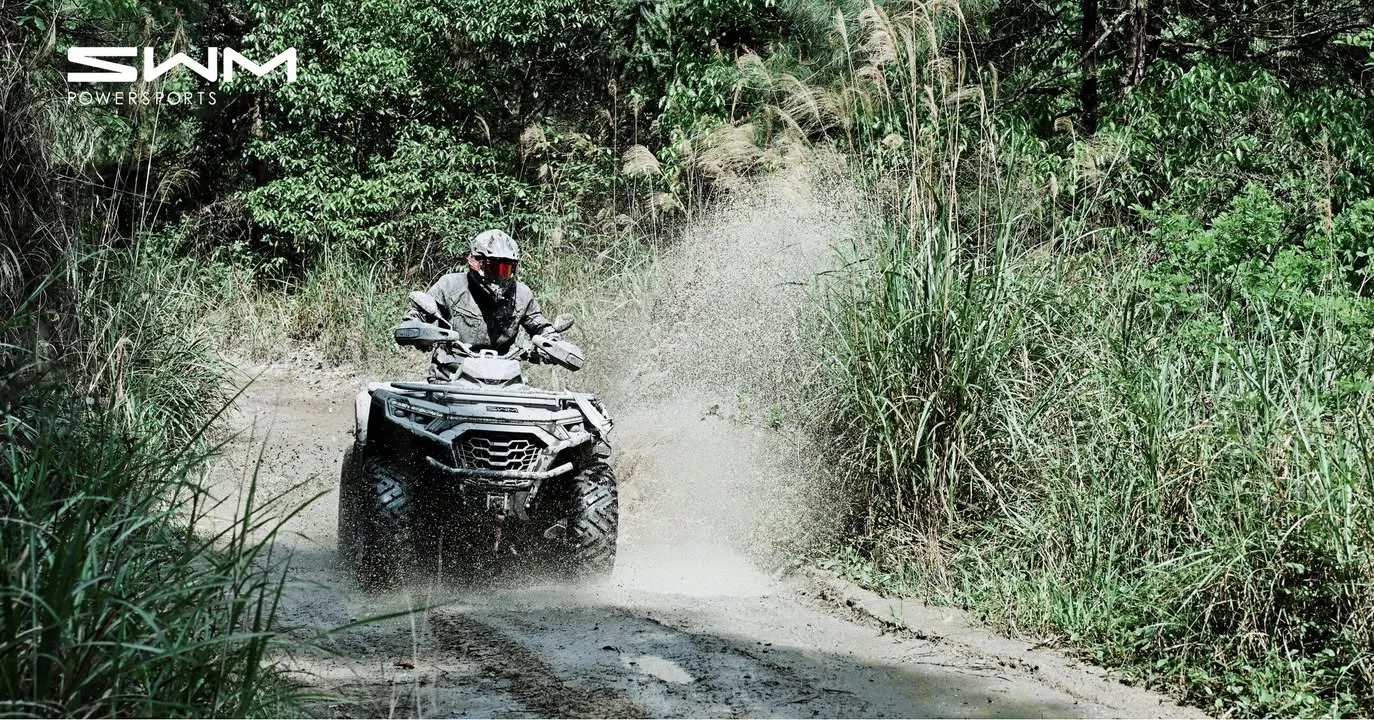
Покупка квадроцикла без понимания объема — как наем сотрудника без описания должности. Малый объем — просите компакт тянуть прицеп. Большой — переплата за мощность, которую безопасно не используете.
Если вы режете линии ограды на поле в 50 акров, охотитесь на лосей в сосновых лесах или наносите приманку на песчаные дюны по выходным, правильный размер двигателя становится критичным из-за его влияния на ваше удовольствие.
Это руководство отсекает маркетинговый шум. Мы разбираем каждый основной класс объёма — 300–450 куб.см, 500–750 куб.см и 800+ куб.см — в реальных сценариях, где каждый либо блистает, либо буксует.
Реальная цена ошибки в объёме двигателя ATV
Несоответствующий ATV не просто хуже работает — он стоит денег сразу в трёх направлениях.
⚠ Слишком мал:Перегрев двигателя при превышении нагрузки, преждевременный износ ремней и сцепления, итоговый ремонт дороже апгрейда. 300-кубовый мотор, тянущий гружёный прицеп, быстро стареет.
⚠ Слишком большой:Вы платите больше за ценник, топливо, страховку и физически управляете машиной 650+ фунтов в лесу или на мягкой почве. Новичкам больший объём даёт меньше уверенности — и меньше времени в седле.
У каждого свой оптимум. Скотоводу, ежедневно проверяющему водопой, нужен иной объём, чем байкеру на дюнах или новичку в управлении недвижимостью. Цель гида — помочь найти ваш оптимум и купить раз и навсегда.
300cc–450cc ATVs: Практичная рабочая лошадка
Маленький — не значит слабый.Объём 300–450 куб. см разработан для плавного утилитарного использования и обучения езде по бездорожью. Эти машины оптимальны для ферм и управления участками, а также для досуга, где важна маневренность, а не мощность.
Кому подойдёт квадроцикл 300–450 куб. см?
Этот диапазон водоизмещения — правильный выбор, если ваш чек-лист выглядит так:
• Управляете 5–50 акрами — опрыскивание, покос, перевозка корма, проверка изгородей.
• Вы — новичок-владелец ATV, желающий повысить уверенность перед переходом на более мощную модель.
• Вы в основном ездите по устоявшимся тропам, а не по техничным, каменистым или экстремальным трассам
• Бюджет: нужна производительная машина до $7 000–$9 000 новой
• Вы цените экономию топлива и низкие эксплуатационные расходы, а не пиковые показатели мощности
• Молодые или легкие райдеры, нуждающиеся в управляемом соотношении мощности к весу
Бренды Honda, Yamaha и Can-Am предлагают популярные модели в этом классе. Honda FourTrax Rancher (420cc) и Yamaha Grizzly 350 — эталоны надёжности и ликвидности.
Плюсы и минусы малолитражных ATV
✔ Преимущества
• Более низкая цена покупки — обычно $4 500–9 000 в зависимости от марки и комплектации
• Лучшая экономия топлива — на 35–50% меньше расхода, чем у аналогов с объёмом 700cc+
• Облегчённый вес — проще погрузка, буксировка и вытаскивание из мягкого грунта
• Снижение стоимости страховки и регистрации в большинстве регионов
• Упрощённое обслуживание — меньше сложных электронных систем, ниже затраты на труд
✖ Ограничения
• Макс. буксировочная способность 800–1100 фунтов — недостаточно для тяжёлых работ
• Мощности не хватает на крутых подъёмах при загрузке или буксировке навесного оборудования
• Ограниченный ход подвески на большинстве начальных моделей снижает комфорт на пересечённой местности
• Не подходит для райдеров, стремящихся к техническому офф-роуду
500cc–750cc ATVs: оптимальный выбор для большинства райдеров
В то время как категория 300–450cc представляет компактный автомобиль, диапазон 500-750cc — это более крупный пикап, который, как и компакт-класс, сочетает утилитарность и спортивность, выполняя обе задачи на одной машине. Это категория, в которой оказываются опытные покупатели — и неспроста.
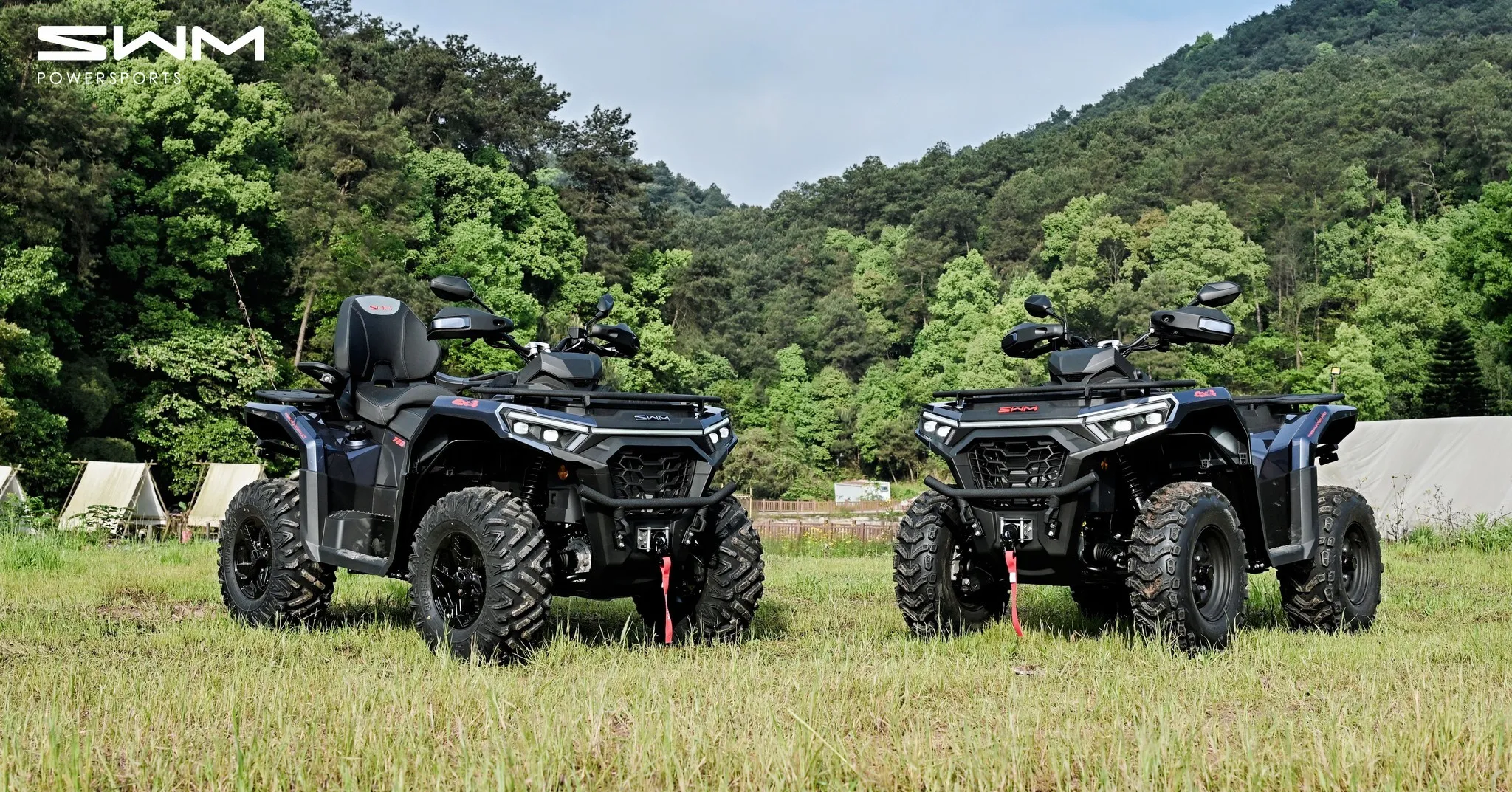
Тяжелая работа без тяжелого ценника
Переход с 450 см³ на 500+ см³ даёт значимый прирост крутящего момента, меняющий рабочие возможности. В этом диапазоне объёмов вы получаете:
• Грузоподъемность прицепа 1200–1700 фунтов — достаточно для выравнивания коробчатым отвалом, скототрейлеров и тяжелых опрыскивателей.
• Грузоподъемность 200–400 фунтов — подходит для перевозки материалов для ограждений, инструментов или добычи.
• Пониженная передача на большинстве моделей, критична для точного медленного движения на склонах и грязных полях.
• Подвеска увеличенного хода, поглощающая колеи и неровности с меньшей утомляемостью
Для покупателей смешанного использования — тех, кому нужна реальная работоспособность с понедельника по пятницу, но хочется увлекательных поездок по бездорожью на выходных — диапазон 500–750 куб. см предлагает лучшую стоимость за использование на рынке.
Трейловое вождение и умеренное бездорожье
За пределами стройплощадки ATV 500–750 см³ уверенно держатся на трассах среднего уровня. Соотношение мощности и веса в этом классе даёт характер езды, вознаграждающий навыки без наказания за ошибки — баланс, редкий в бюджетном или ультра-производительном сегменте.
Идеальные сценарии езды:
• Маршруты доступа к охотугодьям — достаточная мощность для перевозки полного снаряжения по пересечённой местности без перегрева
• Лесные и противопожарные дороги — достаточно отзывчивы для техучастков, стабильны для длительных поездок
• Лёгкая грязь и ручьи — шноркельные модели и правильные шины хорошо справляются с сезонными условиями
• Многодневные походы — запас хода и комфорт делают длительные поездки практичными
Покупателям в этом сегменте стоит тщательно сравнить CVT и механику. МКПП обеспечивает лучшее торможение двигателем на спусках; вариатор упрощает управление для нерегулярных поездок или рутинных задач.
800cc+ ATVs: Созданы для райдеров, не признающих границ
Сегмент 800+ куб. см однозначен в приоритетах. Эти машины созданы для макс. объёма, сцепления и адреналина. Это не утилитарные мощные ТС, а платформы производительности с багажником.
Экстремальный рельеф, максимальная мощность
Отличие 800-кубового класса от других — крутящий момент на низких оборотах, позволяющий мотоциклу выбираться из грязи, песка и подниматься в гору.
Где крупнокалиберные ATV превосходят:
• Езда по глубокой грязи — устойчивый момент на низких оборотах предотвращает остановку при резкой потере сцепления
• Езда по барханам — высокая мощность напрямую определяет способность к подъёму и максимальную скорость.
• Скалистый технический рельеф — крупные двигатели выдают достаточную тягу для преодоления валунных полей без высоких оборотов.
• Соревновательная езда — GNCC, WORCS и другие серии — доминируют машины 700cc+
• Буксировка в экстремальных условиях — запас мощности решает, когда местность против вас
Polaris Sportsman 850 Trail, Can-Am Outlander 1000R и Yamaha Grizzly 700 EPS представляют три различные философии в этом диапазоне объёмов — утилитарную, спортивную и золотую середину соответственно.
Недостатки крупного формата
Серьёзная мощность требует серьёзных компромиссов. Перед выбором платформы 800cc+ оцените честно:
• Цена покупки обычно $12 000–$18 000+ за новую, премиум-модели EPS — свыше $20 000
• Расход топлива значительно растёт — ожидайте увеличения эксплуатационных затрат на 35–50% на км по сравнению с аналогами среднего размера.
• Вес машины 650–800+ фунтов создаёт серьёзные проблемы при эвакуации, погрузке и транспортировке на мягком грунте.
• Требование к навыкам реально — высокомоментные машины не прощают ошибок райдера в техничных ситуациях
• Интервалы ТО и стоимость запчастей выше; закладывайте бюджет на ежегодное обслуживание.
• Избыточность на управляемых сельхозугодьях — дополнительное смещение увеличивает затраты без повышения полезной функциональности для большинства фермерских задач.
Сравнение объёмов двигателей ATV 2026
Используйте таблицу ниже для быстрого сравнения классов объёма. Мысленно выберите строку — затем прокрутите к соответствующему разделу выше для полной информации.
Водоизмещение | **Лучшее для** | Буксировочная способность | Уровень райдера | Экономия топлива |
300–450 куб. см | Лёгкая ферма, двор, новичок, тропы | 800–1,100 фунтов | Начальный–Средний | ★★★★★ |
500–750 см³ | Смешанная работа и отдых, охота | 1 200–1 700 фунтов | Промежуточный | ★★★☆☆ |
800cc+ | Экстремальный рельеф, грязь, песчаные дюны | 1 500–2 000 фунтов | Опытный | ★★☆☆☆ |
Подберите ATV под свой образ жизни — создан SWM
Вы прочитали руководство. Знаете свой рельеф, нагрузку и стиль езды. Теперь выбор один: какой объём реально нужен? SWM создала два варианта — они покрывают все сценарии из руководства.
SWM TrailHunter 720 — 650 куб. см | Идеальное сочетание
TrailHunter 720 точно попадает в оптимум 500–750 куб. см, определённый в этом руководстве как лучшее соотношение цены и ресурса. Его 650-кубовый одноцилиндровый двигатель с жидкостным охлаждением выдаёт 57 л.с. и 55 Н·м крутящего момента — достаточно для тяжёлых фермерских работ, охотничьих маршрутов и уикенд-поездок без лишнего расхода топлива и веса крупнолитражных машин.
**Лучшее для:** смешанного использования (ферма/тропа), доступа к охотугодьям, многодневных походов, райдеров среднего уровня, желающих реальных возможностей без излишеств.
SWM TrailHunter 1000 — 999 куб. см | Когда местность требует всего
Когда ваш рельеф — описанный в руководстве для 800cc+: глубокая грязь, песчаные дюны, каменистая техника или экстремальная буксировка.
Лучшее для: экстремальный рельеф, глубокая грязь, песчаные дюны, гонки, буксировка тяжелых грузов, опытные райдеры, требующие максимум производительности без компромиссов.
-
Jul 23 2026
learn more
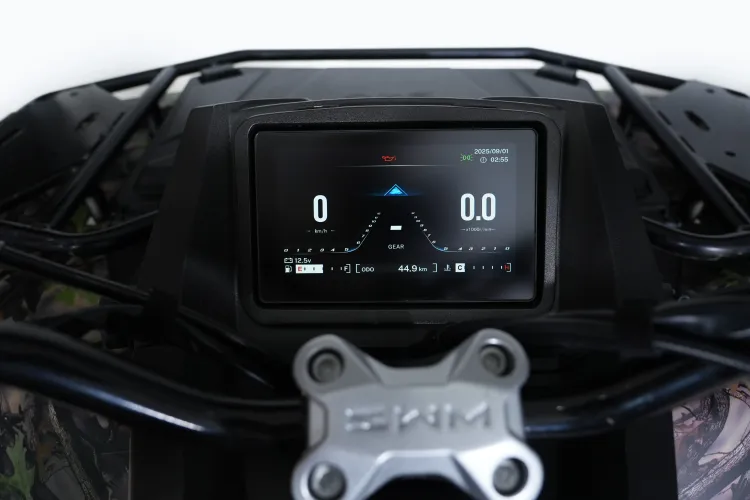 Стоит ли EPS на ATV или UTV? Объяснение электроусилителя руля
Стоит ли EPS на ATV или UTV? Объяснение электроусилителя руля
Стоит ли EPS на ATV или UTV? Объяснение электроусилителя руля
-
Jul 22 2026
learn more
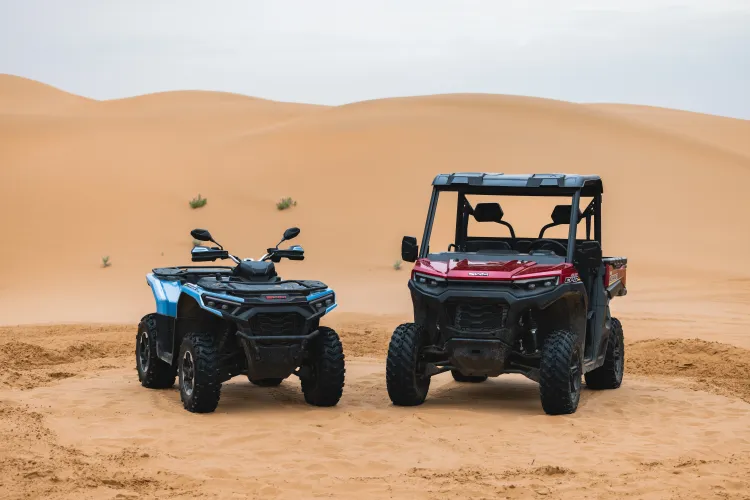 Как выбрать идеальные шины для песка для вашего ORV
Как выбрать идеальные шины для песка для вашего ORV
Как выбрать идеальные шины для песка для вашего ORV
-
Jul 22 2026
learn more
 Чек-лист осмотра ATV: 10 обязательных проверок перед каждой поездкой
Чек-лист осмотра ATV: 10 обязательных проверок перед каждой поездкой
Чек-лист осмотра ATV: 10 обязательных проверок перед каждой поездкой
-
Jul 20 2026
learn more
 Распространённые ошибки при буксировке, которых следует избегать каждому владельцу ATV и UTV
Распространённые ошибки при буксировке, которых следует избегать каждому владельцу ATV и UTV
Распространённые ошибки при буксировке, которых следует избегать каждому владельцу ATV и UTV