50-inch vs 64-inch vs 72-inch UTV trail width restrictions in US?
Nov 12 2026
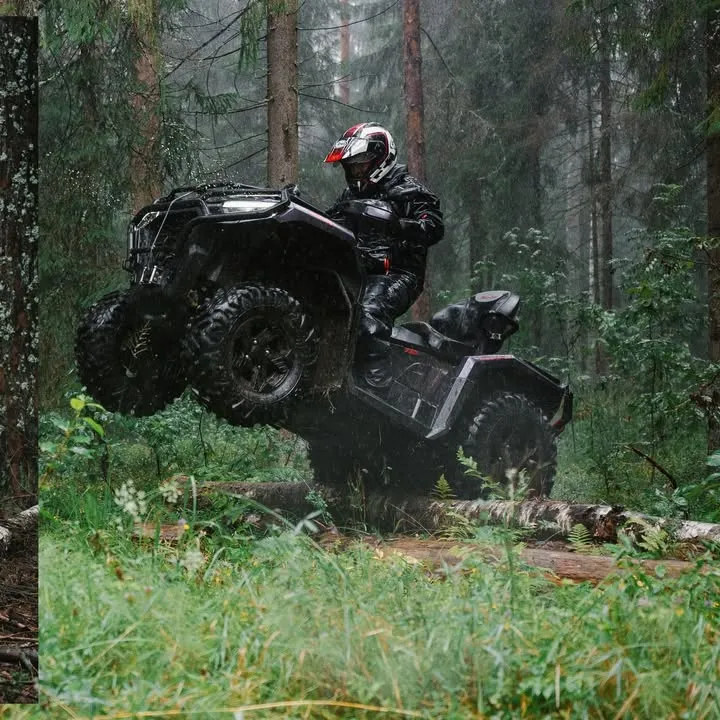
The main difference between 50-inch, 64-inch, and 72-inch UTVs is trail accessibility. A 50-inch UTV offers access to narrow trails with a 50-inch vehicle limit, a 64-inch UTV is suitable for designated wider recreational trails, and a 72-inch UTV is intended for routes that permit wider vehicles, such as open desert and dune riding areas. In the US, there is no nationwide standard for UTV trail width restrictions. Regulations vary by state, National Forest, BLM land, and individual trail. Before choosing a UTV, riders should check the permitted vehicle width on their intended routes.
Understand which trails each vehicle can access, how regulations differ across states, and how to choose the right UTV for your riding needs.
What Are the UTV Trail Width Restrictions in the United States?
The United States does not have a single nationwide rule requiring all UTV trails to follow 50-inch, 64-inch, or 72-inch limits. Restrictions are established by state agencies, the US Forest Service, the Bureau of Land Management (BLM), and other land managers.
One important distinction is that trail width and vehicle width limit are not necessarily the same measurement.
Trail width: The physical width of the trail or its maintained riding surface.
Vehicle width limit: The maximum vehicle width permitted on a designated route.
inch, 64-inch, and 72-inch: What Do These Measurements Mean?
Width | Trail or vehicle restriction | UTV access |
50-inch | Maximum permitted vehicle width is 50 inches | Narrow ATVs and compatible compact UTVs |
64-inch | Maximum permitted vehicle width is 64 inches | 50-inch and 64-inch UTVs |
72-inch | Maximum permitted vehicle width is 72 inches | 50-inch, 64-inch, and 72-inch UTVs |
UTV Trail Width Restrictions by State and Land Management Agency
State / Agency | Width restrictions and access rules |
Michigan | Designated ORV trails are maintained at 50 inches; designated ORV routes are maintained at a minimum of 72 inches. |
Oregon | Class IV ATVs include qualifying side-by-sides up to 75 inches wide. Individual riding areas and routes may have additional restrictions. |
Pennsylvania | Most designated state forest ATV trails are limited to Class I vehicles, with a maximum width of 50 inches. Certain designated trails allow wider Class II vehicles. |
National Forests | Some routes are limited to vehicles 50 inches or less. Other routes allow wider vehicles, depending on the individual forest's MVUM. |
BLM land | Vehicle access depends on the specific route designation, permitted vehicle class, and local land-use rules. |
50-Inch vs. 64-Inch vs. 72-Inch UTV: Which Trails Can Each Access?
The most important difference between these three UTV widths is the range of trails they can access.
UTV Width | 50-Inch Trail | 64-Inch Trail | 72-Inch Trail |
50-inch UTV | Yes | Yes | Yes |
64-inch UTV | No | Yes | Yes |
72-inch UTV | No | No | Yes |
A 50-inch UTV generally offers the widest potential trail access among these three options because it can fit within narrower vehicle-width limits. A 64-inch UTV sacrifices access to 50-inch restricted trails, while a 72-inch model requires routes that permit its full width.
50-Inch UTV: Narrow Forest Trails, Hunting, and Restricted Routes
A 50-inch UTV is designed for riders who frequently use narrow, width-restricted trails. Its compact dimensions make it easier to navigate narrow forest paths, tight wooded sections, and designated ATV trail systems.
It is particularly suitable for:
Riding on designated 50-inch forest trails.
Hunting trips requiring access to narrow woodland paths.
Fishing and outdoor exploration.
Recreational riding on narrow ATV trail systems.
Riders who prioritize trail accessibility over maximum vehicle size.
Hunters, forest trail riders, and recreational users who regularly visit narrow off-road routes should consider 50-inch models.
64-Inch UTV: Wider Forest Trails and Versatile Recreational Riding
Compared with 50-inch models, 64-inch UTVs offer more chassis and suspension configuration options. Many popular sport and crossover side-by-sides are built around this width.
They are suitable for riders who use a variety of terrain, including wider forest roads, designated recreational trails, rocky terrain, and open riding areas.
Key advantages include:
Access to designated trails that permit vehicles up to 64 inches wide.
A wider selection of sport and recreational UTV models.
More room for wider chassis and performance suspension configurations.
Greater versatility for riders using open trails and mixed terrain.
However, 64-inch UTV owners should pay particular attention to routes with 50-inch or 62-inch restrictions. Even a small difference in vehicle width can make a route inaccessible.
72-Inch UTV: Desert, Dunes, and Open High-Speed Off-Road Riding
72-inch UTVs are generally associated with high-performance sport side-by-sides designed for open terrain, desert riding, dunes, and demanding off-road conditions.
They are better suited to desert riders, performance enthusiasts, and users who primarily ride in open off-road areas where wider vehicles are permitted.
Potential advantages include:
Wider suspension and chassis configurations.
More room for long-travel suspension designs.
Performance-oriented handling on suitable open terrain.
Greater suitability for high-speed desert and dune riding.
The main trade-off is reduced access to narrow trails. A 72-inch UTV cannot use a 50-inch or 64-inch restricted route unless the land manager explicitly allows an applicable exception.
Which UTV Width Should You Choose?
The right UTV width depends on where you ride most often and which trails you want to access.
Riding Requirements | Recommended UTV Width | Main Reason |
Narrow forest trails and hunting access | 50-inch | Better access to width-restricted routes |
Fishing and woodland exploration | 50-inch | More suitable for narrow paths |
Mixed recreational riding | 64-inch | Balances trail access and vehicle configuration |
Wider forest trails and rocky terrain | 64-inch | Suitable for designated wider routes |
Open desert and high-speed riding | 72-inch | Better suited to wide, open terrain |
Sand dunes and long-travel performance riding | 72-inch | Accommodates wider performance suspension configurations |
-
Nov 12 2026
learn more
50-inch vs 64-inch vs 72-inch UTV trail width restrictions in US?
50-inch vs 64-inch vs 72-inch UTV trail width restrictions in US?
-
Nov 11 2026
learn more
 New to UTVs? These Must-Have Accessories Change Everything
-
Nov 10 2026
learn more
 UTV Rollover: Causes, Risks, and How to Prevent It
-
Nov 09 2026
learn more
 ATV Drivetrain: How Power Gets from the Engine to the Wheels