ATV Drivetrain: How Power Gets from the Engine to the Wheels
Nov 09 2026
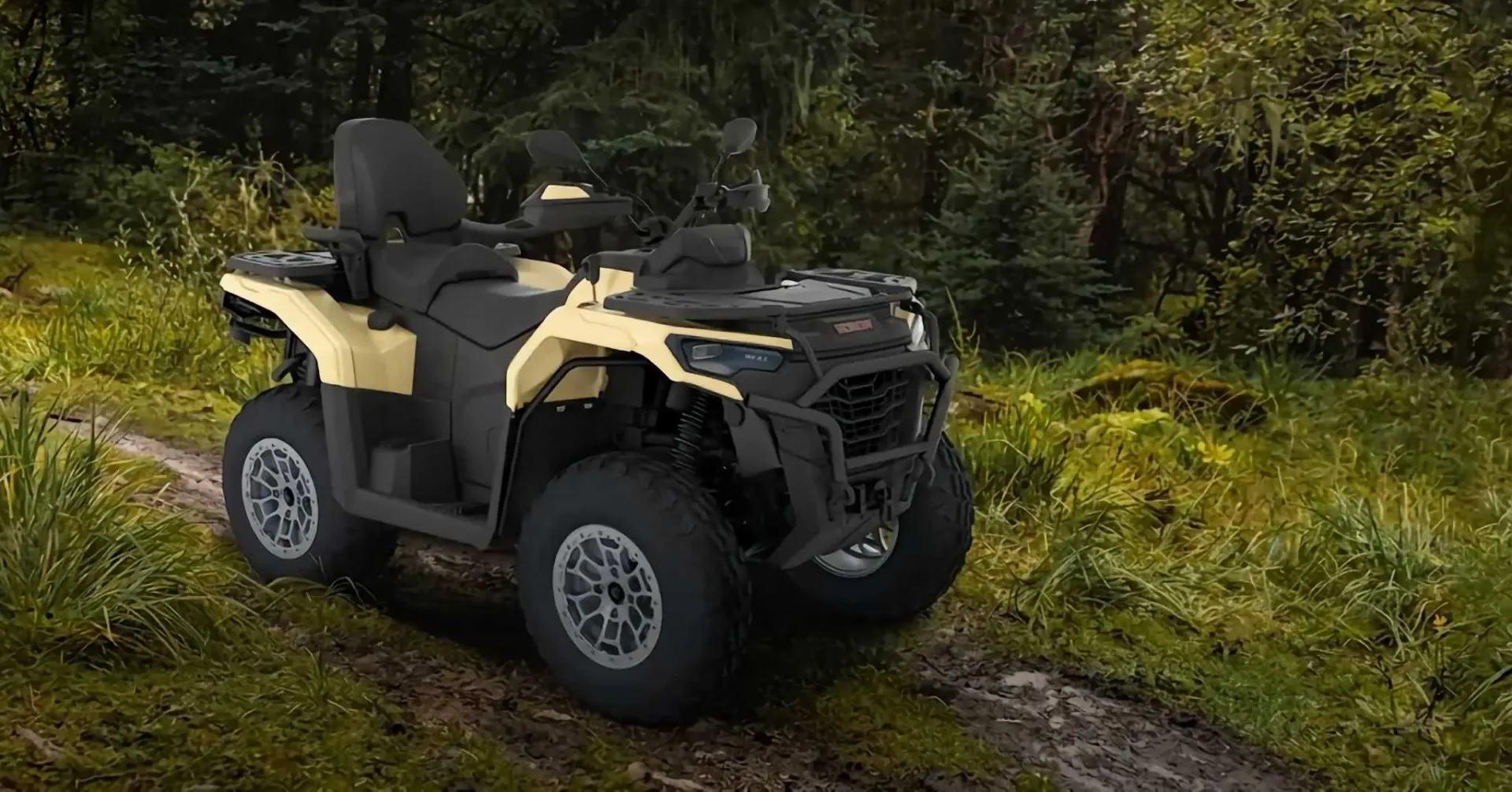
An ATV drivetrain is a collection of mechanical parts that transfer the engine power to the drive wheels. It typically has a CVT or other type of transmission, a driveshaft or chain, a differential and half-shafts, depending on the drivetrain design the vehicle uses. Knowing how all these pieces function together can assist riders comprehend ATV power output, drive modes, and the structural changes between different models.
What Is an ATV Drivetrain?
An ATV has many interconnecting systems, such as the engine, drivetrain, suspension and brake system. These ATV parts and features interact to affect the vehicle’s power output, handling performance, and the overall riding experience. The drivetrain is an important part of the power transmission system. It links the power source to the wheels that drive the vehicle.
The engine turns the energy of the burning gasoline into mechanical power. The drivetrain controls and delivers the torque produced by the engine to ultimately rotate the wheels. They have distinct purposes. The engine is the power source and the drivetrain sends power to the correct drive wheels depending on the construction of the vehicle and the driving requirements.
What Are the Main Components of an ATV Drivetrain?
An ATV drivetrain is not a single component; it is a system which controls power transfer by the coordinated action of different mechanical units.
CVT Transmission
A CVT is used to control engine power output in many modern ATVs. A typical CVT system has a primary clutch, a secondary clutch and a drive belt between the two. The CVT varies the transmission ratio continually, dependent on the engine speed and load on the vehicle, rather than moving through a fixed set of gears like a conventional transmission :
Low-speed state: The primary clutch has a smaller effective working diameter, while the secondary clutch has a larger effective working diameter, creating a greater reduction effect in the transmission system and providing greater torque at the output. This is suitable for vehicle starting, low-speed climbing, and heavier loads.
High-speed state: As engine speed and vehicle operating conditions change, the effective working diameter of the primary clutch gradually increases, and the effective working diameter of the secondary clutch decreases accordingly. The reduction effect of the transmission system is then reduced, allowing the vehicle to adapt to higher traveling speeds.
Some ATV models also offer selectable high/low range gears (L/H Ranges). These ranges provide additional gear reduction options for different riding conditions and are a completely different concept from the continuously variable ratio of the CVT pulleys themselves.
Driveshaft and Drive Chain
After the transmission mechanism completes ratio adjustment, power still needs to be delivered to the drive wheels through the appropriate transmission components. Depending on the ATV design, power can be transmitted through a driveshaft, chain, or other gear-driven structure:
Driveshaft: A driveshaft is a spinning shaft and gear arrangement for transmitting power and normally works with a differential and gearbox. For shaft-driven ATVs, power can be transferred from the transmission system to the front and rear drive mechanisms. Shaft-drive components are typically housed, thus have different needs for chain lubrication and adjustment of tension than exposed chains do, but gear oil, seals and other components still need periodic inspection and maintenance.
Drive Chain: A drive chain is used to transmit power through a driving sprocket, chain and driven sprocket. Structure is rather straightforward. The power transmission efficiency and the operating condition are directly affected by the chain tension, lubrication and wear. If the chain is not adequately lubricated, if it is too loose or if it is too tight, mechanical wear can be increased.
There are no definitive advantages or disadvantages to driveshafts and chains. The structure employed depends on the overall vehicle design, driving architecture, actual use scenarios and maintenance requirements.
Differential and Axles
ATV drive axles with differential allow inner and outer wheels to travel different distances in a turn and therefore variable speeds of rotation. The outer wheel must rotate quicker, the inner wheel turns with a relatively slower speed. The differential allows the left and right drive wheels to move at separate speeds, allowing the vehicle to turn more naturally. Some ATVs utilize a solid rear axle structure. In this setup, the same axle powers both the left and right rear wheels. This design does not have the speed adjustment feature of an open differential:
Open differential – Allows the required speed difference for regular driving and cornering.
locking differential: An open differential may not provide enough drive torque to the wheel on the other side with superior traction when one wheel is on soft or slippery ground, so affecting the vehicle’s traction. Locking differentials can limit the speed difference between the two sides of the differential so that both wheels can transmit power together, depending on the design of the locking mechanism. This helps the vehicle to deal with the circumstance where one wheel slips. The exact effect will depend on the type of differential and the design of the lock.
Axles and CV Joints: The half-shafts deliver torque from the differential output to the driving wheels. Some ATVs with independent suspension additionally employ CV joints to provide for variations in the angle of the transmission caused by suspension movement. In the case of front-wheel drive configurations, CV joints must also allow for changes in angle induced by the steering of the wheels.
How Does an ATV Drivetrain Transfer Power to the Wheels?
While the precise structures differ among models, the essential sequence of ATV power transmission is: engine output, transmission mechanism, final drive components, and drive wheels:
Power generation: The engine turns the chemical energies of the fuel into mechanical power and outputs rotational force via the crankshaft.
Ratio adjustment: Power is supplied to the CVT or other transmission mechanism to change the transmission ratio according to engine speed and load on the vehicle.
Power transmission The transmission mechanism delivers power to the following transmission components such as the output shaft, driveshaft, chain or gear mechanism.
Driving the wheels : Depending on the drive structure of the vehicle, power is transferred to the drive wheels through a differential, half-shafts, or other transmission components, finally driving the ATV ahead.
2WD and 4WD are very different in terms of drive layout and power distribution in terms of certain power transmission pathways . This will directly influence the structure of the 4x4 atv drivetrain:
In a 2WD ATV: In a standard rear-wheel-drive ATV, the engine power is sent through the transmission mechanism and to the rear drive mechanism, and powers the rear wheels through a differential or other transmission structure. The front wheels steer, but don't drive.
In a 4WD ATV In an ATV that has switchable four-wheel drive, power is sent not only to the rear drive mechanism, but also to the front wheels through the equivalent front-wheel-drive mechanism. Depending on the vehicle design, this can include additional driveshafts, a front differential, half-shafts and other components.
With an atv drivetrain diagram you can intuitively understand the connections between components and how the engine power is transmitted through the transmission mechanism and the transmission components to the drive wheels and finally how the vehicle is driven by the interaction between tires and the ground.
How Do 2WD and 4WD Affect an ATV Drivetrain?
2WD Rear wheels drive the vehicle generally. The structure is pretty simple. This drive mode usually suits the daily riding needs on firm level ground.
4WD: Allows the front and rear drive wheels to participate in traction together, providing more drive options on mud, loose gravel, and slippery surfaces, helping the vehicle maintain power output and driving capability. On some vehicles, a front differential lock can further help the vehicle handle the situation where one wheel slips.
The switchable 2WD/4WD systems allow the user to pick the drive mode according to the actual terrain and the necessities of vehicle operation. But 4WD can't get past physical limits like not enough grip on the tires, low ground clearance, or the chassis hitting anything. Its specific power distribution still depends on the vehicle’s differential and drive system design, which directly influence an ATV's off-road capability.
What Should You Look for in an ATV Drivetrain?
When buying an ATV, knowing the drivetrain arrangement will assist you know if the vehicle is suitable for actual use needs:
gearbox Type : Learn whether the vehicle is equipped with a CVT or a manual gearbox and how the configuration of the gear impacts the transmission of power and the sensation of riding under different loads.
Drive Configuration: Check whether the vehicle is 2WD, 4WD or switchable drive, as this dictates the drive modes and road conditions the vehicle can manage.
Differential Design : Learn about how an open differential or locking differential is designed and judge how well the vehicle can cope with changes in traction between left and right wheels and how to get out of slip situations.
Drivetrain Configuration Check for a driveshaft, chain and other gear structures. Evaluate the power transmission layout and its maintenance implications.
For example, the SWM Trailhunter 1000 uses a CVTech CVT (L/H/N/R/P) transmission system, switchable 2WD/4WD and a front diff lock. These variants are a reflection of the diverse functions of the transmission mechanism, drive arrangement and differential in the ATV power transmission system.
Final Thoughts
The ATV drivetrain is to provide the engine output power to the drive wheels. The specific construction of the drivetrain depends on the vehicle transmission form, drive arrangement and drivetrain layout. Knowing the parts of the CVT, drive shaft, chain, differential and half-shafts helps to highlight some of the differences between ATVs in how power is transmitted and how they are driven.
When purchasing an ATV, in addition to the engine displacement and power specifications, you should also examine the real use needs and comprehend the transmission system, drive form and differential arrangement of the vehicle. Different models have different drivetrain designs, and the right one relies on what the vehicle is intended for and what riding environment it is likely to encounter.
-
Nov 09 2026
learn more
 ATV Drivetrain: How Power Gets from the Engine to the Wheels
-
Nov 04 2026
learn more
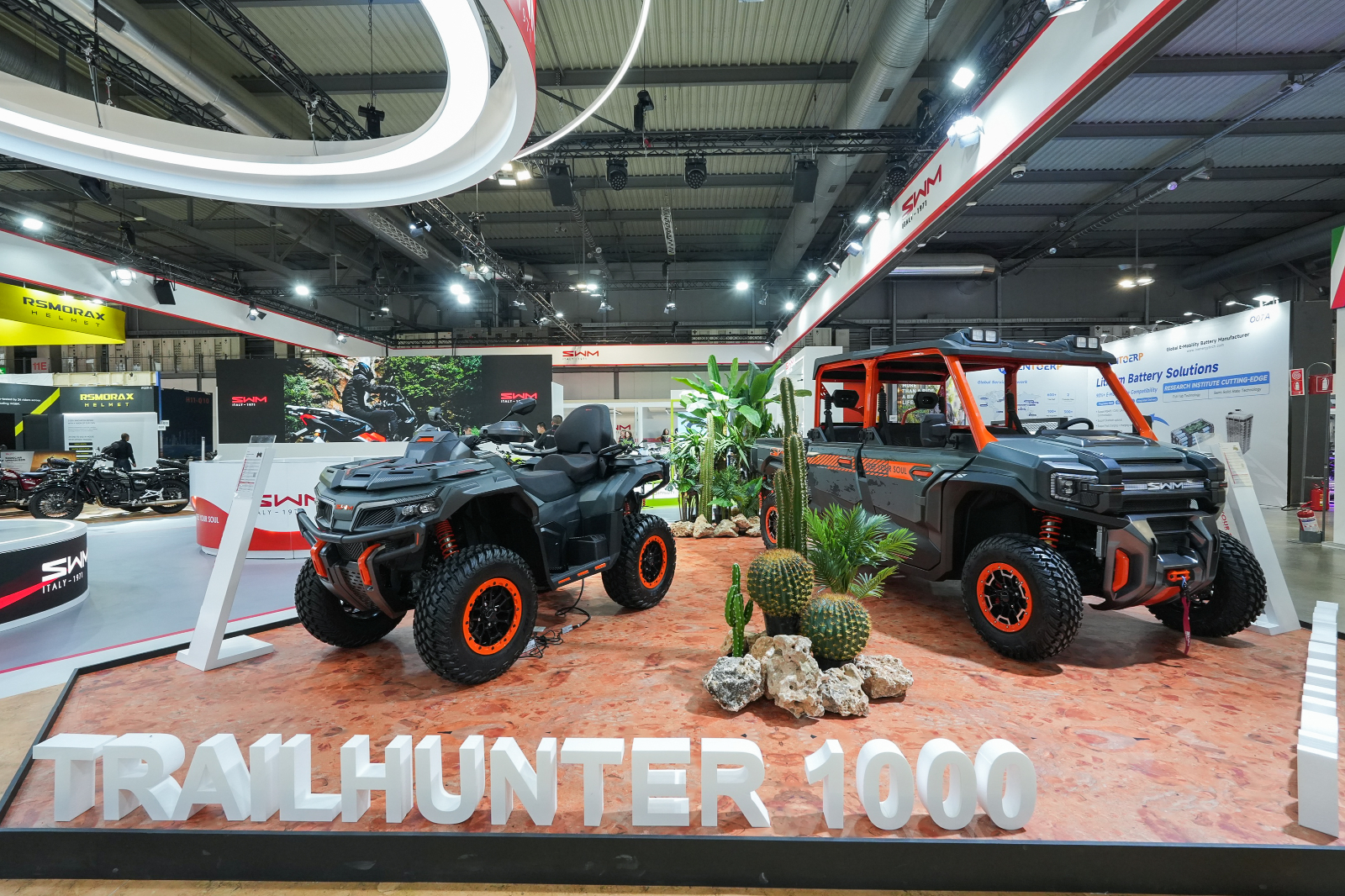 SWM 2026 Smart Evolution · Boundless Adventure: New 1000cc Flagship Models Make Their Global Debut at EICMA Milan
-
Nov 05 2026
learn more
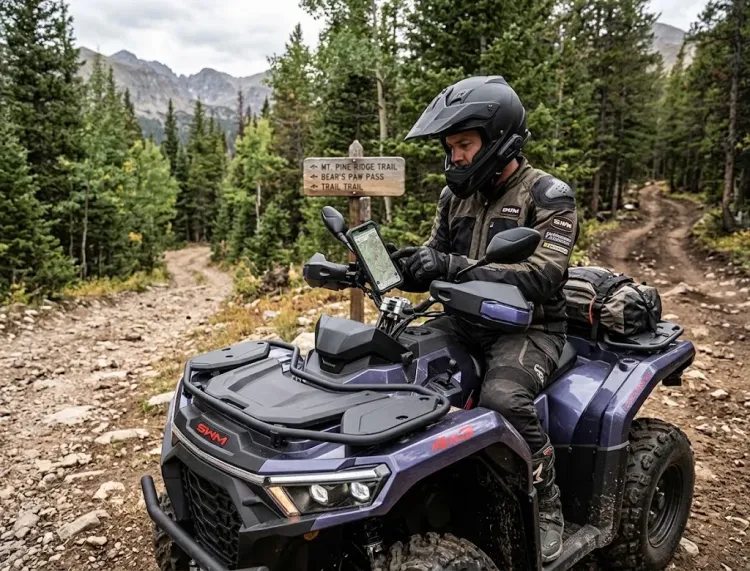 How to Check Trail Conditions Before an ATV Ride
-
Nov 04 2026
learn more
 ATV Mud Riding: Tips for Safer Off-Road Adventures