500cc vs 650cc vs 1000cc UTV: Which Is Worth Buying for Your Needs?
Nov 27 2026
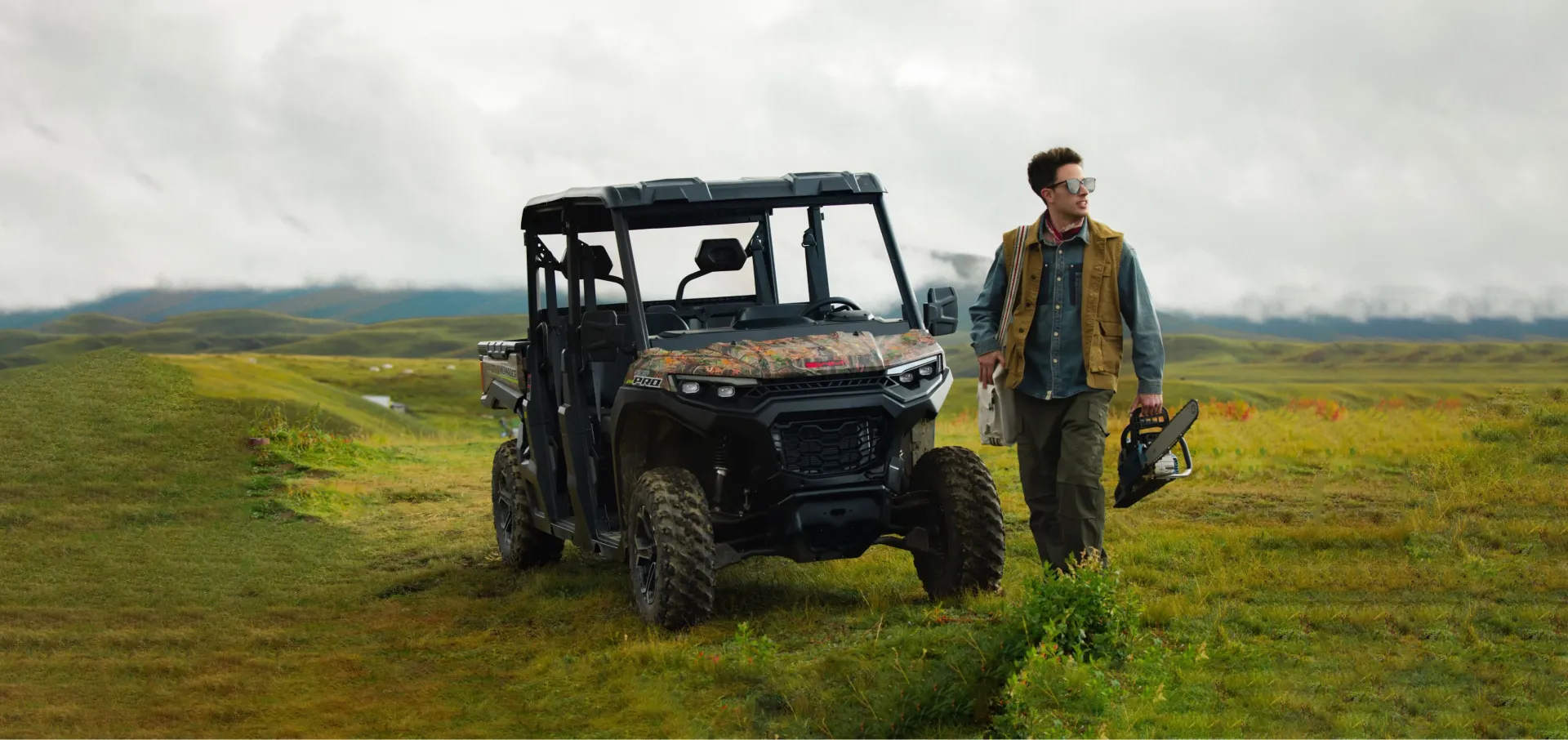
First: What Performance Factors Does Engine Displacement (CC) Affect?
CC stands for cubic centimeters and measures the total displacement of an engine's cylinders. Generally, when engine technology and design are similar, a larger displacement provides greater power potential. However, CC is not the same as HP, Torque, or Towing Capacity.
Performance Factor | How CC Affects It | Practical Meaning |
Horsepower (HP) | Indirectly affects | Influences power output, acceleration, and speed performance. |
Torque | Indirectly affects | Influences low-speed pulling, hauling, and climbing performance. |
Acceleration | Usually affects | Influences acceleration and power response. |
Towing Capacity | Does not directly determine it | Depends on the vehicle's rated towing capacity. |
Payload Capacity | Does not directly determine it | Depends on the frame, suspension, tires, and rated payload. |
Fuel Consumption | Usually affects | Larger engines may consume more fuel, but actual consumption depends on load and riding style. |
Climbing Ability | Indirectly affects | Also depends on torque, gear ratios, 4WD, and traction. |
Snow Plowing | Does not directly determine it | Also depends on traction, vehicle weight, 4WD, and plow equipment. |
Mud Performance | Does not directly determine it | Also depends on tires, ground clearance, differential lock, and drivetrain. |
HP (Horsepower) mainly affects sustained power output and vehicle speed.
Torque is particularly important for low-speed pulling, hauling, and climbing.
Transmission Gear Ratio determines how engine power is transferred to the wheels.
4WD and Differential Lock affect how effectively the vehicle can use its available power.
500cc vs 650cc vs 1000cc UTV: What Are the Actual Differences?
The main difference between these engine displacement classes is their potential power output.
Specifications | 500cc UTV | 650cc UTV | 1000cc UTV |
Engine Displacement | 472–500 cc | 650 cc | 999 cc |
Engine Type | Single / Twin-cylinder | Single-cylinder | V-Twin |
Max Horsepower | 34–44 HP | 55 HP | 101 HP |
Max Torque | 39–46 N·m | 58 N·m | 93.5 N·m |
Transmission | CVT | CVT | CVT |
Drive System | 2WD / 4WD | Selectable 2WD/4WD | Selectable 2WD/4WD |
Front Differential Lock | Depending on model | Yes | Yes |
Cargo Bed Capacity | Depending on model | 350 kg | 450 kg |
Towing Capacity | Depending on model | 810 kg | 830 kg |
Ground Clearance | 300 mm (example) | 292 mm | 300 mm |
Fuel Tank | 16 L (example) | 35 L | 45 L |
Power Output | 25.4 kW | 40.4 kW | 75.3 kW |
Data references: 500cc class: Eriksen 472cc and CFMOTO CFORCE 500; 700cc class: KYMCO 695cc; 1000cc class: SWM NOMADER 1000, CFMOTO UFORCE 1000, and Polaris Ranger 1000.
Farm users: Payload, towing, low-speed torque, and durability may be more important.
Snow plowing users: 4WD, traction, vehicle weight, plow equipment, and power reserve all matter.
Hunting users: Vehicle dimensions, maneuverability, cargo space, and terrain adaptability may be more important.
Off-road users: HP, torque, suspension, ground clearance, tires, and power response are more important.
What Can 500cc, 650cc, and 1000cc UTVs Actually Do?
The SWM 650cc reference model offers 21 HP more than the 34 HP 500cc reference model, representing approximately 62% more horsepower.
The SWM NOMADER 1000 offers 46 HP more than the NOMADER 720 650cc model, representing approximately 84% more horsepower.
Compared with the 500cc reference model, the 1000cc model delivers nearly three times the horsepower.
Your Application | Is 500cc Enough? | 650cc | When Is 1000cc Worth Considering? |
Farm and Ranch | Fence inspections, carrying tools, moving feed and light supplies. | Frequent transportation, moderate towing, uneven terrain, and regular loaded operations. | Repeated heavy-duty towing, steep terrain, and demanding workloads where additional power is valuable. |
Hunting | Transporting hunting equipment and passengers along established routes. | More power reserve for rough roads, hills, and carrying additional equipment. | Challenging muddy trails, steep access routes, heavier loads, or performance-oriented riding. |
Snow Plowing | Small driveways and occasional light snowfall, provided the vehicle and plow are properly matched. | Greater power reserve for regular snow removal and deeper snow. | Larger or heavier snow-clearing jobs, provided the chassis, hitch, and plow system are suitable. |
Construction and Landscaping | Moving hand tools and small supplies around job sites. | Frequent transportation of equipment and materials. | Complex terrain and continuous operation under full loads. |
Recreation and Off-Roading | Established riding trails and moderate riding conditions. | More power for varied terrain and better acceleration. | Deep mud, steep hills, aggressive riding, and performance-oriented applications. |
500cc UTV: No need to pay extra for a larger engine if you rarely haul heavy loads, tow trailers, or climb steep hills.
Transport feed, tools, and daily supplies for light-duty tasks.
Best for: Farm and ranch work, property maintenance, and light hauling.
A 498.6cc, 34 HP (25.4 kW) engine handles routine transportation, fence inspections, and light towing. It is sufficient for everyday tasks but offers less power for heavy loads and steep climbs.
650cc UTV: Ideal for users who frequently haul loads, tow trailers, and work on challenging terrain.
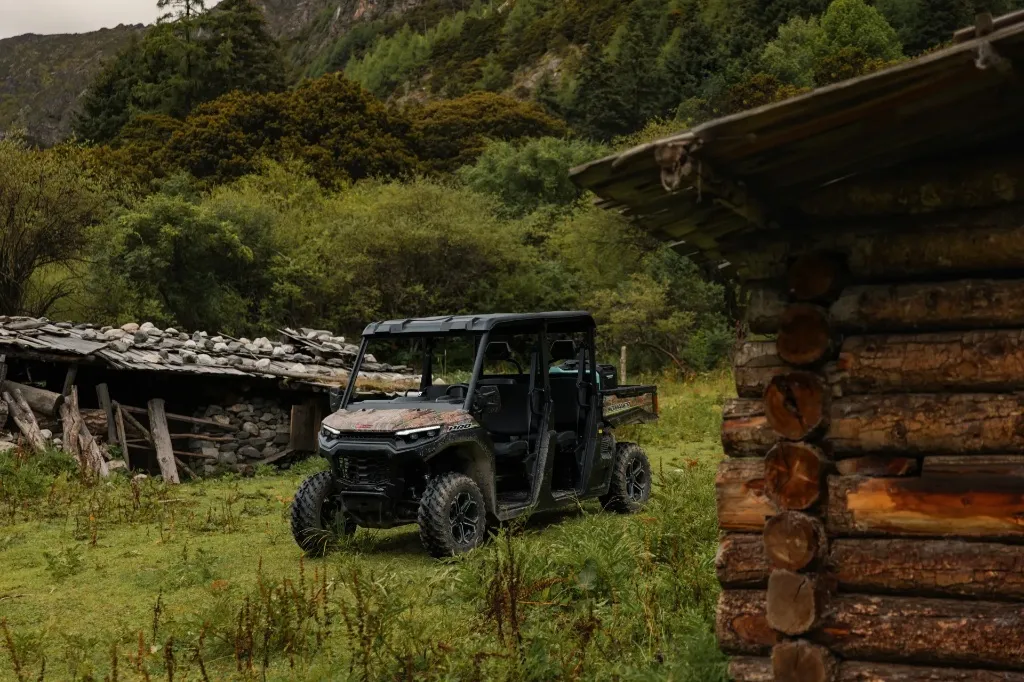
Transport heavier supplies, tow trailers, and navigate muddy fields and slopes.
Best for: Medium-sized farms, ranches, and utility work.
The SWM NOMADER 720 features a 650cc single-cylinder engine producing 55 HP and 58 N·m of torque. Compared with a 34 HP 500cc reference model, it delivers approximately 62% more horsepower, providing greater acceleration and power reserves for loaded transportation and demanding terrain.
It also offers a 350 kg cargo bed capacity, 810 kg towing capacity, and 292 mm ground clearance, making it a practical option for regular agricultural and utility work.
1000cc UTV: Built for heavy loads, high power demands, and demanding off-road conditions.
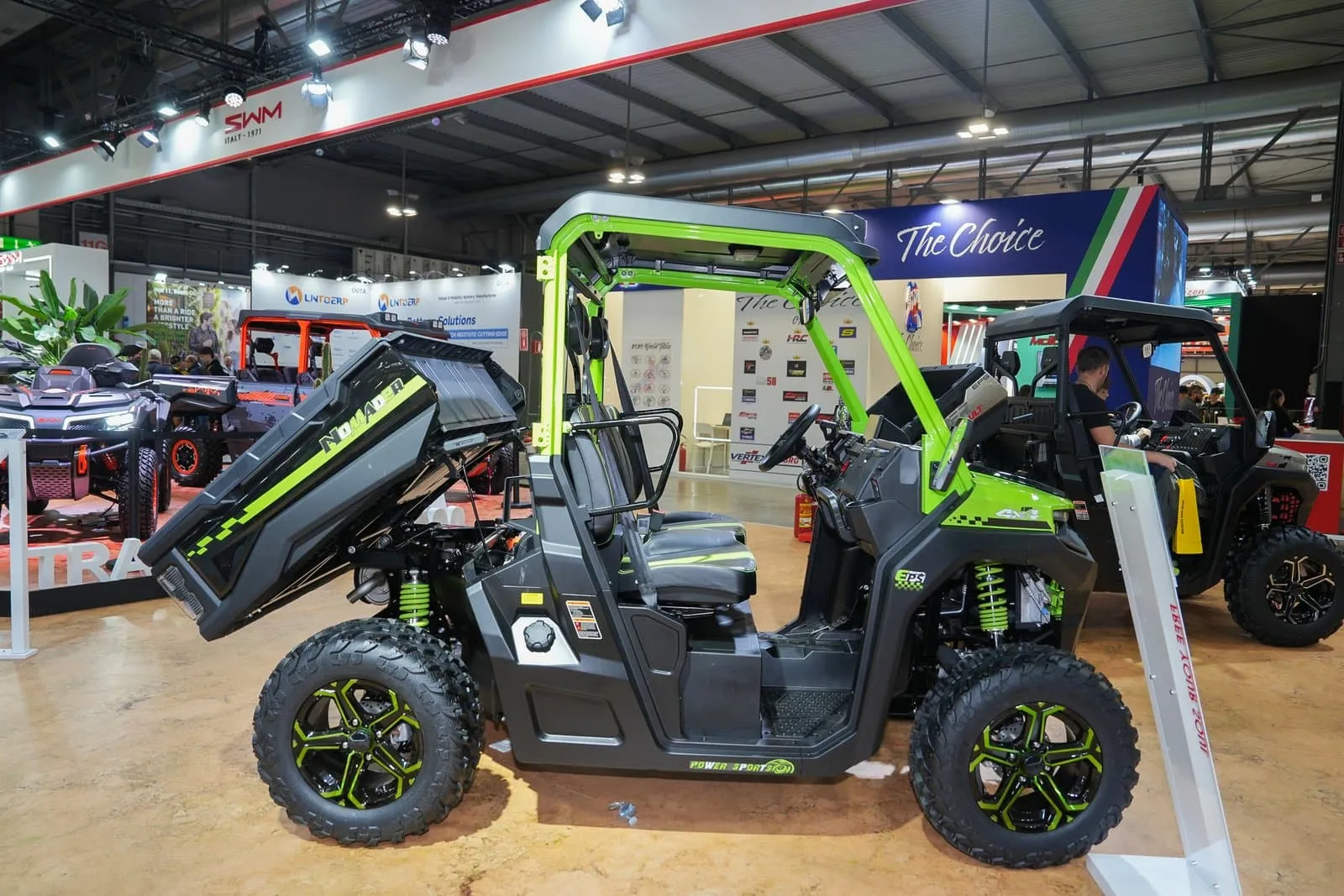
Heavy hauling, steep climbs, deep mud, and challenging terrain.
Best for: Large farms, commercial ranches, and intensive off-road use.
The SWM NOMADER 1000 delivers 101 HP and 93.5 N·m of torque from its 999cc engine—approximately 124% more horsepower than a 45 HP 700cc reference model. It offers greater power reserves for heavy loads, steep climbs, and demanding terrain. Actual hauling and towing limits still depend on vehicle ratings.
500cc vs 650cc vs 1000cc UTV: Which Is Worth Buying for Your Needs?
Most of your work involves light transportation and routine maintenance: 500cc.
You frequently transport materials, tow trailers, and work across varied terrain: 650cc.
You need substantial power reserves, stronger performance, or the ability to handle
Your Main Requirement | Recommended Engine Size | Why |
Daily farm transportation | 500cc | Sufficient for light hauling and routine work. |
Fence inspections and property maintenance | 500cc | Does not require substantial power output. |
Frequent agricultural hauling | 650cc | More power reserve under regular loads. |
Farm work and recreational riding | 650cc | A practical balance of utility and performance. |
Frequent towing and steep climbs | 650cc–1000cc | Depends on trailer weight, terrain, and rated capacity. |
Heavy-duty commercial work | 1000cc | Better suited to demanding power requirements. |
Deep mud and aggressive off-roading | 1000cc | Greater horsepower and torque potential. |
Occasional light snow removal | 500cc | Suitable with compatible plow equipment. |
Frequent snow plowing | 650cc–1000cc | More power reserve for demanding conditions. |
Resource
-
Nov 27 2026
learn more
 500cc vs 650cc vs 1000cc UTV: Which Is Worth Buying for Your Needs?
-
Nov 19 2026
learn more
 Can You Run a UTV Out of Gas? Beginner’s Guide to Protecting Your Fuel Pump
-
Nov 16 2026
learn more
 ATV Ramp Guide: How to Choose and Use Loading Ramps Safely
-
Nov 16 2026
learn more
 ATV Shipping: Costs, Methods, and Preparation Tips