ATV Shipping: Costs, Methods, and Preparation Tips
Nov 16 2026
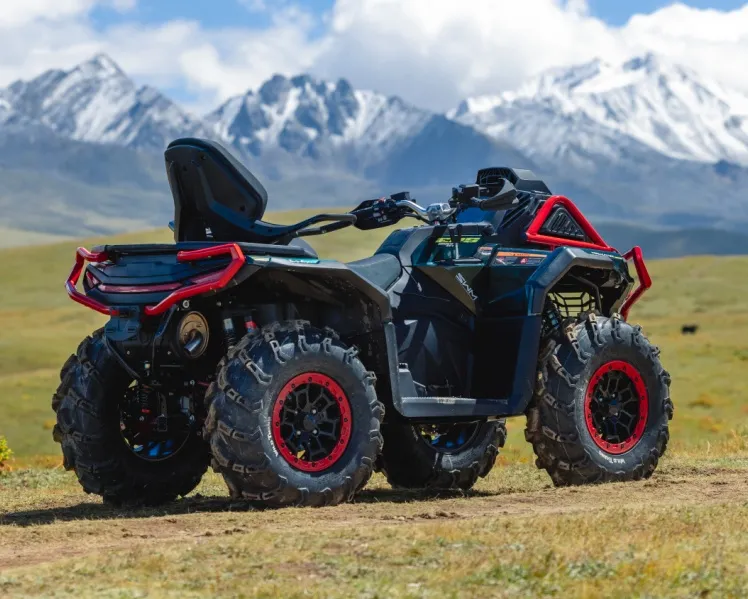
ATV shipping involves moving an ATV from one location to another via vehicle transport, trailers, or freight. Having knowledge about shipping regulations can help save time and money on your upcoming move, especially when you are purchasing a new ATV or relocating to a remote area.
Costs for shipping an ATV will ultimately be determined by the location of your pick up and drop off, how far you need the ATV shipped, the method of transport, and the size and weight of your ATV. Additionally, larger vehicles like a side-by-side will have different needs and shipping options that will also need to be considered.
This guide provides insight into the cost to ship an ATV, common methods of transporting an ATV, and steps you should take to properly prepare your ATV for transport.
How Much Does ATV Shipping Cost?
The biggest concern most people have when looking into transporting their vehicle is ATV shipping cost. The truth is, there isn't one set price for ATV shipping.
Many factors go into determining ATV shipping prices, including the distance being shipped, seasonality, fluctuating pricing of carriers, and even other requested services. To get a price estimate, you should contact different carriers and provide them with all of the necessary details about your ATV and where you want it shipped.
Shipping Distance
The farther the transport, the higher the cost will be. Shorter local transports versus longer interstate transport differ in planning for route, time, and gas. Long transports cost more overall, but at times the cost can be lower for a longer transport because the per mile price is less.
Most Door-to-Door transport options deliver the vehicle to a specific address, but road conditions and access must meet the requirements of the carrier. Some carriers offer a Terminal-to-Terminal option as well. For this option, you are responsible for getting the ATV to the carrier and getting it picked up once it arrives at the destination. Prices for these services can fluctuate, but the carrier’s quote will be final.
ATV Size and Weight
Since vehicles used for transport have both a weight and size limit, the dimension and weight of your ATV are key when it comes to getting an accurate quote.
Prior to getting a quote, make sure you know the exact ATV weight and differentiate between its Dry Weight and Operating Weight. The ATV width and length of your ATV will help to determine which trailer will work best for your needs.
If any accessories such as a windshield, bumper, winch, and/or cargo box have been added to your ATV, then the ATV will have dimensions that are larger than the dimensions listed by the manufacturer. Make sure to get the dimensions of your ATV after all of your accessories are installed.
Pickup and Delivery Location
Where you are shipping the ATV to and where it is coming from will impact your shipping quote as well.
Below are some factors that can influence shipping quotes:
Remote or rural shipping destinations or pickup locations usually carry a surcharge.
Remote surcharges: The distance to transport your vehicle from or to a rural or remote location and/or a location that is off the beaten path can result in the assessment of remote location surcharges and additional scheduling fees.
Road access limitations: Restrictions on road access can affect your transport service. Large vehicles or trucks may not be able to navigate smaller streets, roads that have low clearances, or roads that are in more remote locations.
Should a truck not be able to reach your chosen handoff location, then an alternate handoff location or the addition of transfer services may be necessary. Therefore, we advise that you provide your pickup and delivery address at the time you are requesting a quote.
Transport Type and Additional Services
Choosing a transport service will also create a variation in the prices. There are various types of transport services that can be used to transport your vehicle. An example would be enclosed transport services, which would be priced higher than an open transport service. It is also important that you inform the transport service of the condition of your vehicle as there may be extra charges to assist in loading the vehicle should the vehicle not be able to move on its own.
For the protection of your investment, it is suggested that you review your insurance coverage to determine whether or not it is adequate, especially in the case that you are looking for long haul transport. Additionally, please keep in mind that other options, such as the use of temporary storage services or a need for a scheduled drop off time, will also be an additional cost to your total price to ship an ATV.
ATV Shipping Methods: Open, Enclosed, and Freight
Owners have three primary options for ATV shipping methods based on their needs, vehicle value, and the level of protection from the weather.
Open Transport
Open transport entails putting an ATV on a trailer or flatbed truck and hauling it to a destination.
Advantages: This method is generally more affordable than other options and is perfect for ATV owners on a budget who do not need a high level of aesthetic protection.
Disadvantages: An ATV in an open transport scenario is subjected to rain, wind, sunlight, dust, and debris. This method is also subject to the route availability of a given carrier.
Enclosed Transport
Enclosed transport involves putting the ATV inside a trailer or a box truck.
Advantages: The enclosed trailer offers protection from rain, ice, snow, wind, and debris, while maintaining a level of dust control.
Use cases: Enclosed trailers are generally more expensive and offer a higher level of protection, so this is a great choice for brand new ATVs and vehicles with high monetary and sentimental value, as well as ATVs needing longer hauls.
Freight or Specialized Powersports Transport
There are companies that have dedicated motorcycle, ATV, and other powersports equipment transport services. However, other carriers have LTL Freight networks.
Requirements for Packaging and Loading: Some carriers have wheel chocks and straps and can do full-vehicle loads. Some standard freight options will require a vehicle to be on a Pallet or Crate.
Check in advance: Direct full vehicle loading might be available for some ATVs. Confirm before booking if the carrier allows direct loading and if there are additional fees.
ATV vs. UTV Shipping: What Are the Differences?
When asking for quotes to ship ATVs, you need to be aware of the differences for ATV shipping vs UTV shipping. The differences in straddle riding posture, handle bar steering, and size for ATVs mean that UTVs (Side-by-Sides) take more space to ship.
When preparing to ship a side by side, you need to check not only the side-by-side weight,but the vehicle's overall width and the roll cage height, to make sure the trailer bed or enclosed cargo box is big enough for the vehicle, with space left over to secure the trailer with straps.
Consequently, when factoring in the cost for UTV shipping, you will need to determine the appropriate shipping method by considering the length, width, height, transport weight, and equipment needs. Protruding accessories, roofs, and windshields need further inspection of the trailer’s enclosed space.
How to Prepare an ATV for Shipping
Preparation before the carrier arrives saves loading time, and gives you better documentation for claims in case your ATV is damaged during transit.
Clean the ATV Before Pickup
Cleaning your ATV before it is loaded gives the driver a better opportunity to inspect it for damage, as well as letting you easily see damage to body panels and cracks or leaks of fluids.
Document the Vehicle's Condition
You should have documentation of the ATV's condition before the carrier arrives. Photos are a good way to record the ATV's condition.
You should have documentation of your ATV's condition from several angles before it is loaded. Take front, rear, side, and top down photos. Also photograph individual panels to record body damage or scratches, and suspension and wheels.
Check Bill of Lading: Check for damage and scratches with the driver before they sign the Bill of Lading. Ensure these damages are written on the bill. Keep your copy of the bill.
Check Fuel, Battery, and Fluid Requirements
Check with the carrier to see what their specific requirements are for fuel, batteries and fluids for your ATV.
Verify your Carrier’s Requirements Before Pick Up. You need to check the fuel level, the battery connection, and what is required to start your ATV, and to load your ATV. Don't assume you should have already emptied your fuel tank and disconnected your battery.
Look for fuel or oil leaks in the engine, transmission, and shock absorbers. Deal with any leaks promptly and let the carrier know. Vehicles that are considered obvious safety risks can be refused for loading or require the carrier to repair before loading.
Remove or Secure Loose Items
Remove loose items like tools and spare parts from storage compartments. Also remove helmets. For other detachable items like navigation mounts or mirrors, it's best to remove and pack them separately. Check bolts on accessories like bumpers and winches to make sure they are secure.
You can also use a daily ATV inspection checklist to check important vehicle components before handoff.
How to Choose an ATV Shipping Service
There are many logistics companies, but by considering the following three points during your quote and vetting process, you can save money and avoid potential service disputes.
Confirm the Carrier's Vehicle Requirements
It's best to know if you're dealing directly with a carrier or with a broker. When using a broker, you need to find out who the actual carrier is and what insurance, qualifications, and liability responsibilities they have.
It's also a good idea to know if they accept your ATV, if the carrier has the correct trailer to accommodate your vehicle's size and weight, and if they have the equipment to load your vehicle. Commercial carriers should also adhere to cargo securement requirements.
Understand Insurance and Damage Claims
It's a good idea to find out if the carrier has liability insurance and, if so, what kind of coverage it provides for ATVs. Often, liability insurance will not provide complete coverage, so make sure to review the coverage, limits, deductibles, and exclusions. If necessary, you can see if you can buy additional cargo transport insurance. You'll also want to find out the carrier's insurance claim process and the timeline for damage reports.
Compare Shipping Quotes
Don't just look at the total cost of a quote. Make sure you check what the quoted services include, like door-to-door pickup and delivery, remote location charges, insurance, and equipment charges for loading. You should also consider the carrier’s response time to your communications and the estimated delivery time.
What to Confirm Before Shipping an ATV
l Know the vehicle’s true weight and measurements.
l Double-check that the shipping service’s trailer and equipment can handle your ATV.
l Confirm pickup and drop off points and times.
l Adhere to the carrier’s policies for fueling, charging, and cleaning your vehicle.
l Document pre-shipment condition.
Final Thoughts on ATV Shipping
A shipping quote can be estimated based on the details of the ATV and the logistics of the transport. The cost is somewhat proportional to distance and is very dependent on where the ATV is being loaded and where it is to be unloaded.
If a new vehicle is purchased with the intent to ship it after the fact, checking with the manufacturer on the weight and dimensions of the specific vehicle will significantly help to reduce any deviation of the quotes and any issues when loading.
The information on SWM ’s website is an example of what can be found for other manufacturers and vehicle models. As a case example, if a user wanted to purchase the Trailhunter 1000 EPS, they would see an Estimated Dry Weight of 990 lbs. on the website. However, this is only for one specific configuration of that model and should not be used as the overall model’s dry weight. Fuel and additional loaded equipment, among other items, would need to be added on top of the dry weight to calculate an accurate shipping weight, which the transporter would likely provide as the final weight for shipping.
-
Nov 19 2026
learn more
 Can You Run a UTV Out of Gas? Beginner’s Guide to Protecting Your Fuel Pump
-
Nov 17 2026
learn more
 ATV Ramp Guide: How to Choose and Use Loading Ramps Safely
-
Nov 16 2026
learn more
ATV Shipping: Costs, Methods, and Preparation Tips
ATV Shipping: Costs, Methods, and Preparation Tips
-
Nov 12 2026
learn more
 50-inch vs 64-inch vs 72-inch UTV trail width restrictions in US?