ATV Ramp Guide: How to Choose and Use Loading Ramps Safely
Nov 17 2026
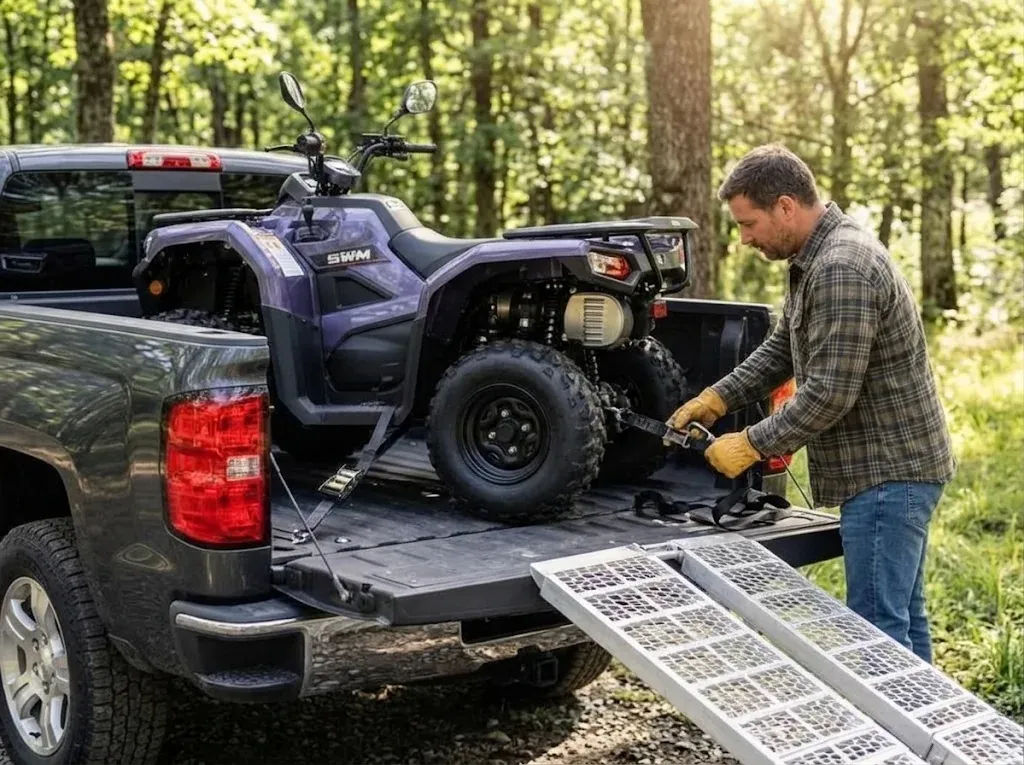
ATV ramp provide assistance for loading all-terrain vehicles (ATV) onto truck beds and trailers. Some key criteria to keep in mind when choosing ATV ramps include the ATV's weight, the height of the loading surface, the width of the tires, and the ramp’s load capacity. Some anti-slip design may also be helpful for certain loading situations. Loading weight can vary significantly due to fuel and added accessories. Know your vehicle's true weight before purchasing a ramp.
In this article, I will explain the different ATV ramp types and will also cover the do's and don'ts of safe loading and unloading of ATVs.
Types of ATV Ramps
There are several factors to consider before you decide which ATV ramps will work best for your loading needs. One factor is how much time you will have to set up your ramp for loading and unloading, along with where you plan on storing the ramp. Structural factors also contribute to setup and storage, such as the number of tracks and the fold design.
Separate-Track ATV Ramps
This type of ATV ramp is made of two separate narrow tracks that are designed to support each wheel on either side. Since they are narrow, they are easier to store and transport. The separate tracks can also be placed further or closer apart, depending on the ATV’s wheelbase.
A challenge with this ramp type is that front and rear wheel spacing may differ. Before each use, confirm the ramp is stable, and ensure both front and rear tracks can accommodate the wheels.
Bi-Fold ATV Ramps
This type of ATV ramp uses hinges to join two panels together. As a single unit, this type of ATV ramp offers more width when it comes time to load. However, keep in mind the effective loading width, the maximum rated load capacity, as well as the hinge and connector construction quality, while purchasing this ramp.
Tri-Fold ATV Ramps
These ramps fold three times and use several panels hinged together to create a very wide loading platform, giving the ATV extra lateral space to sit on while being loaded. These ATV ramps for truck loading must still be evaluated based on the ATV's actual weight and available space for storage of the ramps.
How to Choose the Right ATV Ramp
There is much more to choosing an ATV ramp than just selecting an aesthetically pleasing model that you think looks strong enough. Some important factors include the actual weight of your ATV, the loading platform height, where the ATV tires are in relation to the ramp, and the way in which the ramp is connected to your truck or trailer. The following are the most critical features to look at while shopping for an ATV ramp.
Check the ATV's Weight and Ramp Capacity
Checking the rated load capacity of the ramp is first and most important among all specifications during purchase. Manufacturer published vehicle dry weights often exclude fuel, onboard tools, and factory installed accessories, so purchasing decisions should be based on the vehicle’s dry weight + installed accessories + added loads.
In the case of an ATV weighing 750 lb, purchasing and using a pair of separate track style ATV ramps requires careful consideration of the paired load capacity and single ramp load capacity to ensure that they both meet the manufacturer’s specified conditions of use.
In this instance, as well as when determining how to load the ATV, it is important to also consider how weight is distributed between the ATV’s front and rear axles. It is never safe to simply add load capacities of separate ramps to determine a load combination that is considered to be safe.
Choose the Correct Ramp Length
For how long should atv ramps be, there is no one length fits all. Loading ATV ramps length selection depends on the loading platform height and the ATV's manufacturer suggested load procedure.
A longer ramp allows a smaller load angle which helps avoid the ATV hitting the loading platform with its underbelly. As a rule, before you purchase ATV ramps, you must measure the actual bed height of your pickup truck or height of your trailer.
Consider Ramp Width and Tire Alignment
Ramp width should correspond to the tire tread spacing, but you must take into account how tire alignment might affect the usable ramp width. With separate track ATV ramps, both front and rear tires must be able to fit on the tracks.
For wide platform style ATV ramps, both front and rear tires should fit completely on the ramp surface with room to spare. Be sure the surface is anti slip, and that the edges of the ramp do not have any obstacles that would get in the way of your tire.
Compare Aluminum and Steel Ramps
There are a number of different materials from which ATV ramps are manufactured. Aluminum ATV ramps and steel ATV ramps are two of the more popular choices.
Comparison Item | Aluminum ATV Ramps | Steel ATV Ramps |
Overall Weight | Very light. Easier to handle and transport. | Heavier. Can be labor intensive to handle and store. |
Handling & Storage | Excellent. | Fair. Must be concerned with rust and storage space. |
Corrosion Resistance | Dependent on alloy, surface treatment, and conditions of use. | Depends on rust coating and how well you take care of it. |
Structural Inspection | Examine weld and connection points. | Check the steel and its welds. Examine for surface rust. |
Purchasing Focus | Material specifications and structural integrity are most important. | Strength of construction and welds are of primary concern. Rust protection must be considered. |
Aluminum ATV ramps tend to be on the lighter side. Steel ATV ramps, however, must be checked for their weight and the anti rust protection. Regardless of which material you choose, be sure to look over the construction of the ramp and connection points, as well as the manufacturer's rated load capacity.
How to Use ATV Ramps Safely
The proper loading of ATV ramps involves more than just selecting the right one. It also involves following the manufacturer’s suggested guidelines for the correct ATV ramp usage and following a standardized process for each load.
Prepare the Loading Area
Choose a location where both the vehicle being used for transport and the ramps are sitting on solid, flat, level ground.
For the transport vehicle, if you are using a pickup truck, make sure that the parking brake is set. If a trailer is being used for transport, make sure that the trailer is attached to the transport vehicle, or take the necessary steps to prevent trailer movement as prescribed by the trailer’s manufacturer.
The surfaces being used for ramps and tires must be clean and free from oil, mud, and water.
Transport vehicle load planning should include removing any items that will not be transported and securing equipment or tools that will be transported.
Secure the Ramps Before Loading
When the ATV ramps have been properly positioned, secure them with the safety straps, hooks, or chains that were included by the manufacturer for the specific purpose of ramp stabilization. Prior to loading, it is essential to ensure that the top overlap position and connections of the ramps have adequate stability and will not become loose during ATV movement.
Different ramps may have different securing structures, and incompatible connectors should not be used to replace the original devices. For additional notes on quad bike loading and unloading ramp safety and quad bike loading instructions, refer to quad bike loading and unloading guidance.
Align the ATV with the Ramps
It is also important to verify that the ATV direction of travel and its tires are within the load-bearing range of the ATV ramps before you begin loading the ATV. Please do not assume that an ATV ramp is designed for every ATV. It is recommended that you check the vehicle owner’s manual. If it is necessary, utilize a compatible winch for loading.
While operating the equipment, avoid sudden bursts of speed, abrupt steering, and ensure that the area around you is clear of any other people. If you find the equipment or vehicle beginning to slide, if you notice the ATV ramp shifting, or if you feel that control of the equipment is being compromised, you must stop immediately and refrain from standing in the equipment’s possible slide path.
Once the equipment is positioned on the transport platform, parking and securing procedures must be performed according to the vehicle’s instructions.
Avoid Common Loading Mistakes
Avoid the following common loading mistakes:
Common Mistake | Possible Loading Issue |
Using a ramp with insufficient rated load capacity | Ramp deformation, failure of ramp connections, and overall structural failure. |
Failure to properly secure the ramp. | Force from the wheels causes the ramp to slide backwards. |
Choosing a ramp length not suited for the loading height. | Increased loading angle that causes vehicle contact with the transport platform. |
Incorrect spacing between ramps. | ATV wheels lose contact with the load bearing surface. |
Loading onto transport equipment that is positioned on uneven and/or soft ground. | Instability of the transport vehicle and ramp. |
Performing abrupt speed changes and steering during loading. | ATV wheels slide, lose their alignment, and the operator loses control. |
Loading an ATV into a Pickup Truck vs. onto a Trailer
Loading an ATV into a Pickup Truck
It is worth considering the height of a pickup truck bed when choosing the length of a ramp and loading angle. Before you start loading, measure the tailgate or bed platform height.
It is also important to consider if the tailgate and its connections are strong enough for the load you will be putting on them. Finally, calculate the truck’s effective payload with your ATV, passenger, tools, and all other gear loaded.
Loading an ATV onto a Trailer
When dealing with a trailer, you need to consider trailer bed heights which will vary based on the trailer’s design and the job it is meant to do. You will also need to consider trailer bed height and the trailer’s ATV chassis ground clearance when buying an ATV ramp.
Make sure the trailer is completely stable based on the manufacturer’s recommendations, to ensure the trailer will not shift or tip while loading. In some cases, tailgate ramps for trailers will attach directly to the trailer, but in others they may be independent. In all cases, verify that the connection of your ramp to the trailer is secure.
How to Maintain ATV Loading Ramps
Inspect the Ramp Structure
After and before each use, examine the beams, crossbars, weld joints, hinges, and fasteners for any cracks, bending, or lack of tension. Inspect safety straps, fasteners, etc. for wear. Stop the use of the ramp if you see damage to the structure that supports the load and either repair it or replace the ramp according to the manufacturer’s requirements.
Keep the Surface Clean and Dry
To maintain the ramp’s anti-slip feature, mud, gravel, and grease should be cleaned off. The surface should be completely dry. While drying, verify that steel ramps have not developed rust and aluminum ramps and connection points haven’t been damaged.
Store Ramps Properly
Folding should be followed according to the manufacturer’s instructions. Do not store the ramp where water can pond or moisture can develop. The ramp should not be under compression from heavy objects for a long time. For ramps that haven’t been used in a long time, the ramp should still be inspected for structural damage, fasteners, and anti-slip feature.
Conclusion
Before purchasing an ATV ramp, ensure you factor in the weight of the vehicle and ramp along with its rated load, platform height, tire spacing and locking mechanisms. Both vehicle and ramp manufacturers provide this information. ATV model details and transport requirements should be investigated, as well. You can refer to SWM's ATV models page to find different models like TRAILHUNTER. You should confirm compatibility with the ramp before vehicle loading and locking procedures to ensure all safety regulations are met.
-
Nov 19 2026
learn more
 Can You Run a UTV Out of Gas? Beginner’s Guide to Protecting Your Fuel Pump
-
Nov 17 2026
learn more
 ATV Ramp Guide: How to Choose and Use Loading Ramps Safely
-
Nov 16 2026
learn more
 ATV Shipping: Costs, Methods, and Preparation Tips
-
Nov 12 2026
learn more
 50-inch vs 64-inch vs 72-inch UTV trail width restrictions in US?