ATV Advantages: 7 Benefits Every Buyer Should Know
Oct 19 2026
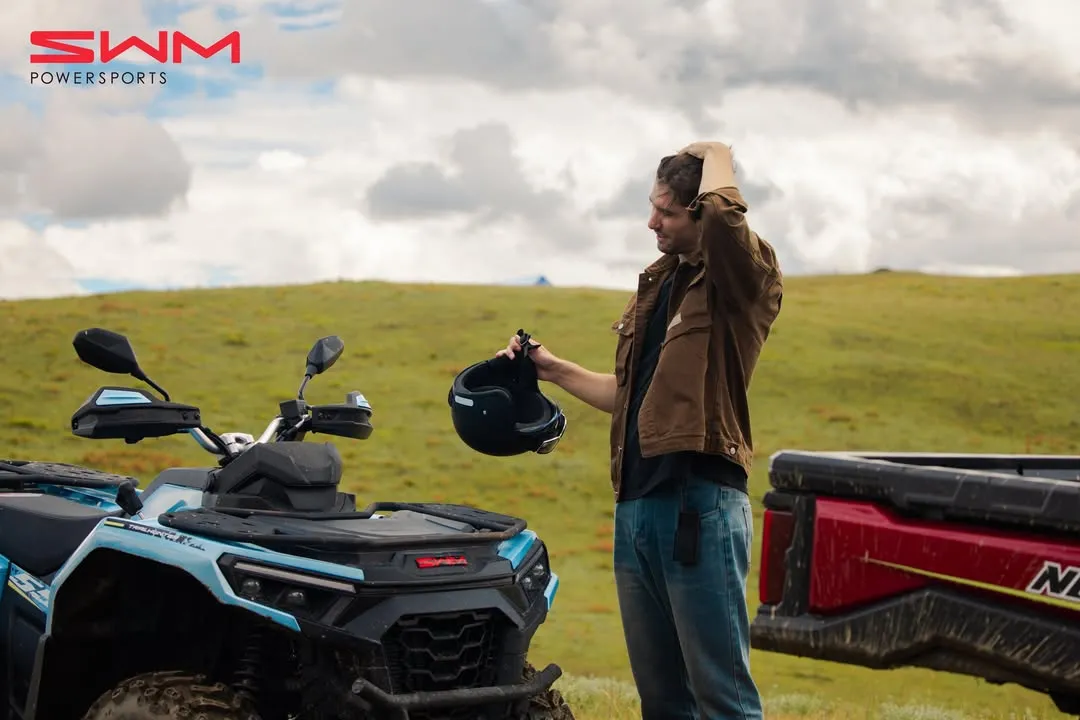
ATV advantages are primarily useful in that they can reach appropriate unpaved terrain, can move with flexibility via some tight routes, meet outdoor recreational needs, and assist with some routine land management duties. But ATVs aren't for every rider and every work situation. Knowing the pros and cons of all-terrain vehicles will help customers assess if this sort of vehicle is the right choice for their actual needs.
What Are the Main ATV Advantages?
What Are the Main Benefits of ATV?
1. Locate Appropriate Off-Road Terrain
One of the key advantages of ATVs is that they may go on suitable unpaved terrain that may not be acceptable for standard passenger cars. Some ATVs can be used on dirt roads, rough ground and dedicated off-road paths depending on the vehicle’s design, tires, ground clearance and drive system.
But being able to go off-road doesn't guarantee the car can go over any terrain safely. Deep muck, loose sand, steep slopes, rough terrain and slippery ground all create various driving challenges. Riders should inspect the terrain beforehand, stay on specified routes and operate the vehicle according to the manufacturer's regulations.
2. Easier Handling in Narrow Trails
The vehicle has a more compact body arrangement than larger off-road vehicles. Changing direction on limited paths can be easier. This method of riding also lets riders alter their body posture accordingly when taking appropriate curves and uneven ground.
There is considerable advantage in this flexibility for authorized off-road pathways and some land work settings with restricted space. Nevertheless, real handling performance still depends on vehicle dimensions, steering structure, tires, speed and ground conditions. The risk of driving is not reduced just because the body is narrower. Riders still need to control their speed and provide enough room to avoid obstructions.
3. Enjoy the Outdoors in Different Places
ATVs are popular for leisure riding, off-road trail exploration and other outdoor activities where the usage of such vehicles is authorized. An ATV is an alternative mode of transport for those who desire to travel outside in places set aside for riding rather than on the roads.
Different types are suitable for different hobbies and settings. Some riders are more interested in handling on regular off-road trails, while others want setups that can handle more complicated terrain. So, while selecting a model, consider what you plan to do, rather than expecting one ATV to cover all your riding needs.
4. Supporting Routine Property Maintenance
Some ordinary everyday work on farms, ranches and big private properties can be done with ATVs. Depending on the rated capacity of the vehicle and suitable equipment, it may be used to move between work sites, deliver modest amounts of supplies, or assist with certain land management operations.
Special attention must be given to vehicle specs when the repair includes racks, tow equipment, or other attachments. Buyers should be aware of the vehicle’s characteristics and functional configuration in relation to manufacturer-specified load and towing restrictions and accessory compatibility requirements prior to use of associated equipment. Just because a vehicle can traverse rough ground doesn’t mean it has the capacity to properly transport or tow whatever weight you want.
5. A More Compact Option for Individual Riding
ATVs are often made for one rider, which is a good fit for people who don’t need more than one seat. A smaller body design may be more practical if you’re riding off-road alone or doing some work that doesn’t require many passengers.
But also the limits of use are set by the seat design. Passengers shall not travel on any model unless such model has been specifically constructed and approved to carry additional passengers. Refer to the owner’s handbook for seating requirements, occupant limitations and other operational instructions before purchase and usage.
6. Takes Up Less Space Than Many Larger Vehicles
Because ATVs tend to be less bulky than many UTVs and other utility vehicles, they can be easier to store in a garage, shed, or dedicated equipment storage area. This is useful for customers who have limited storage space or those who wish to store several outdoor equipment.
However, storage requirements are still model-dependent. The buyer should evaluate the general dimensions of the vehicle, the space required for normal inspection and maintenance, the mode of transport and the equipment and accessories carried with the vehicle. There should also be sufficient room for safe loading, unloading and security of the vehicle.
7. Match Vehicle Features with Different Tasks
Each ATV is set up differently, and real use depends on how well the vehicle’s attributes fit the job at hand. The suitability of the vehicle for a certain scenario depends on several factors, such as drive system, ground clearance, suspension, tires, storage layout, and rated load.
For example, users who mostly ride recreationally on authorized trails may place more emphasis on handling and riding comfort, while users who need to manage land may place more priority on load limitations and accessory compatibility. Instead of picking a car based on engine displacement, it is more beneficial to compare these particular attributes as a whole.
What Are the Restrictions of an ATV?
While there are many benefits to ATVs, purchasers need to be aware of their shortcomings before purchase.
Limited Occupant Capacity: Most ATVs are built primarily for a single rider and not suitable for replacing multi-passenger vehicles unless the specific model is designed for additional passengers.
Limited cargo space: ATVs can carry some supplies, but the actual carrying and towing capacity is dependent on the vehicle’s rated specs and permitted equipment. Another truck type may be required for larger loads.
No complete environmental protection when riding: ATVs don’t usually shield the rider from rain, wind, dust and splashes like enclosed cars do. Driving can be hard in off-road environments as well, which can also be transient.
Some operating skills are needed: steering, braking, body position adjustments and slopes require the right know-how. A automobile that is easy to drive on flat ground might not behave the same on challenging or slippery terrain.
Safety hazards: loss of vehicle control, collisions and rollovers may cause serious harm. Riders shall be appropriately protected and trained to drive and to meet the manufacturer’s operational parameters.
Some ATV safety tips associated by the U.S. Consumer Product Safety Commission (CPSC) are: helmets, protection measures and safe driving. Riders should also examine local rules, regulations and access limitations applicable to the location in which they intend to ride.
ATV vs UTV: Which One is Right for You?
ATVs and utility terrain vehicles (UTVs, sometimes called side-by-sides) have some overlapping applications, but aren't quite designed for the same things. What is more appropriate is largely a function of occupant needs, cargo requirements, topography and actual use of the vehicle.
When to purchase an ATV
If you typically ride alone, prefer the ride style and handling of a standard four wheel ATV, or like a smaller rig then an ATV may be a better alternative. Smaller body also makes it easier to maneuver in tight places and on suitable off-road tracks.
But performance still depends on model and terrain. Buyers should not assume that all ATVs can be used on small trails or challenging ground, and should check the vehicle dimensions, rated capabilities and operation requirements.
When a UTV Might Be Better
If you need to carry more passengers, more gear or want a side-by-side seating arrangement, then a UTV would be a better choice. Some UTVs may additionally include cargo beds, towing capacity, or other occupant protection arrangements, depending on the model’s design.
Not all models provide these capabilities. Check the rated load, towing constraints and safety configurations before buying to find out if the vehicle can fit work or leisure reasons.
ATVs and UTVs differ in sitting position, seating arrangement and cargo capacity. These are items to consider when deciding if you need the option of going solo or a vehicle that will be more suitable for hauling many persons and goods. Neither type has a universal benefit or disadvantage in all situations.
How to Choose the Right ATV for You
Before buying an ATV, consider what kind of conditions you will be using the vehicle for. SWM offers cars for various off-road riding and practical needs. Buyers should compare various models according to their real use, instead of deciding based just on engine size.
When you buy, here are some important considerations:
Actual Use: State if the vehicle is used primarily for off-road recreation, land maintenance or other allowed uses. diverse types of functional demands may mean diverse uses.
Terrain conditions: Consider what surfaces and paths you're most likely traveling on day to day. Suitable for ground clearance, tyres, driving system and suspension. But no setup can assure the vehicle's safe crossing of any terrain.
Load Requirements: Estimate of supplies to be transferred and whether towing work is required. Check the manufacturer's load and towing ratings and the corresponding limits when employing accessories or additional equipment.
Rider Experience and Fit: Select a vehicle that fits the rider’s experience, physical condition, and ability to operate. If you are a newbie, focus on proper instruction in driving and practice driving in restricted and approved places.
Total cost of ownership: Look beyond purchasing price. Think also about protective gear, routine maintenance, fuel, transportation, storage, relevant insurance costs and possibly registration or permit fees.
Before buying, check the vehicle’s rated capabilities, intended usage and safety standards against the planned circumstances of operation. See the specifications and owner’s handbook for the particular vehicle type.
Are ATV Benefits Worth the Cost?
ATVs can provide fairly good access to unpaved terrain, some degree of handling versatility, outdoor recreation opportunities, and assistance with some land management chores. But whether these benefits are worth the purchase depends on whether they meet real needs and whether the vehicle has the proper terrain, load and rider suitability.
The best ATV is not one with the biggest engine size or the most features but one whose design, rated capabilities and operational requirements are actually compatible with the riding and job tasks you want to perform.
-
Oct 20 2026
learn more
 ATV vs UTV for Snow Plowing: 5 Key Differences
-
Oct 19 2026
learn more
 ATV Advantages: 7 Benefits Every Buyer Should Know
-
Oct 15 2026
learn more
 How UTVs Make Everyday Ranch Work Faster & Easier
-
Oct 14 2026
learn more
 What's the Difference Between an ATV and a UTV?