Is EPS Worth It on an ATV or UTV? Electric Power Steering Explained
Jul 23 2026
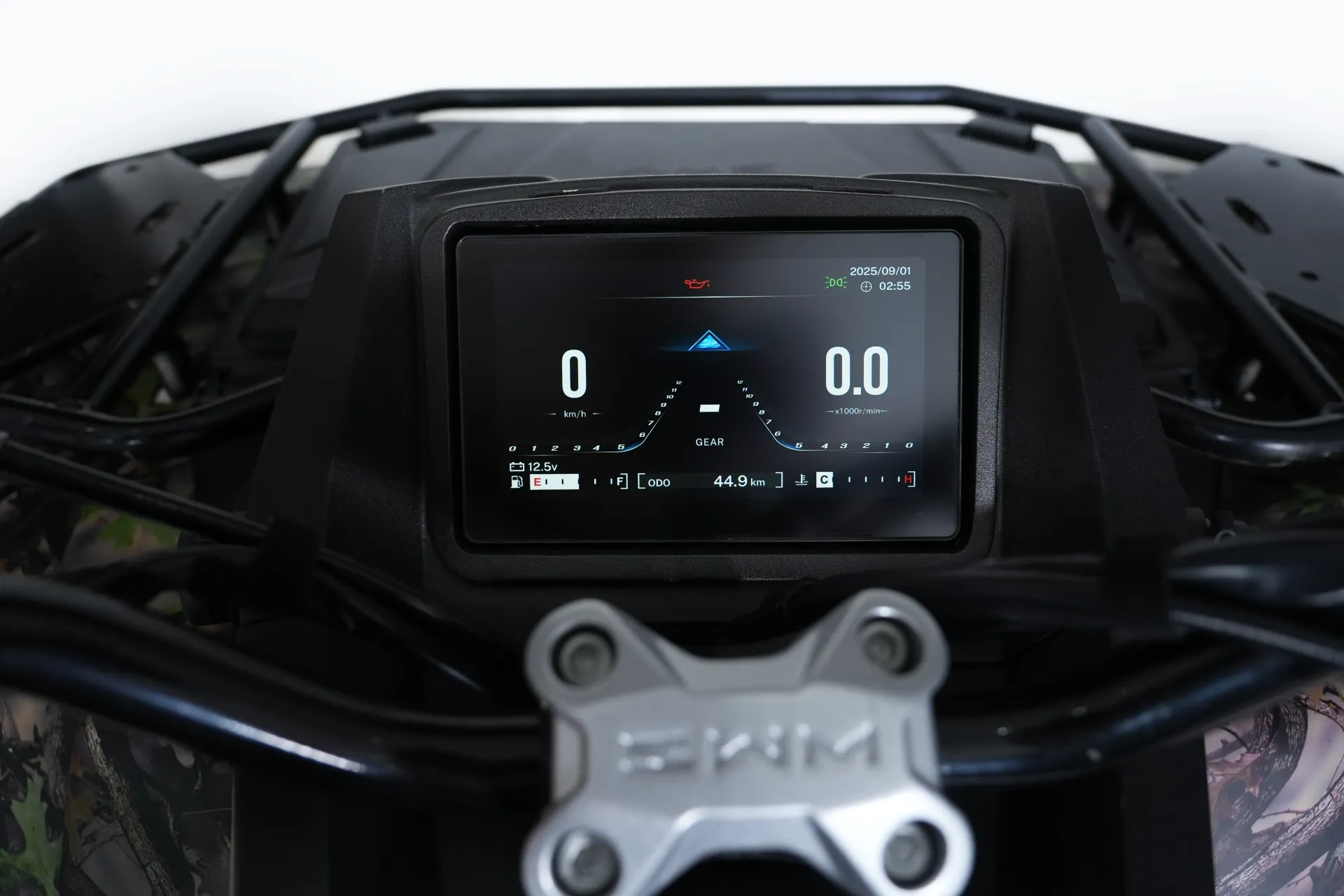
In the world of off-road driving, when riding on rocky roads, muddy terrain or complex mountain paths for a long time, what often causes the most fatigue is not the engine, but the soreness in the arms and shoulders. Sudden road impacts (bump steer) can even cause the handlebars to rebound violently, affecting driving safety. At this point, EPS (Electric Power Steering, electric power assistance steering) becomes the choice of an increasing number of ATV and UTV owners.
Is EPS really worth the extra investment? What are its practical implications for ATVs (all-terrain vehicles) and SXS/UTVs (side-by-side vehicles)? This article will comprehensively analyze the working principle, advantages and disadvantages, and applicable scenarios of EPS, and help you make an informed purchase decision. Whether you are a leisure explorer, a farm worker, or a family cycling enthusiast, this guide can provide you with practical and global advice.
What is EPS? Explained - The Working Principle of Electric Power Steering
EPS (Electric Power Steering) is an intelligent electric power-assisted steering system. It uses electric motors installed on the steering column or the intermediate shaft to automatically provide auxiliary torque based on the vehicle speed, steering angle, and road resistance, making the steering process easier.
Unlike traditional manual steering, EPS does not rely on hydraulic pumps but achieves precise assistance through electronic sensors and controllers:
At low speeds (such as when climbing rocks, mud pits or making turns): Provides maximum assistance, significantly reducing the burden on the arms.
At high speeds: Automatically reduces assistance while maintaining road feel and stability.
Additional feature: Absorbs road shock with damping, reducing handle feedback.
Many high-end vehicles have made EPS a standard feature or an optional high-end option. Compared to the old hydraulic assist system, EPS is lighter, consumes less energy, and is easier to integrate with modern electronic systems, making it suitable for use in different climates and terrains around the world.
Key Advantages of EPS (Pros)
The greatest appeal of EPS lies in its ability to significantly enhance the overall riding experience. Here are the key benefits:
Significantly reduce fatigue: After long-distance off-road riding, the burden on the arms and shoulders is significantly reduced, making it particularly suitable for all-day trail cycling or work scenarios. Many owners have reported that with EPS, "you won't feel tired even after riding all day".
Enhance handling safety: Effective damping "bump steer" prevents strong rebounds when the wheels hit rocks, tree roots, or potholes, reducing the risk of loss of control. This is crucial for safety, especially at high speeds or in complex terrains.
Friendly for heavy loads and work scenarios: When towing trailers, carrying loads, or performing farm work, the steering resistance increases. EPS can easily handle this, making the vehicle more stable and controllable.
Compatible for modifications: After installing large-sized off-road tires, tracks, or accessories, the steering often becomes heavier. EPS can perfectly balance it.
More comfortable for family and group rides: The multi-passenger feature of UTVs combined with EPS allows the elderly, women, or children to enjoy off-road fun easily.
Overall, EPS has enabled ATV/UTV to evolve from a "functional tool" to a "comfortable companion", significantly enhancing the satisfaction of global riders.
Potential Disadvantages and Considerations (Cons)
Every technology has its pros and cons, and EPS is no exception:
Additional Costs: Typically adds $500-$1500 to the new car price (depending on brand and model). Entry-level budget users should weigh this carefully.
Slightly Increased Weight and Complexity: A slight increase in weight may require specialized service during repairs (however, modern EPS systems are highly reliable).
Power Assist Failure Scenarios: In extreme situations (such as battery problems), steering will revert to manual mode, feeling heavier, but still safe to handle.
Changes in Road Feel: Some pure manual enthusiasts who crave "raw feedback" may find the power assist "too light."
Maintenance Tips: Regularly check the battery voltage and fuses. Most issues are straightforward to solve. During the warranty period, there is little to worry about.
EPS vs Non-EPS: Quick Comparison
Aspect | Non-EPS (manual steering) | EPS (Electric Power Steering) | Recommended scenarios |
Steering force | Heavier, especially at low speeds / heavy loads | Significantly reduced | Long-distance / complex terrain |
Riding fatigue | High | Low | All-day cycling / work |
Safety (impact absorption) | Significant rebound | Effective damping | Rocky / off-road roads |
Initial cost | Lower | Higher (+500 - 1500 dollars) | Comfort priority |
Maintenance difficulty | Simple | Slightly complex but reliable | - |
Applicable population | Short-distance, sporty, with a limited budget | For households, farms, long-distance travel, and modification enthusiasts | Most modern users |
From the comparison, it can be seen that for the majority of cyclists, the benefits of EPS far outweigh the costs.
Who Needs EPS the Most? Recommended Application Scenarios
Users who should strongly consider using EPS:
Long-distance trail enthusiasts and explorers.
People such as hunters and farmers who need heavy-load operations.
Family/group cycling (with UTVs showing more advantages).
Women, older riders or those who wish to reduce physical strain.
Owners who have modified large tires or accessories.
Optional or deferred: Short-distance flat road cycling, ultra-lightweight sportive ATVs, for users with very limited budgets.
ATV vs UTV: Due to its heavier body and more complex steering characteristics, EPS is almost "essential" for UTVs; hand-held models of ATV can also significantly benefit, especially in off-road scenarios.
From a global perspective, the North American deserts/mudlands, European mountains, and Asian-Pacific agricultural terrains all prove that EPS can be valuable in diverse environments.
Will EPS Enhance the Off-road Performance?
Many people mistakenly believe that EPS will automatically assist the vehicle in steering. In fact, EPS merely provides steering assistance and does not replace the driver's control of the vehicle.
The driver still needs to complete it by themselves:
Control the steering direction
Select the driving route
Turn operation
Precisely control the vehicle position
What EPS does is to reduce the turning resistance and absorb the impact from obstacles such as rocks, tree roots and ruts, thereby minimizing the rebound force on the steering wheel or the steering gear. Therefore, it enhances driving confidence and comfort rather than taking over the control of the vehicle for the driver.
Conclusion: Is EPS worth it?
Yes, for the vast majority of ATV and UTV users, EPS is absolutely worth it. The reduced fatigue, improved safety, and overall comfort it provides make every off-road trip more enjoyable and safer. The extra cost will be quickly recouped with countless easy turns.
SWM POWERSPORTS' Utility ATV and Side-by-Side series are designed for work and off-road needs. With features such as four-wheel drive, high ground clearance, and robust suspension, combined with EPS technology, they provide users with a more relaxed, stable, and reliable driving experience.
-
Jul 23 2026
learn more
 Is EPS Worth It on an ATV or UTV? Electric Power Steering Explained
Is EPS Worth It on an ATV or UTV? Electric Power Steering Explained
Is EPS Worth It on an ATV or UTV? Electric Power Steering Explained
-
Jul 22 2026
learn more
 How to Choose the Perfect Sand Tires for Your ORV
How to Choose the Perfect Sand Tires for Your ORV
How to Choose the Perfect Sand Tires for Your ORV
-
Jul 22 2026
learn more
 ATV Inspection Checklist: 10 Essential Checks Before Every Ride
ATV Inspection Checklist: 10 Essential Checks Before Every Ride
ATV Inspection Checklist: 10 Essential Checks Before Every Ride
-
Jul 20 2026
learn more
 Common Towing Mistakes Every ATV & UTV Owner Should Avoid
Common Towing Mistakes Every ATV & UTV Owner Should Avoid
Common Towing Mistakes Every ATV & UTV Owner Should Avoid