ATV & UTV Towing Capacity Explained: Choosing the Right Capacity
Jul 15 2026
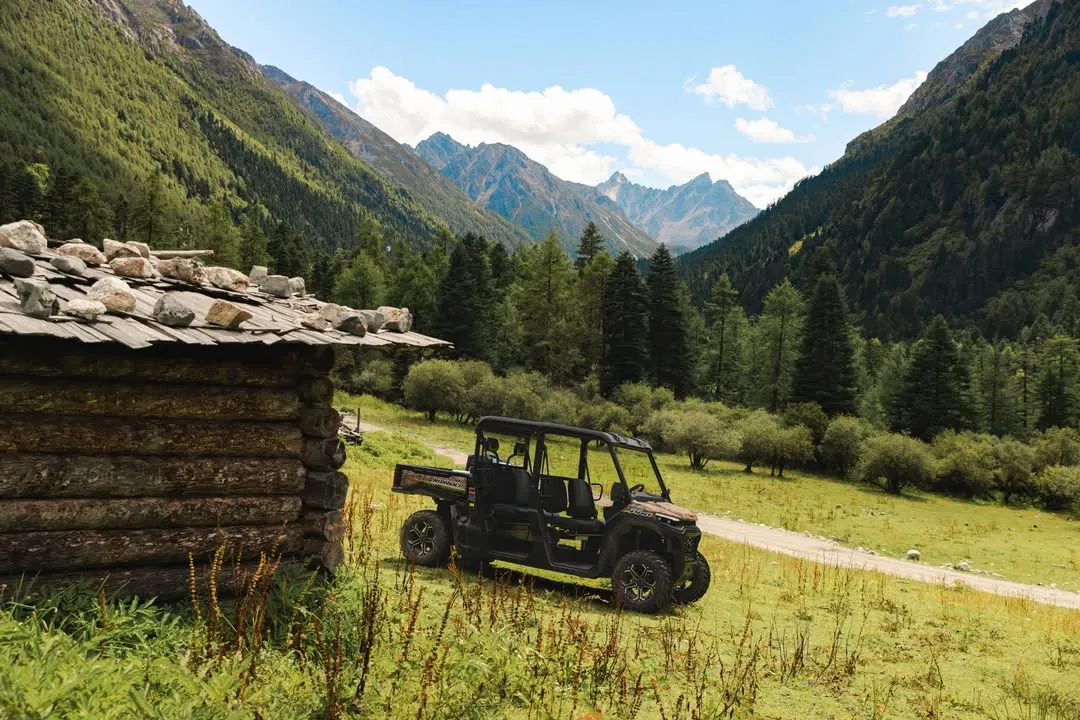
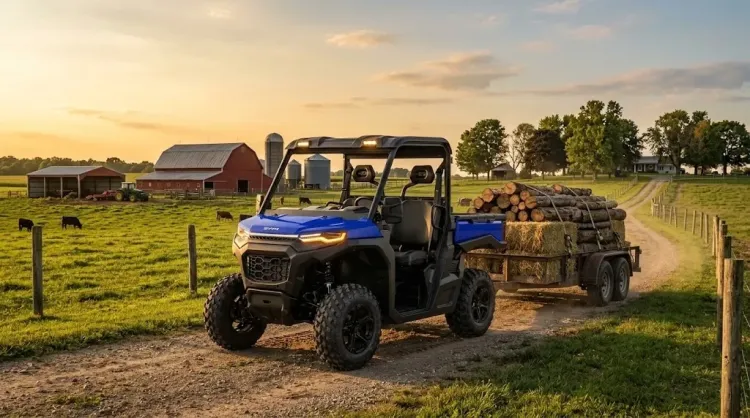
In outdoor activities, ATVs (all-terrain vehicles) and UTVs (multi-purpose off-road vehicles) often undertake important transportation tasks. From hauling camping equipment to clearing farm debris, and even transporting hunting catches, the towing capacity of a vehicle directly determines how much work it can accomplish for you. But here's the question: Do you really need such a large towing capacity?
Towing capacity is not "the bigger, the better". An excessively large capacity may bring unnecessary weight, fuel consumption and costs, while insufficient capacity can lead to safety hazards and inefficiency. This article will help you rationally assess the truly necessary towing capacity.
What is Towing Capacity?
Towing capacity refers to the maximum weight a vehicle can safely tow under certain conditions, typically including the total weight of the trailer itself and any cargo on board.
Many people easily confuse towing capacity with load capacity.
The biggest difference between the two is:
l Load capacity: The weight of people and cargo that the vehicle itself can carry.
l Towing capacity: The total weight of trailers and cargo that the vehicle can tow.
Understanding the difference between the two will help you choose a vehicle model that is more suitable for your work.
How Much Towing Capacity is Needed For Different Work Scenarios?
Most people's usage scenarios can be divided into three categories, precisely corresponding to different traction load standards, without blindly using high-end configurations.
Light recreational riding is the most common use case, primarily for outdoor camping, short hunting trips, carrying firewood, and small gardening tools. It typically involves a small trailer, and the terrain is mostly flat lawns and compacted dirt roads. For these scenarios, the towing load is low, and a standard basic load capacity is sufficient. Blindly choosing a heavy-duty vehicle will result in a cumbersome and less maneuverable ride, negatively impacting the recreational riding experience.
Small to medium-sized backyards and family farms have moderate towing needs. They mainly transport feed, gardening equipment, cover soil, branches and waste materials, or light livestock transport. The terrain is mainly gentle slopes, gravel roads, and soft grass. It's important to note that bulk materials such as sand and feed have high density and are easily overloaded. Load calculations must be based on the trailer's maximum load capacity to avoid hidden overloading.
Large farms and simple outdoor projects are heavy-duty scenarios, requiring the towing of large material trailers, bales of hay, heavy tools, water tanks, and medium-sized livestock trailers. These often involve complex terrain such as steep slopes, muddy roads, and gravelly slopes. These scenarios often involve long-term continuous heavy loads and frequent uphill climbing, which places extremely high demands on vehicle power and load-bearing stability, necessitating the selection of load-bearing specifications with sufficient margin.
If you're looking for a utility vehicle for farm work, ranch management, or property maintenance, explore SWM Utility ATV and Side-by-Side lineup to compare towing capability, cargo capacity, and work-ready features.
Use Cases | Recommended models |
Routine farm inspections | Trailhunter 580 |
Transportation for small and medium-sized ranches | Trailhunter 1000 |
Transportation for forest farms | Nomader 720 |
Construction sites | Nomader Crew 1000 EPS |
Hunting camps | Nomader Hybrid ULT |
What Factors Affect Towing Performance?
The traction performance of an ATV or UTV depends not only on official specifications but is also affected by a variety of factors.
Engine power
When towing heavy loads, torque is often more important than horsepower. Sufficient low-speed torque can help the vehicle start, climb hills and negotiate complex terrain more easily.
four-wheel drive system
For environments such as mud, sand or slopes, the four-wheel drive system can provide better traction and improve towing stability.
vehicle weight
The heavier the vehicle, the more stable it is when towing and less likely to be affected by trailer swing.
terrain conditions
If it is on terrain with high resistance such as mountain roads, mud, and sand, the actual weight that can be safely towed is often lower than the official data.
How to Calculate the Towing Capacity You Need
For the average person, no professional calculations are needed. A simple formula can determine the suitable load capacity: empty trailer weight + heaviest single load weight + weight of passengers and tools on board. Then, add a 10%-30% safety margin based on road conditions (10% for flat roads, 30% for complex, muddy, and steep slopes). The final value is your minimum suitable towing load capacity. Selecting a model according to this standard can eliminate the risk of overloading and avoid wasting performance.
Conclusion
The core principle of choosing an ATV or UTV is not to pursue the highest towing parameters, but to match them according to actual needs. By considering your own working environment, maximum cargo weight and road conditions, and leaving a reasonable safety margin, you can select a vehicle that combines safety, practicality and cost-effectiveness. Avoiding parameter anxiety and precisely matching the load requirements can enable the vehicle to reach its maximum usage value.
-
Sep 10 2026
learn more
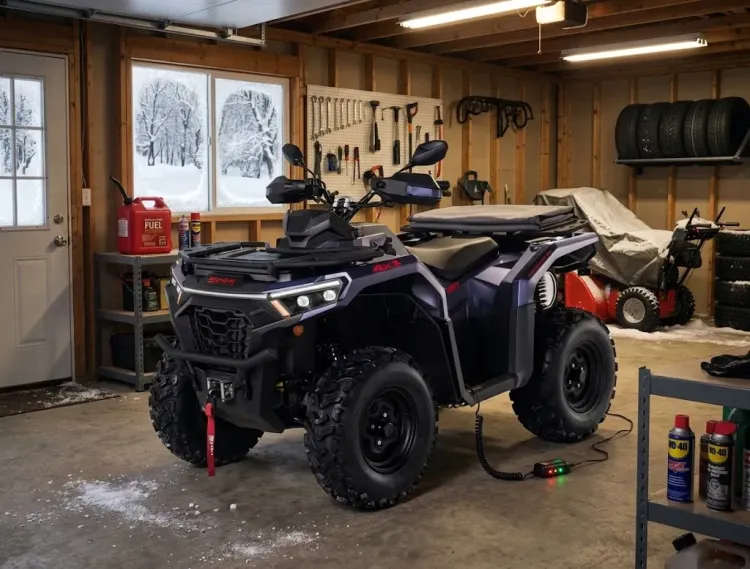 How to Prepare Your ATV for Winter Storage
How to Prepare Your ATV for Winter Storage
How to Prepare Your ATV for Winter Storage
-
Sep 09 2026
learn more
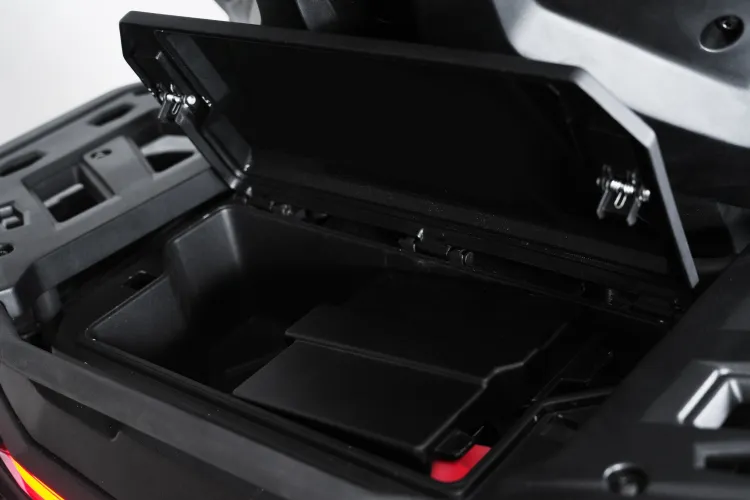 ATV Payload Capacity Guide: What You Need to Know
ATV Payload Capacity Guide: What You Need to Know
ATV Payload Capacity Guide: What You Need to Know
-
Sep 07 2026
learn more
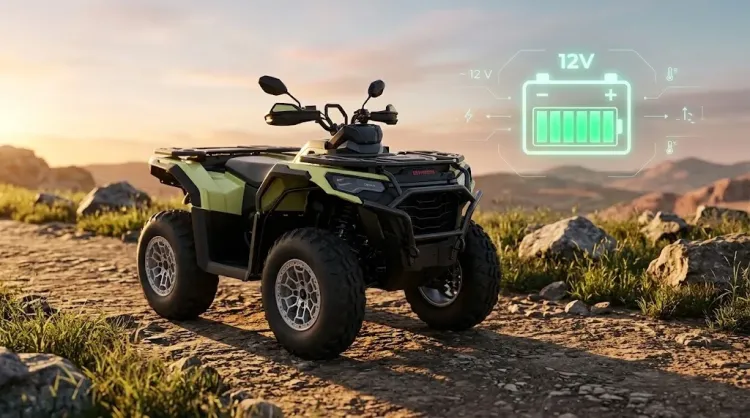 How Long Do ATV Batteries Last? 5 Crucial Factors & Lifespan Guide
How Long Do ATV Batteries Last? 5 Crucial Factors & Lifespan Guide
How Long Do ATV Batteries Last? 5 Crucial Factors & Lifespan Guide
-
Sep 07 2026
learn more
 UTV Towing Capacity: Chart, Limits, and 5 Tips for Heavy Loads
UTV Towing Capacity: Chart, Limits, and 5 Tips for Heavy Loads
UTV Towing Capacity: Chart, Limits, and 5 Tips for Heavy Loads