ATV vs UTV vs RTV: 8 Key Differences to Choose the Right Vehicle
Jul 28 2026
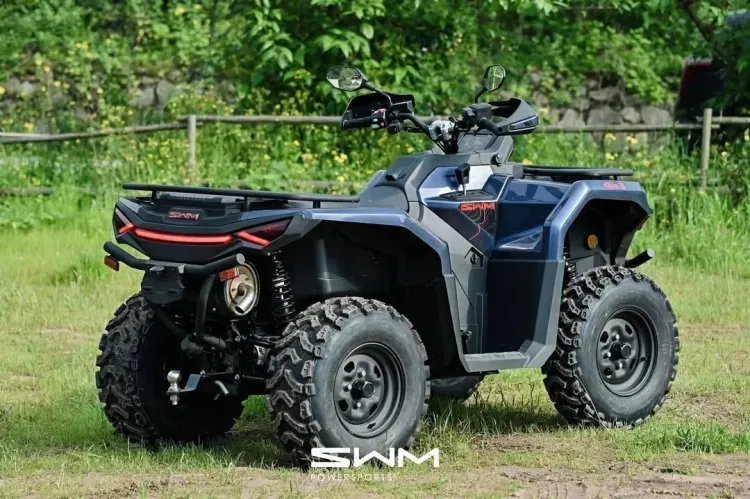
So you’re stuck deciding between atv vs utv vs rtv.
Chances are, you’re really just trying to answer one practical question: which one actually fits my farm, my property, or the way I work?
Pick the wrong one, and you’ll notice it pretty quickly. Maybe not on day one. But soon enough. Your productivity will dip. You might find yourself upgrading way earlier than you planned. And the total cost? That creeps up on you faster than you expect.
Let’s get one thing straight from the start. All three are off-road utility vehicles. They can all handle mud, rocks, and uneven ground. But that’s about where the similarity ends. Their design goals are completely different. Their load capacities are different. And the driving experience? Night and day.
Here’s the real trade-off you’re making: how much do you value speed? How much do you need to carry? And how many people are coming along for the ride?
This article walks you through the definitions, the core specs, and then eight specific differences. The aim is to help you make a confident choice—based on what you actually do every day, not on what looks good in a brochure.
What Are ATVs, UTVs, and RTVs?
Before we dig into the details, let’s clear up the names. People mix these terms up all the time. But in the industry—and especially when you’re talking to dealers or reading spec sheets—each one means something very specific.
Think of it this way.
ATVs are built for one person. You need to move fast and stay nimble.
UTVs are built for multiple people and multiple tasks.
RTVs? They’re built for heavy, grunt-level work. The kind that happens at a crawl.
What Is an ATV?
An ATV (All-Terrain Vehicle) is a lightweight, single-rider machine. You sit on it like a motorcycle. You steer with handlebars. You shift your body weight to help it turn and stay balanced.
Some people call them quads. Or four-wheelers.
They’re brilliant for one person who needs to check fence lines, zip through narrow orchard rows, or do a quick lap around the property. They’re fast, agile, and easy to maneuver in tight spots.
What Is a UTV (Side-by-Side / SxS)?
A UTV (Utility Task Vehicle) is a completely different animal. You sit side-by-side with your passenger. You steer with a wheel. You have foot pedals. And you’re protected by a roll cage—the industry calls it ROPS.
You’ll also hear people call them side-by-sides, or SxS for short.
They usually seat anywhere from 2 to 6 people. And they come with a proper cargo bed in the back. UTVs are the Swiss Army knife of the off-road world. They can haul heavy gear and tools like a small truck. But they still move at a good clip across rough ground. That’s why they’re so popular on farms, ranches, and job sites where you need a little bit of everything.
What Is an RTV?
RTV stands for Rugged Utility Vehicle. In practice, the term is closely tied to brands like Kubota and other heavy-duty industrial manufacturers.
At first glance, an RTV looks a lot like a UTV. It has a steering wheel and side-by-side seating. But don’t let that fool you. The engineering underneath is totally different.
An RTV is all about low-speed, high-torque, grunt-level work. It’s less like a truck and more like a compact tractor with a cargo box. It’s built to pull, push, and haul heavy loads. It is not built for speed or trail riding.
Are ATV, UTV, and RTV the Same Type of Vehicle?
No. Not really.
They all handle off-road conditions, sure. But ATVs focus on solo agility. UTVs focus on versatility. And RTVs focus on heavy, dedicated work.
ATV vs UTV vs RTV Quick Comparison Table
Here’s a quick snapshot of how they stack up. Think of this as your cheat sheet before we dive deeper.
Feature | ATV (All-Terrain Vehicle) | UTV (Side-by-Side / SxS) | RTV (Rugged Utility Vehicle) |
Steering & Seating | Handlebars / Straddle seat (1 person) | Steering wheel / Side-by-side (2–6 people) | Steering wheel / Side-by-side (2–3 people) |
Driving Style | Fast and agile | Fast transport + heavy hauling | Low-speed, heavy work |
Powertrain | Gasoline, electric (some models) | Gasoline, diesel, hybrid, electric | Mostly diesel or torque-focused engines |
Cargo & Bed Capacity | Limited front/rear racks | 600 to 1,000+ lbs | 1,000+ lbs (often with hydraulic dump) |
Primary Use | Quick checks, narrow trails, light solo tasks | Multi-purpose farm work, patrols, crew transport | Heavy dirt work, small tractor replacement |
ATV vs UTV vs RTV: 8 Key Differences You Should Know Before Buying
Discovering what they are is only half the battle, however. When it comes to purchasing one, there are specifics you need to keep in mind when shopping for one. We've listed eight areas where these machines excel:
1. Purpose and Best Uses: Farming, Ranching, Trail Riding, and Work Applications
Design of a vehicle reveals where its strengths will shine brightest. You can’t swap roles without losing something.
ATV: These are built for solo, agile work. Think about zipping through a narrow orchard. Or racing out to a far fence line to check for damage. Their light weight makes them perfect for that kind of quick hit.
UTV: This is the ultimate multi-tasker. You can load the cargo bed with water tanks, tools, or feed. Then you can drive a crew of workers across the property. If you need a machine that handles daily farm work and occasional trail riding in one package, the UTV is tough to beat.
RTV: This one is for pure work. And we mean heavy work. Plowing, pushing dirt, hauling gravel. It doesn’t have a recreational bone in its body. It’s strictly business.
2. Speed and Performance: Which Vehicle Is Faster?
ATVs and UTVs can both move pretty fast. But the actual top speed depends on engine size and overall design. The real difference is in how they use that power.
ATV: They get their power from high-revving gasoline engines. Lightweight and quick off the line. If you’re curious about just how fast they can go, it’s worth checking how fast an ATV can go. That helps you balance patrol speed against safety.
UTV: They combine high horsepower with long-travel suspension. They hold a good cruising speed even when they’re loaded down. That’s a huge plus for large farms or industrial sites where you move people and materials across long distances.
RTV: This is where the RTV falls short if speed is your thing. The diesel engine and low gearing lock the top speed at about 20 to 35 mph. If your work is spread out over a big area, an RTV will cost you time on those long trips.
3. Payload and Towing Capacity: Which One Can Carry More?
Here’s the bottom line. UTVs and RTVs come with real cargo beds. ATVs don’t—they just have small metal racks. That difference comes down to frame strength and suspension design.
ATV: You can use the front and rear racks for light tools and gear. But you have to be careful. The weight sits high, and you have to shift your body to keep balance. On a slope, a heavy load can get dangerous.
UTV: You get a proper cargo bed with a tailgate. Many utility-focused UTV models offer cargo capacities approaching or exceeding 1,000 lbs depending on configuration. And towing capacity often goes over 2,000 pounds, depending on the model and options.
RTV: The cargo bed on an RTV is extremely tough. And here’s the kicker—most come with a hydraulic dump bed as standard. You can dump gravel, soil, feed, or heavy equipment without leaving your seat. Just press a button. That’s a huge time-saver when you’re moving bulk materials.
4. Handling, Vehicle Width, and Trail Access: Where Can They Go?
Vehicle width, wheelbase, and overall weight dictate where it can actually go.
ATV: These are designed with relatively narrow widths. That makes them easier through narrow trails and gates. Plus, they’re so light they won’t sink into soft sand or wet ground.
UTV: You’re looking at a wider footprint. It needs wider paths. But that extra width comes with benefits. Independent rear suspension and long travel keep all four wheels on the ground over rough terrain. Better traction, smoother ride.
RTV: These machines are heavy. The suspension is stiff—tuned for carrying heavy loads. In deep mud, low-range four-wheel drive and locking differentials help you plow through. But watch out on a wet, manicured lawn. That weight can tear up the grass roots.
5. Safety and Comfort: Which Is Better for Long Rides?
This isn’t just about comfort. A smoother ride means less fatigue. And less fatigue means you work longer and safer.
ATV: You’re completely exposed. No roll cage. You need a helmet, goggles, and gloves at all times. Riding for hours takes a toll on your body.
UTV: You get a certified ROPS roll cage, seat belts, doors, and you can even add a windshield. The bucket seats and long-travel suspension soak up the bumps. You’ll feel fresher at the end of the day.
RTV: You get the same reliable roll cage and seat belts as a UTV. That’s the good news. The not-so-good news? The suspension is dialed in for heavy loads. Drive it empty or light, and it feels stiff and bumpy. You’ll feel more of the trail than you would in a UTV.
6. Maintenance and Total Ownership Costs
The sticker price is only part of the picture. You have to think about the total cost over the life of the machine.
ATV: Cheapest to buy. Simple drivetrain. Most routine maintenance—changing the spark plug, cleaning the air filter, changing the oil—is easy to do yourself in the garage. Parts are cheap.
UTV: You pay more upfront. Many UTVs include additional systems like CVT transmissions, differentials, and electronic accessories. Maintenance is a bit more involved. But the versatility and productivity usually justify the cost.
RTV: Highest initial cost. The diesel engine is incredibly durable and fuel-efficient over long periods. But if something goes wrong with the hydraulic pump, lines, or specialized drivetrain, you’ll likely need a professional mechanic who knows agricultural equipment.
7. Fuel Type and Operating Efficiency
The engine type has a big impact on fuel burn, especially during long hours of low-speed work.
ATV: Most run on gasoline. Some new models are electric. Gas is easy to find, and they start well in cold weather. Great for quick, intermittent use.
UTV: The market is mostly gasoline—good horsepower and quick throttle response. But you can also find heavy-duty models with diesel, hybrid, or fully electric options.
RTV: Almost always run on small diesel engines. Diesels produce peak torque at low RPM. That means when you’re idling for long periods or pulling heavy loads at low speeds, they use noticeably less fuel than a gasoline engine of the same size.
8. Customization and Accessories
The range of aftermarket parts tells you how versatile a machine can become.
ATV: The aftermarket is focused on small things. Rack bags, small winches, handheld sprayers. Electrical output is limited, so you can’t add too many power-hungry accessories.
UTV: This is where the UTV really shines. The aftermarket ecosystem is massive. You can add snow plows, large generators, high-pressure spray tanks, LED light bars, and even fully enclosed cabs with heat and air conditioning. You can use a UTV in winter, spring, summer, and fall.
RTV: Accessories are all about agriculture and earthmoving. Think rear three-point hitches, hydraulic dozer blades, and heavy-duty tow hooks. Very practical, but not much fun.
Which Vehicle Is Right for You? Choose Based on Your Real Needs
To avoid wasting money, match your choice to what you do most often.
Pick an ATV if your work involves narrow trails and tight spaces.
Pick a UTV if you need speed for large areas, and you need to carry people and cargo.
Pick an RTV if you mostly do low-speed pulling, pushing, or dumping within a small area.
Choose an ATV If You Need:
Solo, Fast Patrol – You ride through dense woods, narrow orchard rows, or tight trails.
To Control Your Initial Budget – You want a low-cost, easy-to-maintain vehicle for carrying light hand tools on fence checks.
Easy Transport – You need a machine that fits in the back of a standard pickup truck.
Choose a UTV (SxS) If You Need:
Versatility – You need to carry 2 to 6 workers and a bunch of gear to worksites that are miles apart.
Work and Play – You need to haul cargo during the week, but you want to take the family trail riding on the weekend.
All-Weather Work – You want to add enclosed doors, heat, and a snow plow so you can work all year round.
Choose an RTV If You Need:
A Small Tractor Alternative – Your work is all on a single field or job site. You need to tow heavy implements at low speeds.
Frequent Dumping – You need to dump gravel, dirt, or wet manure with a hydraulic bed, and you don’t care about going faster than 30 mph.
Longevity – You want a machine with a diesel engine that can run for thousands of hours under heavy load.
Think about this scenario. You manage a big farm. Your work areas are miles apart. If you buy an RTV, it will handle the heavy seed bags just fine. But the slow speed will waste a lot of time on the road. If you buy a commercial-grade UTV, it can carry the same weight and get there much faster.
FAQ
Q1: Can an RTV go as fast as a UTV?
Usually not. The gearing and engine are tuned for pulling and heavy work. Most RTVs top out around 20 to 35 mph. Most UTVs can easily hit 45 to 70 mph.
Q2: Is an RTV considered a Side-by-Side (SXS)?
In many ways, yes. It has a steering wheel and side-by-side seats. But in the industry, SxS usually means a UTV focused on versatility or recreation. An RTV is its own category—built for slow, heavy farm work.
Q3: Do I need a special license to drive an ATV, UTV, or RTV?
On private land, a farm, or a private job site, you usually don’t need a special license. But if you plan to drive on public roads, state parks, or designated trails, check local laws. You may need to register the vehicle and have a standard driver’s license.
Conclusion: Choosing Between ATV, UTV, and RTV
If you need a machine that balances transport speed, cargo capacity, and off-road performance, a UTV is often the sweet spot. But your actual choice should always come down to your daily tasks, the terrain you drive on, and the loads you need to move. Don’t just buy the biggest or fastest thing on the lot.
If you’re looking for a UTV built for tough work environments, take a look at SWM utility vehicle options. Compare the configurations and find the one that fits your job.
-
Oct 23 2026
learn more
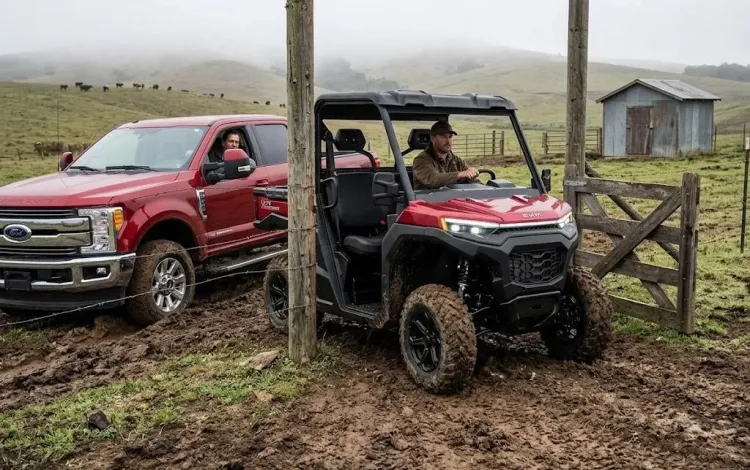 Is a Side-by-Side Considered a Motor Vehicle in the US?
Is a Side-by-Side Considered a Motor Vehicle in the US?
Is a Side-by-Side Considered a Motor Vehicle in the US?
-
Oct 22 2026
learn more
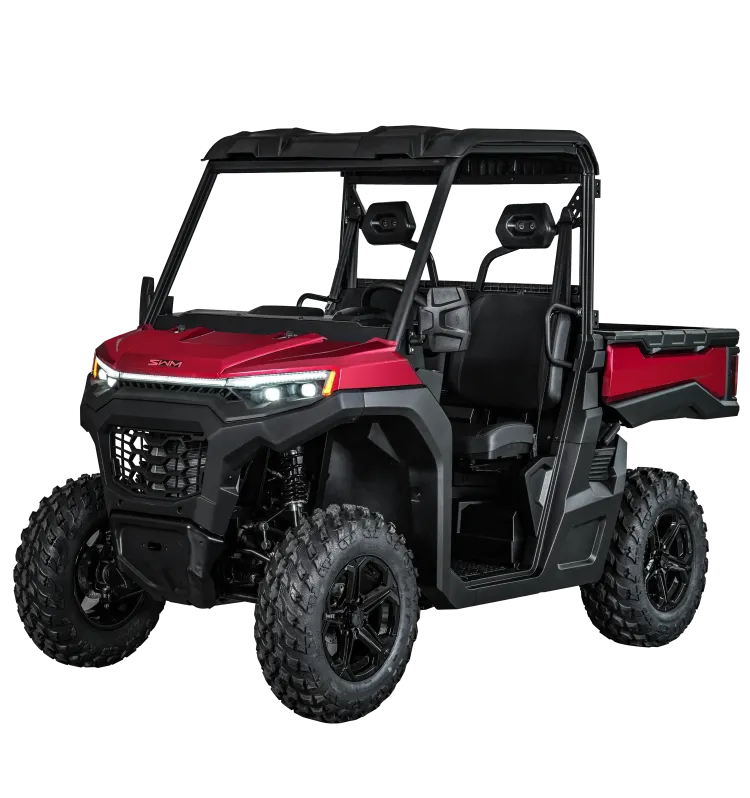 How Much Does a 4-Seater Side-by-Side Weigh for SWM UTV?
How Much Does a 4-Seater Side-by-Side Weigh for SWM UTV?
How Much Does a 4-Seater Side-by-Side Weigh for SWM UTV?
-
Oct 23 2026
learn more
 How to Plan a Weekend ATV Adventure
How to Plan a Weekend ATV Adventure
How to Plan a Weekend ATV Adventure
-
Oct 20 2026
learn more
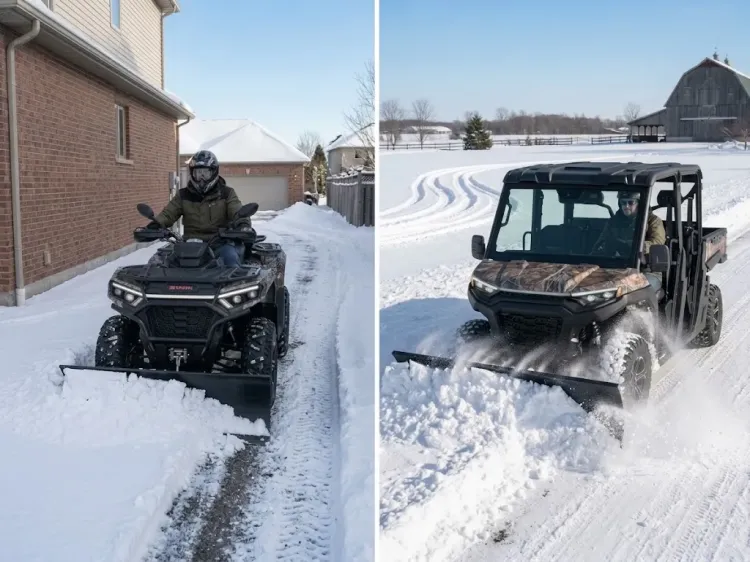 ATV vs UTV for Snow Plowing: 5 Key Differences
ATV vs UTV for Snow Plowing: 5 Key Differences
ATV vs UTV for Snow Plowing: 5 Key Differences