How to Plan a Weekend ATV Adventure
Oct 23 2026
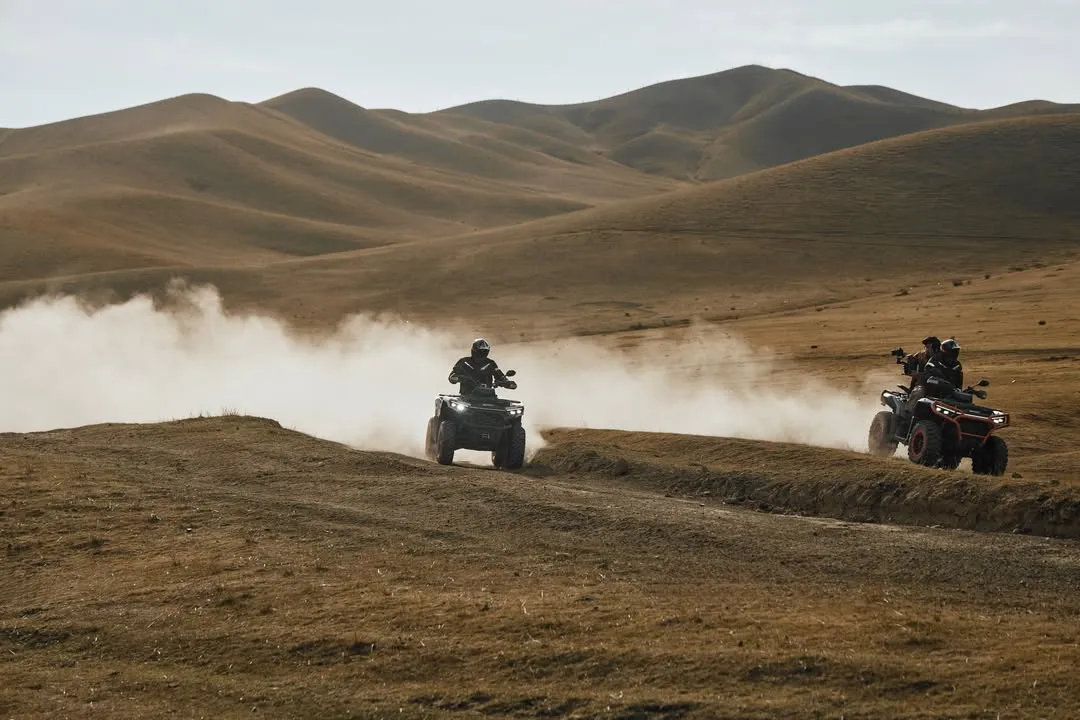
Sometimes the best weekends are the ones where you just leave town for a couple of days. Throw the ATV on the trailer, point it somewhere with trails, and forget about emails for 48 hours. You don’t need a full week off to make it worth it. A solid weekend is often enough — new trails, a few friends, and a break from the usual routine.
Here’s what I’ve found actually helps before you head out.
Pick a place that matches what you actually want to ride
First question: what kind of weekend are you after? Quiet forest roads and scenery, or rocky climbs and technical stuff? Your destination should fit both your skill level and the mood you’re in.
For a low-stress trip, a proper ATV park or designated riding area is usually the easiest. Multiple loops, marked trails, nowhere to get properly lost. If you’d rather mix in some camping or lakeside stops, look for areas that sit close to those things. Just don’t pick somewhere that takes half of Saturday to reach. Two or three hours of driving is about the sweet spot for most people towing a trailer.
And check the rules before you go. Plenty of forest roads and public land still ban motorized vehicles, and some places need permits or reservations. Five minutes of googling can save you from rolling up to a locked gate.
Keep the schedule simple
Biggest mistake is trying to cram too much into two days. Pick one main riding area and build everything around that.
Saturday is usually the big day. Get there early enough to unload, do a quick once-over on the machine, and get a feel for the first trail. Plan a couple of stops rather than grinding until everyone’s wiped. You don’t need a minute-by-minute itinerary, but knowing roughly how long the loop takes and where you can pull off for a drink helps.
Sunday can stay looser. Shorter ride, a scenic lookout, or just a proper breakfast at camp before packing up. Leaving some breathing room also means weather or a flat tire doesn’t wreck the whole trip.
If you’re with a mixed group, agree on the route beforehand. What’s easy for one rider can feel sketchy to someone else.
Sort the machine and the gear at home
A basic check the night before saves a lot of headache on the trail. Tires, brakes, lights, fuel, whatever the manual says. Fix it now, not in the parking lot.
Same goes for gear. Properly fitting helmet, eye protection, gloves, long sleeves and pants, decent boots. Weather changes fast, so throw in a light rain jacket and an extra layer. A small pack with water, snacks, first-aid kit, phone, and a power bank is enough for most day rides.
If you’re towing, give the trailer and straps a once-over too. And figure out where you’ll park and unload when you arrive — some places are tighter than they look online.
Leave room for the non-riding parts
The best bits of these weekends often happen after you kill the engine. Camping is an easy way to stretch the trip: cook something simple, sit outside, and wake up already there. Prefer a bed? Look for a cabin or motel within a short drive of the trails.
A short hike, a picnic, or just hanging at a viewpoint gives everyone a break — especially useful if some of the group aren’t riding. Just double-check the practical stuff. Some campsites don’t allow ATVs or trailers, and not every motel has space for them.
Rough out the money side
It doesn’t have to be expensive, but costs add up quietly. Fuel for the truck and the ATV, any trail fees or permits, lodging or camping, food. If you still need gear or the machine needs a service beforehand, factor that in so it doesn’t feel like a surprise.
You don’t need a spreadsheet down to the dollar. A realistic estimate plus a bit of buffer is usually enough.
Safety stays on the list the whole time
Pick trails that match your experience and what the machine can handle. New area? Start easy and work up. Ride at a pace you’re comfortable with, leave space between bikes, and don’t feel obligated to follow anyone onto something that looks sketchy.
Check the weather more than once. Rain turns trails sideways fast; heat wears you out quicker than you expect. Carry water, take breaks, and be willing to cut the ride short if things turn.
Tell someone where you’re going and when you expect to be back. In a group, pick meeting points and a plan for if someone gets separated. Wear whatever the local rules require and stick to them.
Think about whether the ATV still fits what you do
If these weekend trips are becoming regular, it’s worth asking whether the machine still matches the kind of riding you actually enjoy. Trail-focused riders want different things from people who like rougher, more technical terrain. Comfort, suspension, handling, and how easy it is to transport and maintain all matter once you’re doing this more than once or twice a year.
Look at how you actually use it — the places you go, the distances, the level of challenge — rather than chasing one fancy spec.
SWM Powersports has a range of models aimed at different off-road styles. Comparing a few can help narrow it down to something that fits the way you ride.
-
Oct 23 2026
learn more
 Is a Side-by-Side Considered a Motor Vehicle in the US?
-
Oct 22 2026
learn more
 How Much Does a 4-Seater Side-by-Side Weigh for SWM UTV?
-
Oct 23 2026
learn more
 How to Plan a Weekend ATV Adventure
-
Oct 20 2026
learn more
 ATV vs UTV for Snow Plowing: 5 Key Differences