How Much Does a Side-by-Side Weigh?
Aug 28 2026
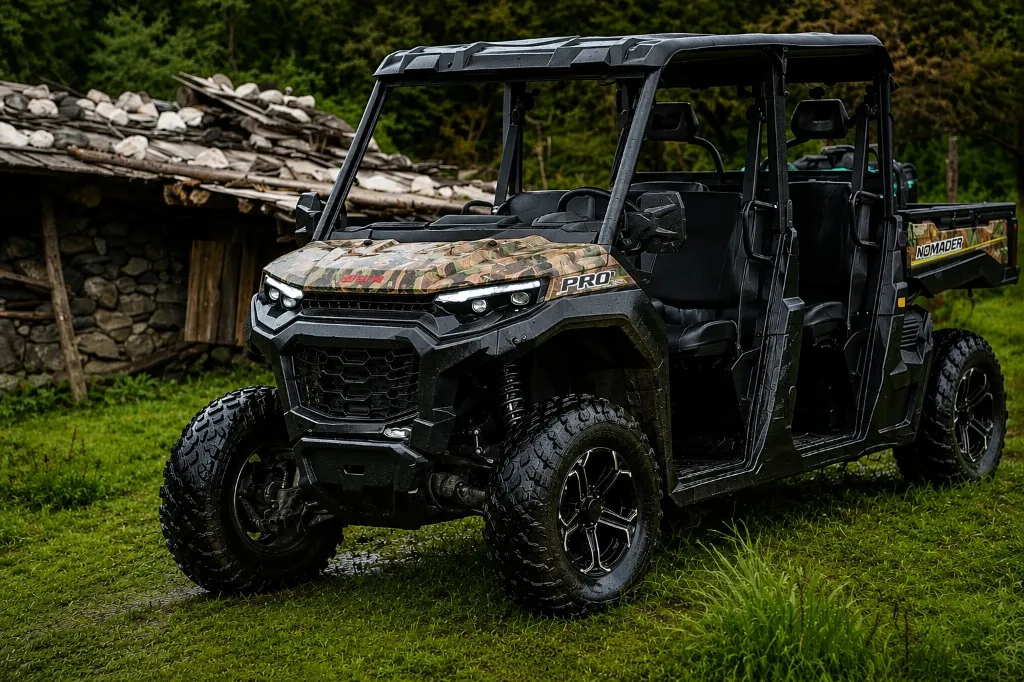
An average 2-seater side-by-side (UTV) has a dry weight of roughly 1,500 to 1,700 lbs and a wet/wet-equipped weight of 1,600 to 1,800 lbs (with fuel, fluids, and basic gear).UTV weights vary widely by intended use, but you can quickly estimate a rig's weight using its class and seating capacity.
Core Category | Sub-Models Covered | Dry Weight Range | Key Uses & Features |
1. Utility | Farm/work models 2/3-seat single-row heavy-duty rigs 4–6-seat crew/patrol models hydraulic dumping work rigs | 1,200 – 2,700 lbs (544 – 1,225 kg)
| High payload, dumping cargo bed, strong low-end pulling power (e.g., Polaris Ranger, Can-Am Defender) |
2. Sport | 2-seat sport models wide-track desert racers, mud/rock crawlers, 4-seat long-wheelbase sport models | 1,250 – 2,500 lbs
(567 – 1,134 kg)
| Focus on power-to-weight ratio, long-travel suspension, high-speed desert/dune riding (e.g., Can-Am Maverick X3, Polaris RZR) |
3. Crossover | 2-seat rec-utility models 4-seat hunting/camping rigs multi-purpose rec-utility vehicles | 1,450 – 2,250 lbs
(658 – 1,021 kg)
| Balances hunting/camping cargo capacity with trail-riding performance (e.g., Yamaha RMAX, Polaris General) |
4. Youth / Entry-Level | Single-seat/2-seat mini UTVs Youth practice rigs | 400 – 900 lbs
(181 – 408 kg) | Small displacement (100–200cc), lower speed, speed-limiting safety features (e.g., Polaris RZR 200) |
What factors have the biggest impact on a side-by-side's weight?
Frame & Steel Thickness: Tougher UTVs use double the steel and extra bracing to handle hard abuse—that’s where most of the weight lives.
Extra Seats: Going from 2 to 4–6 seats means a longer frame and a much bigger roll cage, instantly adding 300–500 lbs.
Engine & Power: Big automotive-style engines (or heavy EV batteries) add 150–400 lbs over basic two-cylinder motors.
Heavy-Duty Parts: Monster shocks, wider suspension arms, beefy axles, and big tires add up fast.
Gear & Fluids: Add a winch, bumpers, windshield, and a full tank of gas, and you've tacked on another 100–300+ lbs.
How Weight Affects Performance & Utility?
Handling: Light UTVs are nimble and float easily over deep mud or dunes without sinking. Heavy UTVs stay planted and feel much safer at high speeds.
Work Capacity: Heavier frames and stronger brakes allow work rigs to haul up to 1,000 lbs in the bed and tow serious loads.
Hauling It Around: If your rig hits 2,500+ lbs with gear, you'll need a bigger truck and a dual-axle trailer to tow it safely.
Lawn & Trail Damage: Heavy 4-seaters can tear up soft grass and leave deep ruts in farm fields.
-
Oct 15 2026
learn more
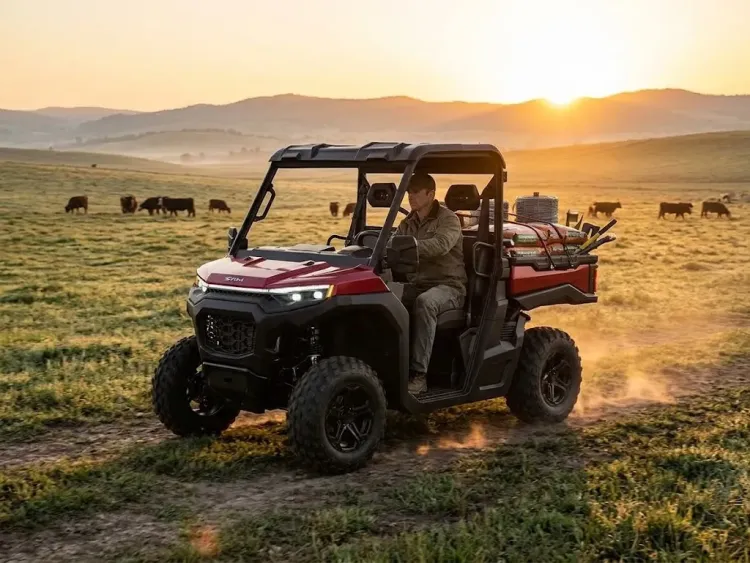 How UTVs Make Everyday Ranch Work Faster & Easier
How UTVs Make Everyday Ranch Work Faster & Easier
How UTVs Make Everyday Ranch Work Faster & Easier
-
Oct 14 2026
learn more
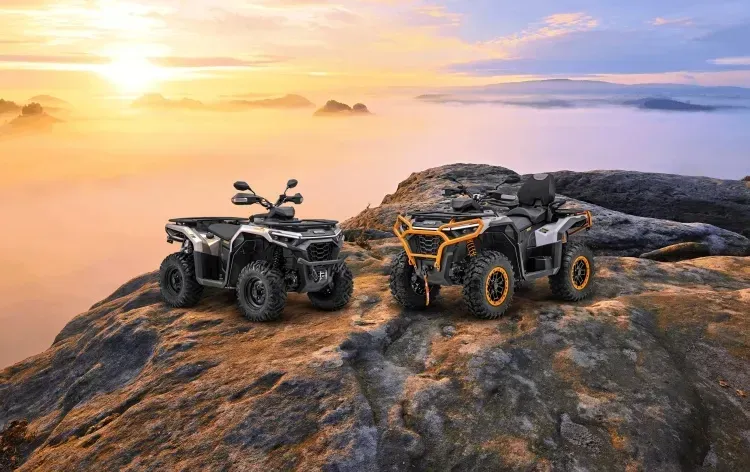 What's the Difference Between an ATV and a UTV?
What's the Difference Between an ATV and a UTV?
What's the Difference Between an ATV and a UTV?
-
Oct 14 2026
learn more
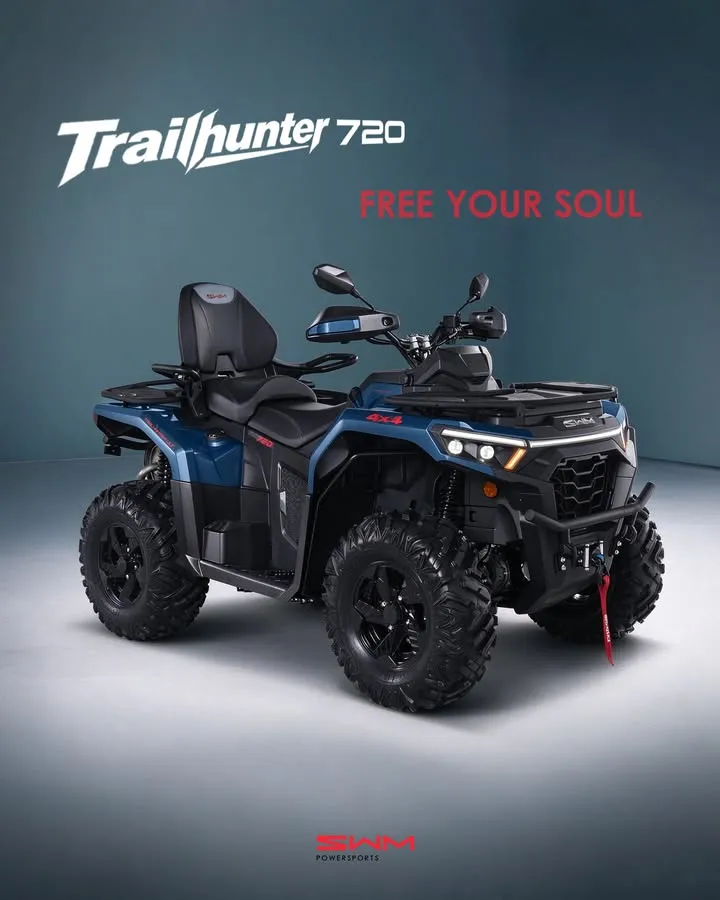 Should I Buy an ATV or UTV for My Farm?
Should I Buy an ATV or UTV for My Farm?
Should I Buy an ATV or UTV for My Farm?
-
Oct 14 2026
learn more
 What Are Good Alternatives for Side-by-Side (UTV) Vehicle Insurance in the US?
What Are Good Alternatives for Side-by-Side (UTV) Vehicle Insurance in the US?
What Are Good Alternatives for Side-by-Side (UTV) Vehicle Insurance in the US?