What Are Good Alternatives for Side-by-Side (UTV) Vehicle Insurance in the US?
Oct 14 2026
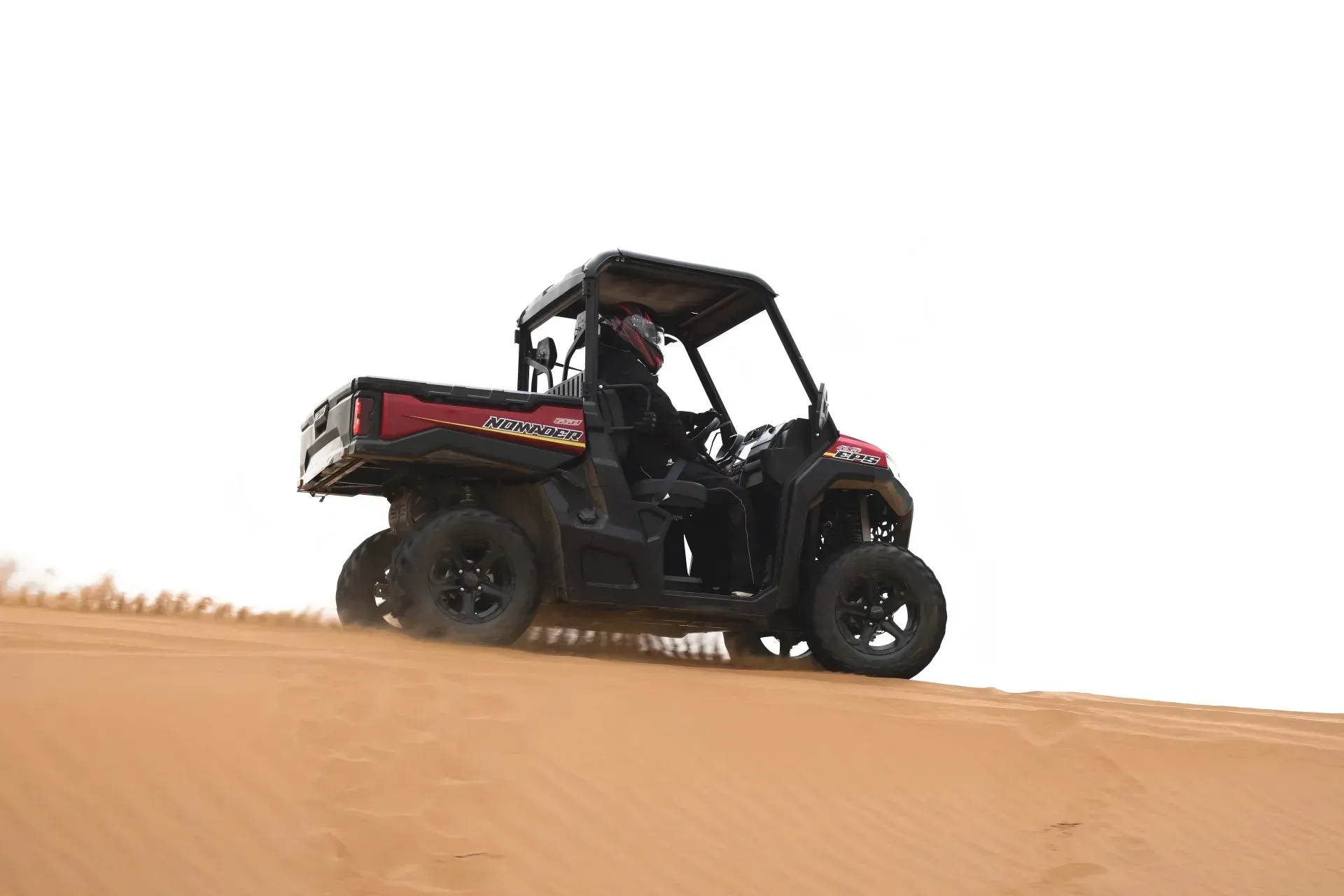
If you use your Side-by-Side (UTV or SxS) strictly on your own private land, you may be able to choose "self-insurance" under certain conditions. However, if you plan to ride on public trails, drive on public roads, or use your machine for farm or commercial operations, there is no true "replacement" for proper UTV insurance.
A far more practical approach is matching your policy route to your actual vehicle usage: a farm policy endorsement, a bundled auto rider, a commercial policy, a personal umbrella policy, or lender-required full coverage.
The Most Important Warning: Standard homeowners insurance and regular personal auto insurance usually
If you own a Side-by-Side in the U.S., buying a separate standalone powersports policy isn't always the only—or even the most cost-effective—way to stay protected. Depending on how, where, and why you use your vehicle, several alternative insurance routes can help lower your costs, streamline your coverage, or eliminate protection gaps.
For Farmers & Property Owners: Call your home or farm insurance agent first to ask about adding an Off-Road Vehicle Endorsement.
For Trail Riders & Vacationers: The most affordable full-coverage route is usually bundling a UTV rider with your existing auto insurance policy.
For High-Value Machines & Heavy Passenger Use: Pair your base policy with a Personal Umbrella Policy or additional accessory rider to protect custom parts and passenger liability.
Top 6 Alternative Insurance Routes for UTV Owners
Strategy / Alternative | Best Used For | Primary Advantage | Main Limitation |
Homeowners Endorsement | Strictly private land use | Very low cost; simple setup | Zero coverage off private property |
Auto Policy Bundle | Trail riders wanting full coverage | Multi-policy bundling discounts | Subject to auto policy deductible structures |
Farm / Commercial Policy | Daily ag, farm, or business tasks | Covers business operations & workers | Excludes recreational trail riding |
Personal Umbrella Policy | High net worth & passenger safety | High liability limits ($1M+) | Requires a base policy underneath |
Street-Legal LSV Policy | On-road registered UTVs | Legal for public road driving | Higher premiums than trail-only plans |
Self-Insurance | Low-value UTVs on private land | Saves money on premiums | Extreme financial exposure for injuries/theft |
1. Homeowners or Farmowners Policy Endorsement
If you primarily use your UTV for maintaining your own property, farming, or gardening, buying a separate standalone powersports policy might be unnecessary.
How It Works: Add an Off-Road Vehicle Endorsement or Agricultural Machinery Rider directly to your existing homeowners or farmowners insurance policy.
What It Covers: Extends liability protection if someone is injured or property is damaged while operating the UTV on your land.
Best For: Property owners who rarely or never take their UTV off private land or onto public roads.
Important Limitation: Standard homeowners policies almost never cover property damage or liability once the UTV leaves your property line, nor do they cover theft or damage while transporting the UTV on a trailer.
2. Bundled Auto Insurance & Multi-Policy Riders
Many major national insurers (such as Progressive, GEICO, State Farm, and Allstate) allow you to add a UTV as a multi-vehicle endorsement or rider directly under your primary auto policy instead of writing an entirely separate standalone policy.
How It Works: The UTV is linked to your existing auto insurance account, giving you single-bill convenience and unlocking multi-policy bundling discounts.
What It Covers: Extends liability, uninsured motorist, and comprehensive/collision coverage under your main auto insurer.
Best For: Trail riders wanting comprehensive protection (theft, collision, medical) while maximizing bundling discounts with their existing car or truck insurance.
3. Commercial Ag or Small Business Policy
For small business owners, ranch operators, contractors, or landscapers, insuring a UTV under a personal policy leaves major coverage gaps.
How It Works: List the UTV as a piece of mobile equipment or utility gear under your Commercial General Liability (CGL) or Farm Owner’s Policy.
What It Covers: Protects against property damage, worker injury claims, and equipment liability incurred during commercial or agricultural operations.
Best For: Farmers, ranchers, construction workers, and land managers who use their UTV as a daily work tool rather than for recreational riding.
4. Personal Umbrella Policy (High-Limit Liability)
If your primary concern is avoiding catastrophic financial lawsuits (e.g., if a passenger is severely injured in a rollover accident), a standard liability limit may not offer enough protection.
How It Works: A Personal Umbrella Policy (PUP) provides secondary liability coverage (typically starting at $1,000,000+) that sits on top of your underlying home, auto, or recreational policy limits.
What It Covers: Significantly increases your liability limits if an accident on your property or trail leads to major medical bills or personal injury lawsuits.
Important Requirement: An umbrella policy cannot stand alone. Most insurers require you to maintain a qualified base UTV or recreational liability policy underneath it first.
Best For: UTV owners who frequently carry passengers, host trail rides on private land, or have substantial personal assets to protect.
5. Street-Legal / Low-Speed Vehicle (LSV) Insurance
In states that permit UTVs to be registered for public road use (such as Montana, Arizona, Utah, or South Dakota), standard off-road trail policies may not satisfy state-mandated motor vehicle laws.
How It Works: Once converted with required street safety gear (turn signals, mirrors, horn, license plate), register the machine as a Low-Speed Vehicle (LSV) or street-legal UTV and insure it under a street-legal off-road policy.
What It Covers: Satisfies state-mandated Bodily Injury and Property Damage minimums required for legal driving on municipal roads, paved county routes, or highway crossings.
Best For: Riders who have registered and modified their SxS for street-legal driving.
6. Self-Insurance (Private Property Use Only)
If your Side-by-Side is fully paid off (no financing or leasing requirements) and operated strictly on your own private, fenced land, state law may not legally force you to carry insurance.
How It Works: You forfeit collision and comprehensive coverage, opting to pay for any vehicle repairs, maintenance, theft replacements, or medical costs entirely out of pocket.
Best For: Low-value, older UTVs used exclusively for personal chores on private property.
High-Risk Warning: If a visitor, neighbor, or farm worker is injured by or on your vehicle, self-insuring leaves you completely exposed to severe property theft losses and personal liability lawsuits.
-
Oct 14 2026
learn more
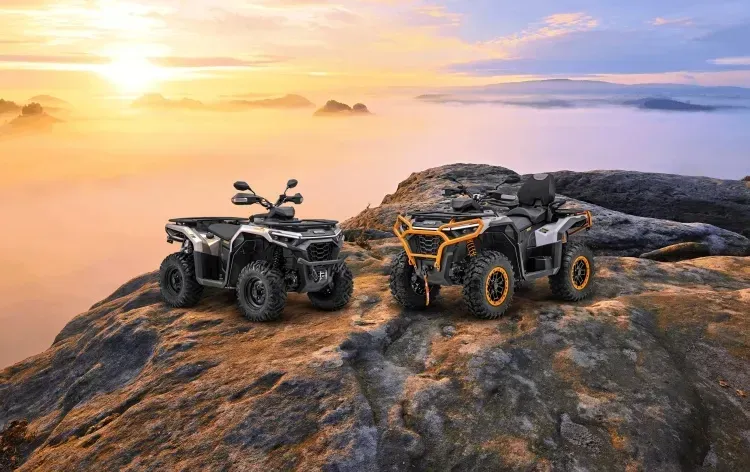 What's the Difference Between an ATV and a UTV?
What's the Difference Between an ATV and a UTV?
What's the Difference Between an ATV and a UTV?
-
Oct 14 2026
learn more
 Should I Buy an ATV or UTV for My Farm?
Should I Buy an ATV or UTV for My Farm?
Should I Buy an ATV or UTV for My Farm?
-
Oct 14 2026
learn more
 What Are Good Alternatives for Side-by-Side (UTV) Vehicle Insurance in the US?
What Are Good Alternatives for Side-by-Side (UTV) Vehicle Insurance in the US?
What Are Good Alternatives for Side-by-Side (UTV) Vehicle Insurance in the US?
-
Oct 14 2026
learn more
 How Long Do UTVs Last? Lifespan, Mileage & Key Factors
How Long Do UTVs Last? Lifespan, Mileage & Key Factors
How Long Do UTVs Last? Lifespan, Mileage & Key Factors