How to Change ATV Oil: Step-by-Step Guide for Beginners
Aug 11 2026
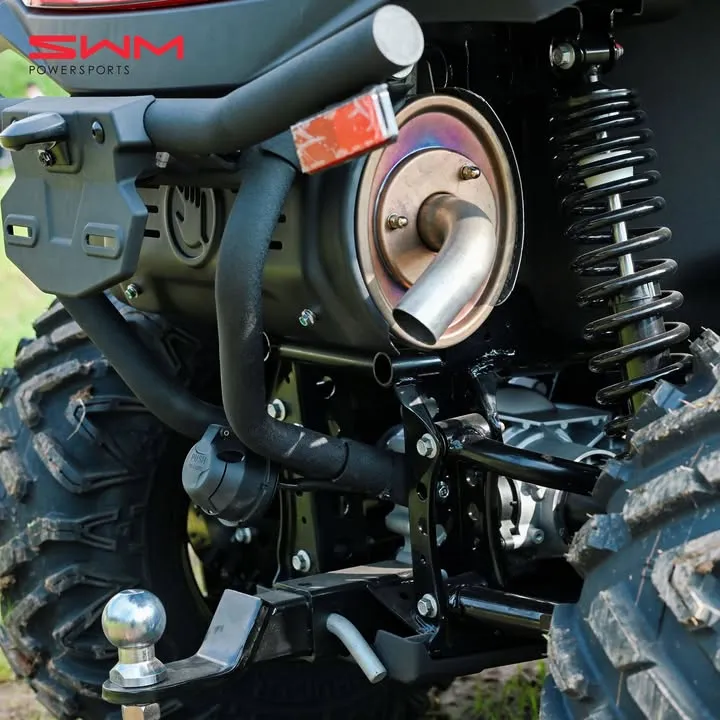
No matter if your ATV, (All-Terrain Vehicle) is mostly for off-road adventures, for hunting, for farm work, or just those everyday outdoor chores, swapping the engine oil on a regular basis is honestly one of the key maintenance moves. Fresh engine oil, keeps the internal engine pieces moving smoothly, keeps friction down, and it also helps move heat away. In other words it protects against premature wear and it can extend the engine’s life quite a bit.
The good news is that changing an ATV's engine oil isn't complicated. With just some basic tools and the right oil for your vehicle, most owners can complete the change in 30-60 minutes, saving on maintenance costs and gaining a better understanding of their vehicle's operating condition.
This article will detail the complete steps for changing an ATV's engine oil, the change interval, the necessary tools, and common mistakes to avoid, helping you easily complete this basic maintenance task.
Why Change ATV Oil and How Often?
The engine oil will gradually be contaminated by combustion products, metal debris, water and dust, losing its lubrication and cleaning capabilities. Timely replacement can reduce engine wear, maintain normal operating temperature, protect wet clutches (most ATV engines and clutches use the same type of engine and clutch oil), and improve reliability and resale value.
There is no unified standard for the replacement cycle of engine oil for ATVs. Always refer to the vehicle's user manual. However, for most models, the following suggestions can be followed:
Oiling period: 20-25 hours or 1 month or approximately 400-800 kilometers for the first time
Normal use: every 50-100 hours, 6 months or 1600-3200 kilometers
Intensive use (deep mud, sandy ground, water crossing, heavy load, high RPM, dusty environment, short cold start): the interval is halved (about 25-50 hours)
Even with a short usage time, it is recommended to replace the oil at least once a year or per season (oil absorbs moisture from the air)
Check the condition of the oil: pull out the dipstick to observe the color. If it appears dark, there are metal particles or burnt smell, it should be changed.
Choosing the Correct Oil and Filter
Key Reminder: Most ATVs use wet clutches, and only motorcycle/ATV-specific motor oil that complies with JASO MA or MA2 standards should be used. Regular car oil contains friction modifiers, which can cause the clutch to slip.
Viscosity: Commonly available viscosities are 10W-40, 5W-50, 0W-50, and 15W-50. Choose a higher viscosity or a fully synthetic oil for high-temperature or heavy-load environments; for cold regions, select a multi-grade oil with better low-temperature fluidity. Refer to the manual recommendations and local climate conditions.
Capacity: Most models have a capacity of approximately 1–2.8 liters (1–3 quarts). For example, many utility ATVs have a capacity of 1.9–2.6 liters. Measure the amount of old oil discharged as a reference.
Filter: Replace with a filter that matches the original factory model (threaded or cartridge type).
Additional Accessories: New drain plug gasket (recommended to replace each time to prevent leakage).
Tools and Materials Checklist
New engine oil + oil filter
Oil drain plug (with a capacity larger than the amount of oil)
Funnel
Socket wrench set (commonly in metric sizes 12–19mm, some may require internal hex or Torx)
Oil filter wrench
Clean cloth or paper towel
Nitrile gloves, safety goggles
User Manual
Recommendations: Torque wrench (to prevent the aluminum housing threads from loosening), spare oil drain bolts and washers, oil-absorbing pad or cardboard, Class B fire extinguisher.
Safety Precautions
Operate on flat ground and engage the parking gear / apply the parking brake.
Allow the engine to preheat for 2-10 minutes and then turn off (the oil temperature should be moderate, allowing it to flow easily without being too hot to touch).
Wear gloves and safety goggles. Old engine oil is toxic.
Keep away from open flames and sparks and prepare a fire extinguisher.
Do not over-tighten the oil drain bolts or the filter (aluminum crankcase is prone to seizing). The common torque range is approximately 16–30 Newton-meters (12–22 foot-pounds), as specified in the manual.
Old engine oil is a hazardous waste and must not be poured down the drain, onto the ground, or into regular garbage.
Step-by-Step Guide: Changing Engine Oil and Filter
The general procedure involves removing the seat or side panel, but the location of the filter and drain hole varies depending on the vehicle model.
1. Prepare the vehicle
Park the ATV on a flat surface, engage the parking brake. Start the engine and let it idle for 2-10 minutes to warm up the oil, then turn off the engine.
2. Approach the relevant components
Remove the seat, necessary side panels or guards according to the manual. Clean the oil drain bolts, the oil filler port and the surrounding area of the filter.
3. Drain the old oil
Place the oil drain pan below the oil drain bolt (usually at the lowest point of the crankcase, which may flow out through the guard plate hole). Open the oil filler cap to balance the pressure and accelerate the flow. Use the correct size wrench to loosen the oil drain bolt, and finally unscrew it by hand (be careful of hot oil spilling out). Let the oil drain completely (usually 5-15 minutes or longer).
4. Replace the filter
Move the oil drain pan under the filter. Use the filter wrench or hand to remove the old filter. Clean the installation surface. Apply a small amount of new oil to the new filter gasket. Screw on by hand until it contacts, then turn another 1/4-1/2 turn (or follow the torque specification), do not over-tighten.
5. Reinstall the oil drain bolt
Clean the bolt and threads. Install the new gasket. Screw in by hand first, then tighten with a torque wrench according to the specified torque.
6. Add new oil
Use a funnel to add approximately 80% of the recommended capacity of new oil from the oil filler port. Start the engine briefly for 30-60 seconds to fill the filter with oil, then turn off the engine and wait 1-2 minutes. Use the dipstick or observation window on a flat surface to check the oil level, and add to the "full" mark. Do not overfill.
7. Final inspection
Check for leaks at the oil drain bolt and filter. Replace all panels and the seat. Idle to the normal operating temperature and then recheck the oil level and leaks. Record maintenance information (hours, date, oil type).
Proper Disposal of Used Engine Oil and Environmental Requirements
Place the used engine oil and filter in a sealed container and take it to a local recycling center, auto parts store, or designated hazardous waste disposal site. In most countries and regions worldwide, indiscriminate dumping is prohibited; it is illegal and causes serious environmental pollution. Please consult local regulations (such as US EPA, EU regulations, Australian environmental requirements, etc.).
Common Mistakes When Replacing ATV Engine Oil
Many car owners tend to make the following mistakes when doing DIY maintenance:
Adding too much oil
Adding excessive oil may cause the internal pressure of the engine to rise, and even lead to damage to the sealing parts.
Using incorrect specifications of engine oil
Incorrect viscosity or non-compliant engine oil may affect the lubrication effect and even disrupt the normal operation of the wet clutch.
Did not replace the oil filter at the same time.
If only the oil was replaced while keeping the old filter, the new oil would soon be contaminated again.
Continuing to use the aged oil drain plug gasket
This is one of the most common reasons for oil leakage after changing the engine oil.
The oil drain plug or filter element is tightened too tightly.
Excessive torque may damage the threads and increase the difficulty of subsequent maintenance.
Conclusion
Changing your ATV’s oil regularly is one of the simplest and most effective ways to protect the engine and enjoy reliable performance. Follow this guide together with your owner’s manual, prioritize safety, and dispose of used oil responsibly. The manual remains the final authority for your specific machine.
-
Sep 24 2026
learn more
 Best UTV Accessories for Hunting: Build the Right Hunting Setup
Best UTV Accessories for Hunting: Build the Right Hunting Setup
Best UTV Accessories for Hunting: Build the Right Hunting Setup
-
Sep 23 2026
learn more
 what is the best side by side utv for hunting?
what is the best side by side utv for hunting?
what is the best side by side utv for hunting?
-
Sep 21 2026
learn more
 How Much Snow Can a UTV Side-by-Side Plow?
How Much Snow Can a UTV Side-by-Side Plow?
How Much Snow Can a UTV Side-by-Side Plow?
-
Sep 21 2026
learn more
 UTV Tire Pressure: How Much PSI Should You Run?
UTV Tire Pressure: How Much PSI Should You Run?
UTV Tire Pressure: How Much PSI Should You Run?