ATV Mud Riding: Tips for Safer Off-Road Adventures
Nov 04 2026
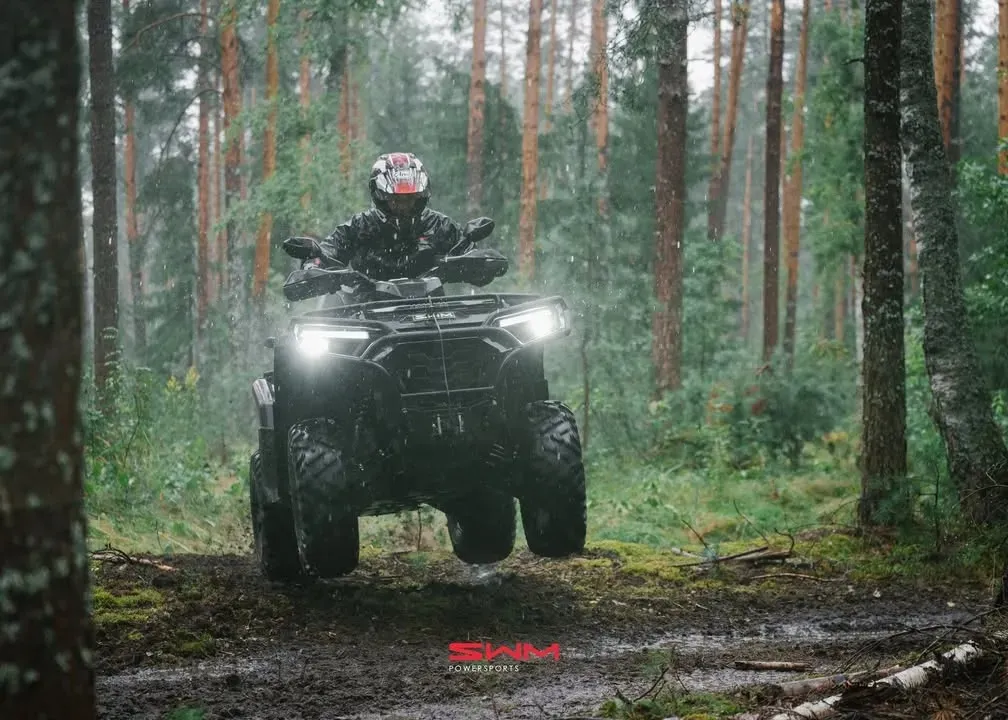
ATV mud riding places higher demands on a rider’s route judgment and vehicle control. Mud can impact steering and braking performance and tire traction. When running into mud holes of various depths, hidden ruts and soft ground, riders must use speed and operation suitable to the actual terrain and not just rely on a little more throttle to get through.
This article is about the things that really matter in whether or not an ATV mud riding excursion goes well: what you check before you depart, how you feed in throttle, how you pick a line, how you get unstuck and what you do after. Match your speed and inputs to the ground in front of you.
Prepare Your ATV Before Riding in Mud
The key to avoiding failures and getting stranded halfway through an ATV ride in muck is meticulous planning.
Check Tires and Tire Pressure
Check the tire tread for abnormal wear, cracks, cuts or foreign objects embedded in the tread and that the tread blocks are not seriously damaged.
Check tire pressure and make sure it is within the manufacturer’s standard for the model and tire configuration. Check tire pressure when tires are cold, if possible. Use a pressure gauge designed for the low pressure range of ATVs.
Mud tires: deeper blocks, wider gaps. That gives bite and lets mud clear out. But the tread has to suit the mud. Thin soup, thick clay, and shallow water over hard ground all behave differently. A deep block can dig you in as easily as it pulls you through.
Tire pressure: don’t air down just because it’s muddy. Too low and you can debead a tire, pinch a sidewall, or bang a wheel on a rock. Set pressure to the manufacturer’s spec for your model and tire.
Before you go crashing into the mud, undertake a pre-ride assessment of tires (condition and pressure), brakes, throttle, drivetrain noises, loose parts and obvious damage.
Check the Drivetrain and Protective Components
If the vehicle is equipped with a selectable 2WD/4WD system, ensure that the switching function is operating properly and operate it as indicated in the owner’s manual.
Listen for any unusual noises from the drivetrain and check for any loose parts or obvious damage.
Before you become stuck, make sure you know how to use the front differential lock on your ATV. The first time you use it shouldn't be in a bog. In advance, know its engagement requirements and how it works.
Check the radiator inlet. It fills up with leaves and muck. The air flow decreases. Clear anything blocking the air flow.
How to Ride an ATV Through Mud
Once you are in the mud, little throttle tweaks and body-position changes make more difference than massive ones.
Maintain Smooth and Controlled Throttle
Hold the throttle constant. Don't stab it, or constantly adjusting the amount of power you supply it. If the tires spin, back off. Spinning digs.
If the vehicle is equipped with a Low Range (L) facility, select the appropriate gear as per the owner's manual and the actual terrain. L range can help sustain power output on parts that need low speed control, but it does not mean that L range has to be employed in all muddy circumstances.
First slow down and brake carefully on muddy ground. Don't hit the brakes. When the roads are wet and slippery you are more likely to lose control of the automobile and your stopping distance increases.
Keep Your Eyes on the Trail and Plan Your Line
Look ahead and observe where the whole road is heading before you get into a mud hole.
Look for deep ruts already in the water, submerged pebbles, hidden roots and sharp colour changes in the water ahead.
Do not mindlessly walk unknown paths. First, view the road surface from a stable, safe position and, if necessary, use a sufficiently long probing tool from a safe position to determine water depth and ground conditions. If the passing conditions are not known to be verified, use another route.
Adjust Your Body Position and Steering
Keep both feet on the footrests. Don’t put a foot down to hold the ATV up.
Shift your weight with the terrain and the ATV’s attitude, but avoid sudden, big movements.
Steer smoothly on slippery ground. Sharp bends or fast steering inputs will unsettle the ATV.
If the rear begins to slide, or if steering feedback becomes hazy, do not rapidly open the throttle or seize the brakes. Make minor smooth modifications depending on what the ATV is doing.
How to Choose a Safe Route Through Mud and Water
Don’t pick a line through mud just on the sight of it. Check the mud depth, the bearing capacity of the bottom and the presence of any hidden items under the surface. Various muddy parts are looking for different things from your tires and your driving.
1. Shallow Mud and Firm Bottoms
Even shallow-looking muddy water can be misleading. Check whether the ground underneath is firm. A thin layer of wet mud can sit on top of soft, swampy ground that won’t support the ATV, and the machine can sink fast.
2. Deep Ruts and Hidden Obstacles
If the ruts are deep and the bearing capacity of the bottom and two sides cannot be verified, do not drive blindly. From a safe location, determine if there is a flat, solid alternate route. If there is no reliable passage through, turning around is usually safer than forcing a crossing.
3. Water Crossings
Calm water does not mean safe bottom. Cross only if the depth is less than the maximum depth listed in the owner’s manual and if the water is not moving quickly. If you don’t know the depth, the current or what’s on the bottom, find another way. Don't tease it.
For official safety advice on slick terrain and water crossings, see the Mud and Water guidance in the ATV Safety Institute's riding manual.
What to Do If Your ATV Gets Stuck in Mud
Even experienced riders get stuck. Stay calm and work through the recovery steps.
Stop Excessive Wheel Spin: If the ATV won’t move forward but the wheels are still spinning and digging in, get off the throttle right away. Spinning only sinks you deeper and makes the recovery harder.
Assess the Situation: Before you dismount the ATV, check sure it’s stable and choose a secure spot to step off. Determine whether it is high-centered, out of traction or stuck in deep muck. Don’t get off at a place where the machine could slide or tip over.
Use Recovery Equipment Appropriately: A winch can help in remote or muddy regions, but know how to use it and where the ATV’s approved recovery points are before you depend on it.
Avoid Unsafe Recovery Attempts: Before you use a winch or tow strap, check the manufacturer’s recovery points and the equipment’s rated load. Inspect the winch rope, strap and connectors for damage and rig them according to the instructions. Keep spectators away from the rope load zone. Never hook to steering tie rods, suspension arms, or other elements that aren’t certified recovery points.
Know When to Call it a Day: If the ATV is too deep in the mud, you don’t have a suitable anchor point, or the scenario feels risky, call for professional off-road recovery. Don’t overdo it.
What Equipment and Features Help With ATV Mud Riding?
Understanding these points enables you to know what your existing ATV can and can’t do, and helps you make a more informed decision when buying or upgrading.
Mud Tires Mud tires feature tread blocks that are deeper and spaced wider. This offers them grip in soft mud and allows the muck to clear from the grooves. But tread design has to match the depth of the mud, how sticky it is and the ground under it. Sometimes, deeper is not better in every murky circumstance.
Winch: Winch can provide extra recovery capability when the vehicle is mired in mud. There are several things to consider when selecting a recovery point such as vehicle weight, winch rated pulling capacity, installation method and manufacturer regulations. Know how to use the recovery points provided.
Skid Plates and Protection: Skid plates, mud flaps, and bumpers can to some extent limit direct impact from rocks, roots, and other obstructions on the vehicle’s underneath and exposed components. Check that the model selected is compatible and be aware of any effect the installation will have on ground clearance and maintenance procedures.
Ground Clearance, 4WD and Differential Lock: Higher ground clearance can lessen the chances of the vehicle getting stuck in deep ruts and mud holes. 4WD systems can provide you increased traction on low grip surfaces and a differential lock can aid in better distribution of power when wheels slip in certain circumstances.
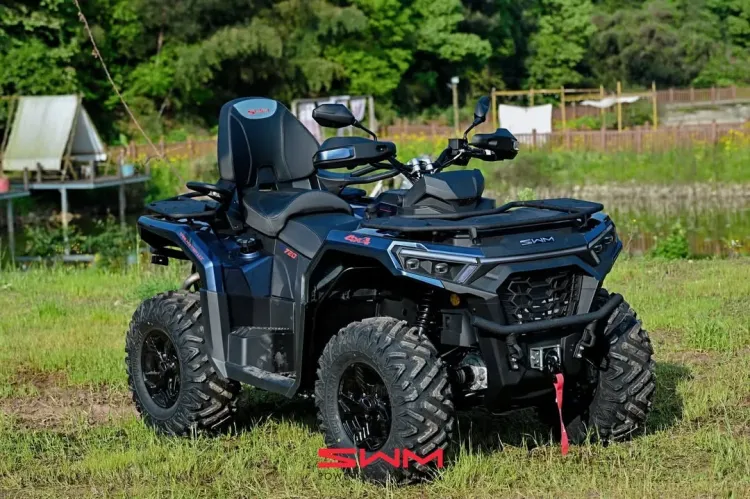
You can also look at ATV setups that are specifically for mud to get an idea of what vehicle to choose. Riders who often find themselves on muddy terrain may also want to examine ATV layouts that are specifically designed for muck. The Trailhunter 1000 MUD, for example, has 30 x 9 x 14-inch front tires, 30 x 11 x 14-inch rear tires, a Mud Kit and a Mud footrest. Specifications also include selectable 2WD/4WD with a front differential lock, a 4,500-lb winch and 13.5 inches of ground clearance. These configurations are the design focus of dedicated mud models in terms of tires, drive system, chassis passability and recovery capability.
Clean and Inspect Your ATV After Mud Riding
After mud, washing and inspecting off an ATV helps maintain it in good repair. Leftover mud and water can cause accumulation, rust on metal parts and more wear on moving parts. After each ride, clean and examine it, using the owner’s manual for guidance and technique of cleaning.
Radiator Cleaning: Radiator fins: use proper pressure, not close-up blasting. Follow the manual for direction. Clean mud and debris between the radiator fins with proper water pressure. Don’t use too strong water pressure to hit radiator fins from up close.
Chassis and Suspension Rinse Rinse thick mud out from under the footrests, around the suspension arms, brake callipers and inside the driveshaft guards.
Component Inspection: Check brake pad wear, broken steering tie rod boots and whether or not a tire was punctured or lost pressure during the voyage. If you have ridden through water, check your brakes in a safe spot to ensure they feel normal before continuing your ride.
Troubleshooting: Listen for any new sounds or changes in performance after cleaning. If mud, water or debris has affected a component, it may need a closer look. Pay attention to unexpected noises or performance changes, since they may indicate that mud, water, or debris has affected a component that needs additional inspection.
Final Thoughts
The success of ATV mud riding hinges on not just the vehicle's power and setup, but also on the rider’s keen judgement of terrain and routes, delicate and steady throttle control, and thorough safety preparedness. So each mud ride is built on enough preparation and reasonable judgement. So before every exploration of the muddy mountain trails, make sure you fully understand the physical limits of the ATV you are riding, read the relevant safety instructions in the owner’s manual carefully, and follow correct operating procedures.
-
Nov 04 2026
learn more
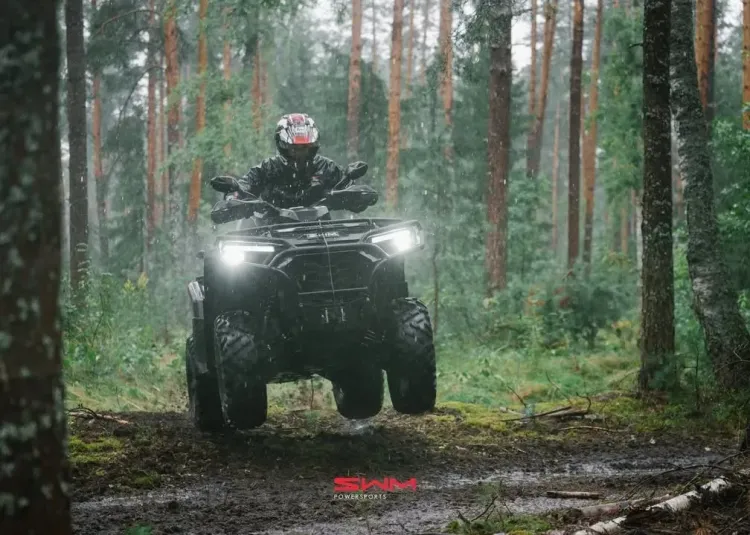 ATV Mud Riding: Tips for Safer Off-Road Adventures
-
Nov 02 2026
learn more
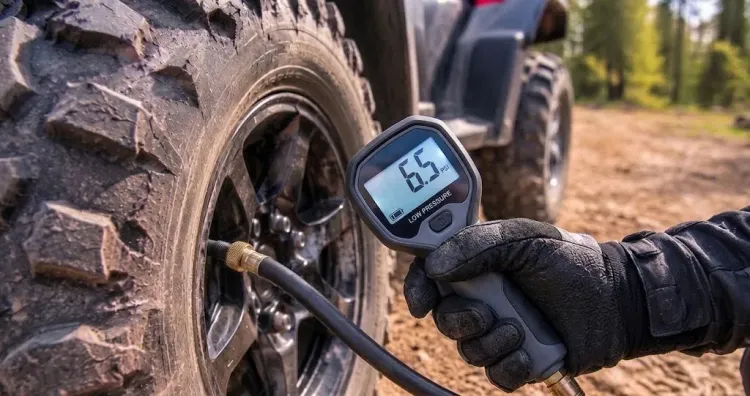 ATV Tire Pressure: How to Check and Adjust It
-
Nov 03 2026
learn more
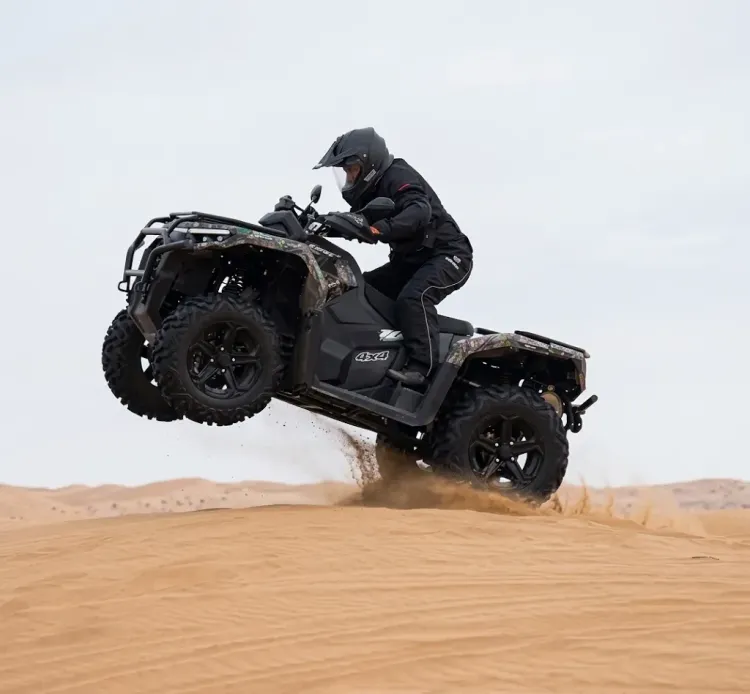 ATV Riding Tips for Beginners: Common Mistakes to Avoid
-
Oct 30 2026
learn more
 ATV Off-Season Storage Checklist: How to Prepare Your ATV for Long-Term Storage