How to Check Trail Conditions Before an ATV Ride
Nov 05 2026
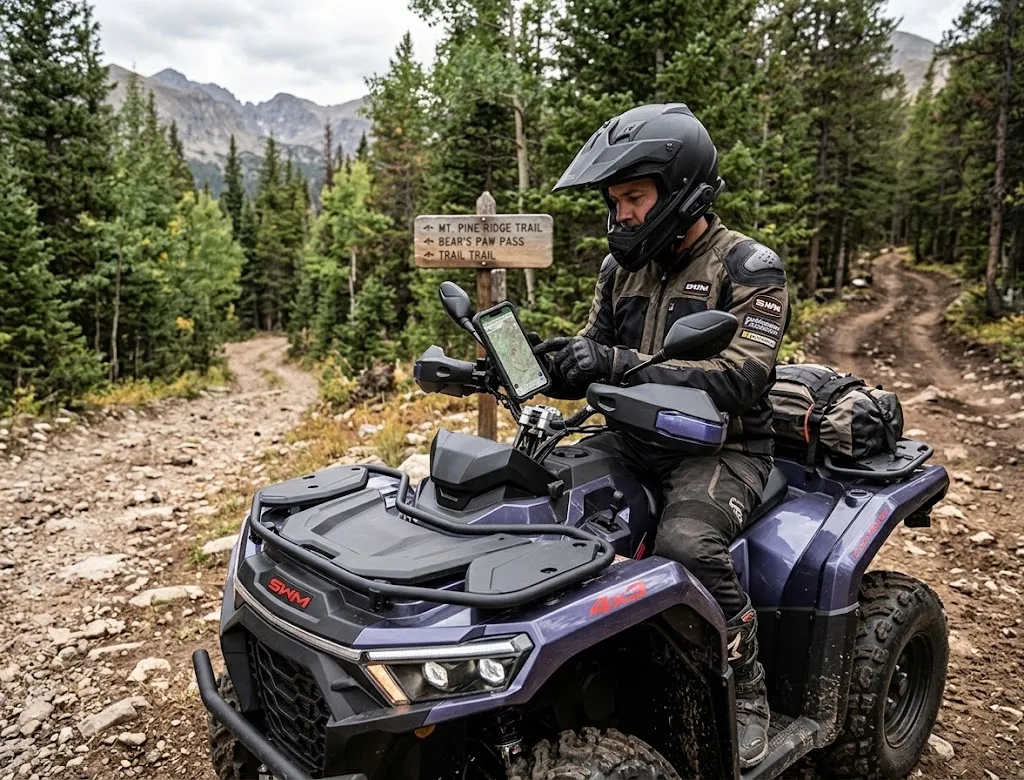
When going on an off-road ride in an ATV, the first thing that should be done in order to make sure that it is safe is assessing the conditions of the trails rather than inspecting the vehicle. People tend to forget about this issue and then find themselves faced with muddy tracks or washed out roads.
Why Checking Trail Conditions Matters
l Prevent dangers: Wet and muddy trails, high water fords, and wash-outs are some of the main reasons for being stuck or out of control.
l Minimize unnecessary travel: Trails could be temporarily closed because of the weather, maintenance issues, or other temporary factors.
l Save resources: Traversing soft, moist ground will result in irreparable damage.
l Know trail demands: Trails require different abilities from ATVs, so having that information beforehand helps in selecting the appropriate ATV and trail.
Conducting a thorough inspection of the ATV Trail conditions is the foundation for safe off-roading.
Best Ways to Check ATV Trail Conditions
1. Dedicated Off-Road Apps (Most Useful)
onX Offroad: Currently one of the best tools available. It shows real-time trail reports from other riders, including photos, mud levels, obstacles, and open/closed status.
Trailforks weather map and similar platforms can also help you understand recent precipitation across a riding area.
2. Official Sources
Websites of national forest services, state parks, and ATVs associations normally publish any updates about season closures, fire restrictions, and maintenance activities.
3. Weather and Supporting Tools
Take note of the amounts of rain, changes in temperatures, and the use of radar for the last 48-72 hours. Predictions on soil moisture may assist in identifying potential mudslides.
4. Rider Communities
Local Facebook groups, forums, and recent user comments often provide the most up-to-date, on-the-ground information.
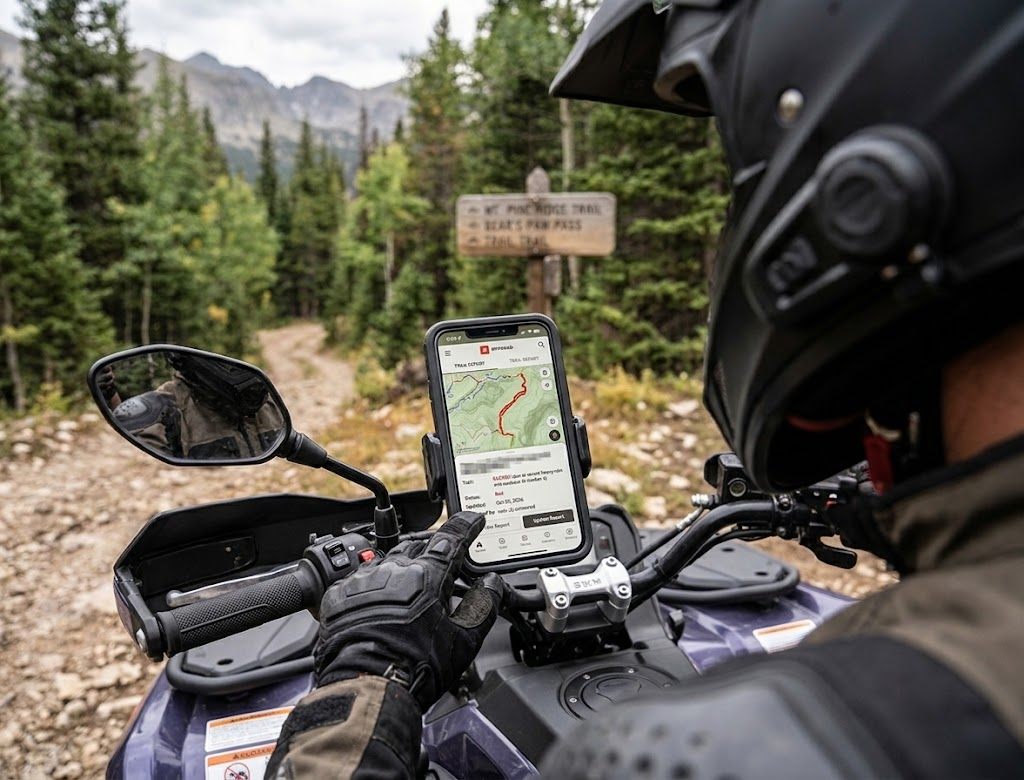
Key Trail Conditions You Should Always Check
Consider these key points when examining a report:
· Closed or Open status (Gate, fire, maintenance, seasonal closures)
· Condition of the road (Mud, snow, ice, dry, dusty, deteriorating, washboard)
· Obstructions/Hazards (Downed trees, washouts, deep snow, deep water)
· How much recent rain, and what kind of soil (Clay takes more time to dry, sandy soil is faster)
· How new the report is (Looking for 24 to 48 hours).
In the case that a report notes deep mud, washouts or constant stream crossing, a vehicle that can take the terrain with the ease and security of a solid ground clearance, 4 wheel drive, and locking differentials should be selected. The SWM Trailhunter 720 is designed with these more demanding conditions in mind.
How to Interpret Trail Reports Effectively
Do not depend on one source. Use the following easy procedure:
1. Verify the status (open or closed) first of all.
2. Check the recent weather and rainfall amount.
3. Look at user comments and pictures that show how much mud there actually is and how big the obstacles are.
4. Evaluate the situation according to your experience and your quad’s abilities: acceptable, route change needed or postpone.
The basic principle behind the mud risk is simple: recent rainfall + soil characteristics + comments from riders. Pictures are always worth more than words.
Adjusting Your Plan and Choosing the Right ATV
Once you know the conditions, tailor your approach based on that information.
· Moderate trails with limited obstacles: Any balanced ATV would do fine. For example, the SWM Trailhunter 580 provides 280 mm of ground clearance and 2WD/4WD with the front differential lock, which makes this vehicle suitable for all regular trails, while at the same time providing efficiency and ease of handling.
· Muddy, washed-out, or frequent water-crossing trails: Go for more capable vehicles. In this case, the SWM Trailhunter 720 is more powerful and even has special mud edition of the model.
· Think of an emergency plan: Remember the escape points, inform somebody about your trail, and take some recovery equipment with you.
No matter how good the ATV is, it won’t be able to compensate for bad trail selection.
Practical Tips for Checking Trail Conditions
· Refresh reports and radar on the morning of your ride.
· Submit your own trail report and photos after riding — it helps the whole community.
· Build a short personal list of reliable sources (official pages + local groups).
· When in doubt, choose a more conservative trail or wait for better conditions.
Frequently Asked Questions
Is checking the weather forecast enough?
No. Weather tells you about precipitation potential, but actual mud depth and obstacles require recent rider reports and photos.
Can I still ride muddy trails?
Sometimes. If your ATV has good ground clearance, 4WD, and a differential lock — and you have the experience — certain muddy sections can be manageable. Always evaluate carefully.
What’s the fastest way for beginners to check trail conditions?
Start with onX Offroad for real-time reports, then cross-check official sources and the recent weather.
Final Thoughts
Inspecting trails before riding an ATV can be considered one of the easiest and best methods for ensuring safety on your ride, preserving the trails, and enjoying yourself. “Check first, ride second” should become your standard practice along with using an ATV suited to the conditions you will usually face.
Explore the SWM Trailhunter 580 and SWM Trailhunter 720 to find the right machine for the trails you ride most.
Ride safe — and always know the conditions before you go.
-
Nov 05 2026
learn more
 How to Check Trail Conditions Before an ATV Ride
-
Nov 04 2026
learn more
 ATV Mud Riding: Tips for Safer Off-Road Adventures
-
Nov 02 2026
learn more
 ATV Tire Pressure: How to Check and Adjust It
-
Nov 03 2026
learn more
 ATV Riding Tips for Beginners: Common Mistakes to Avoid