How to Choose the Perfect Sand Tires for Your ORV
Jul 22 2026
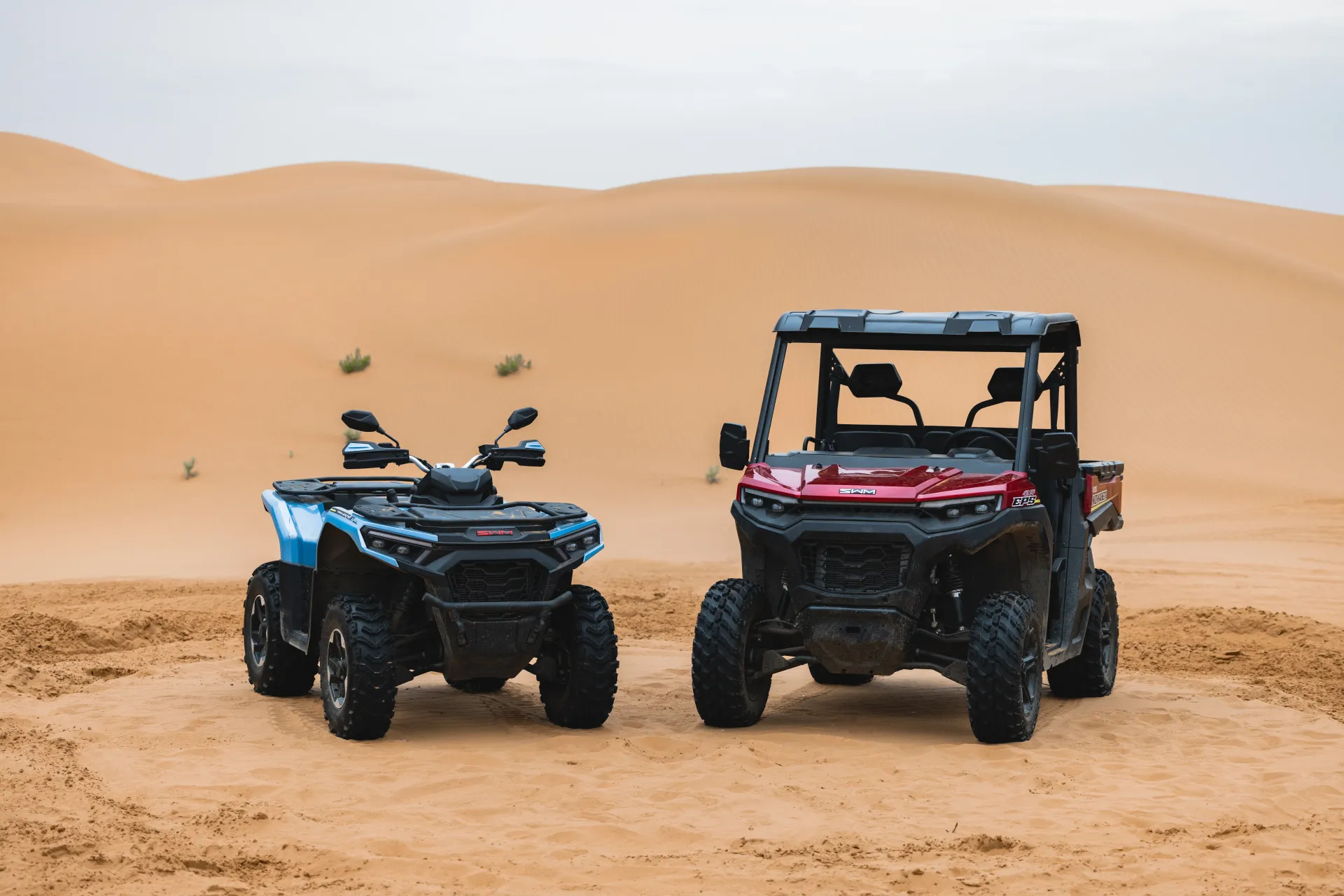
Riding your off-road vehicle (ORV) on sand dunes is one of the most thrilling experiences in the off-roading world — but only if you're running the right tires. The wrong tires can leave you buried axle-deep in loose sand within minutes. Choosing the perfect sand tires for your ORV comes down to understanding paddle design, tire sizing, load ratings, and your specific riding style.
This guide walks you through everything you need to know before buying sand tires, whether you're riding an ATV, UTV, or side-by-side on coastal beaches or inland dune systems like Glamis or Silver Lake.
What Are Sand Tires, and Why Do They Matter?
Standard all-terrain tires are designed to grip firm or semi-firm surfaces. On loose, dry sand, they're virtually useless — they dig in, spin out, and overheat quickly. Sand tires (also called paddle tires or dune tires) are purpose-built to do the opposite: instead of gripping, they scoop and propel the vehicle forward through loose terrain.
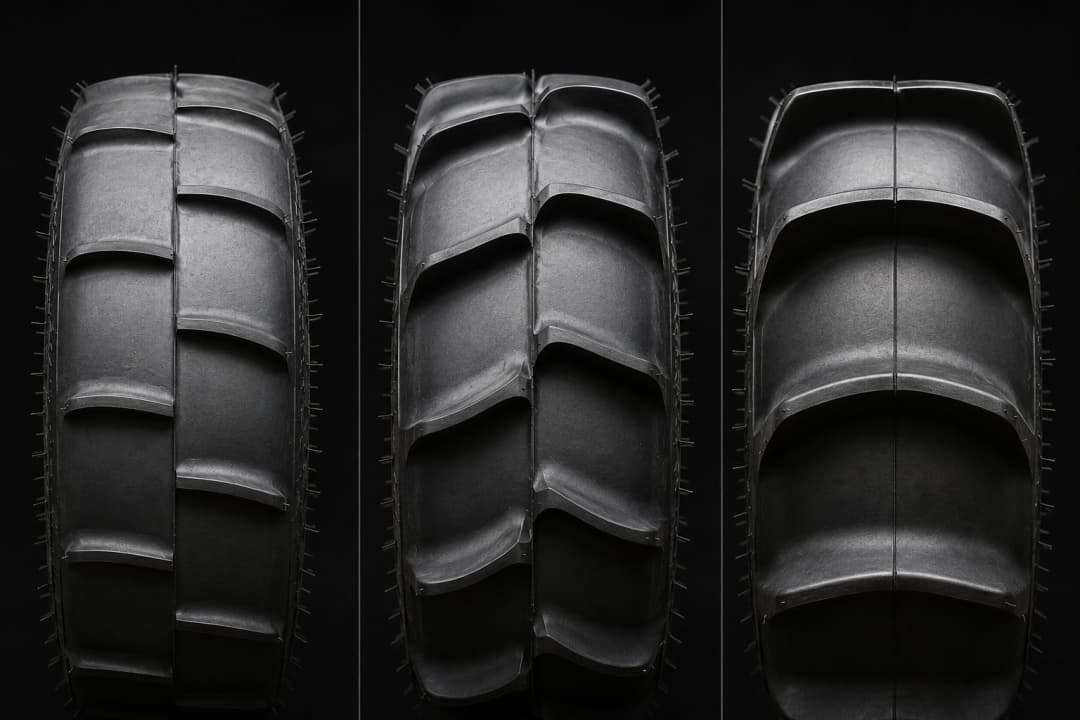
The key difference is the tread pattern. Sand tires feature widely spaced, curved paddle-shaped lugs that:
· Bite into loose sand and throw it backward for forward momentum
· Resist packing sand between lugs
· Reduce heat buildup from spinning at high RPM
· Provide a level of "flotation" to keep the vehicle riding on top of the sand rather than sinking
Putting any other tire on sand dunes isn't just ineffective — it's potentially dangerous. Getting stuck on a steep dune face is a real safety hazard.
The 6 Most Important Factors When Choosing Sand Tires for ORVs
1. Paddle Design and Depth
The paddle is the heart of a sand tire. The scoop-shaped lugs are what convert wheel spin into forward motion on loose terrain.
Paddle depth typically ranges from 1.5 inches to 2.5+ inches. Deeper paddles provide more aggressive bite, which is better for steep, dry dunes. However, paddles that are too deep can cause the tire to "hop" or become unsteady at higher speeds on flat sand.
Paddle count also matters. Tires with fewer paddles (4–6 per row) create longer, smoother scooping motions — great for racing. Tires with more paddles offer more consistent traction, better for recreational riding. Most riders find 6–8 paddles per row to be the sweet spot.
Paddle angle affects efficiency. Angled or curved paddles eject sand more efficiently than straight ones, reducing the "slapping" feeling and improving ride smoothness.
Rule of thumb: For dune riding and recreation, go with moderate paddle depth (1.75"–2") and 6–8 paddles. For racing or competitive riding, consult your class rules first.
2. Tire Width and Flotation
Wide tires float on top of sand; narrow tires sink into it. For ORVs running on sand, wider is generally better.
· ATVs: Look for rear tires in the 10"–14" width range
· UTVs / Side-by-sides: 12"–15" wide rear tires are common
· Front tires: Ribbed front tires (narrow, smooth) are actually preferred over paddle tires for steering control and preventing plow-through
A wider tire distributes the vehicle's weight over a larger surface area, reducing the pounds-per-square-inch (PSI) of pressure on the sand — the same principle that lets snowshoes work. The result is that the vehicle rides higher on the surface instead of sinking.
3. Tire Size and Fitment
Always match your sand tire size to your vehicle's specifications. Going too large can cause rubbing, drivetrain stress, or handling issues. Going too small reduces ground clearance and flotation.
When reading tire sizing (e.g., 28x11-14):
· 28 = Overall diameter in inches
· 11 = Width in inches
· 14 = Rim diameter in inches
Check your vehicle's owner's manual for the stock tire size, and consult the tire manufacturer's fitment guide before sizing up. Most sand tire manufacturers offer popular sizes for specific ATV/UTV models — use those as your starting point.
4. Ply Rating and Load Capacity
Sand tires take a beating. High-speed dune riding puts significant stress on sidewalls, especially when you're catching air off crests or dropping into bowls.
Ply rating indicates the tire's structural strength:
· 2-ply: Lightweight, low rotating mass — great for racing, but less durable
· 4-ply: The standard for recreational riding — balances durability and weight
· 6-ply: Heavy-duty — better for UTVs and heavier vehicles
For most recreational ORV riders, a 4-ply tire is the ideal balance of durability and performance. If you're riding a heavier UTV (1,500+ lbs), consider 6-ply for load support.
5. Front vs. Rear Tire Configuration
One of the biggest mistakes new dune riders make is putting paddle tires on all four corners. Here's the correct setup:
Rear tires (drive wheels): Full paddle/sand tires. These are what propel you. Use aggressive paddles, wide footprint, optimal flotation.
Front tires (steering wheels): Use ribbed sand tires — tires with a smooth center rib and minimal tread. This may seem counterintuitive, but it's the correct approach. Ribbed fronts:
· Allow the front end to glide over sand instead of digging in
· Maintain steering precision and response
· Prevent the front from plowing into the sand and throwing the vehicle off-course
A classic and widely recommended setup is ribbed fronts paired with aggressive paddle rears. Many experienced dune riders call this "the standard dune setup" for a reason.
6. Air Pressure (PSI) — The Most Overlooked Factor
Even the best sand tires will fail if inflated incorrectly. Lower PSI = more footprint = more flotation on sand. Tire pressure is something you adjust at the dunes, not at home.
Typical sand riding PSI ranges:
· ATV rear paddles: 3–6 PSI
· ATV front ribbed: 4–7 PSI
· UTV rear paddles: 6–10 PSI
· UTV front ribbed: 8–12 PSI
Always carry a portable air compressor so you can air back up before driving on hardpack or pavement. Riding low-PSI tires on asphalt damages both tires and wheels.
ATV vs. UTV: Are the Selection Criteria Different?
Yes — your vehicle type significantly affects which sand tire is right for you.
ATVs are lighter and more agile. They benefit most from lightweight, aggressive paddle tires with high paddle count and moderate depth. Popular options are designed to maximize the ATV's ability to maneuver and hop between dunes quickly.
UTVs and Side-by-Sides are heavier and more powerful. They need tires with higher load ratings, deeper paddles to move the extra weight, and often wider footprints. UTVs also benefit from more structurally robust sidewalls to handle the torque from high-horsepower engines.
Top Features to Look for in a Quality Sand Tire
When comparing brands and models, look for these quality indicators:
· Reinforced sidewalls — prevents blowouts on sharp sand edges or rock transitions
· Heat-resistant rubber compound — sand riding at speed generates significant heat; cheap rubber degrades fast
· Balanced construction — unbalanced tires cause vibration that wears bearings and driver fatigue
· Consistent paddle spacing — irregular spacing causes uneven grip and ride hopping
· Manufacturer fit guides — reputable brands offer clear vehicle-specific fitment charts
When NOT to Use Sand Tires
Sand tires are single-purpose tools. They perform extremely poorly outside of loose sand:
· On hardpack dirt or gravel, paddle tires feel bouncy, unstable, and have almost no traction
· On pavement, they are dangerous — they feel like driving on hockey pucks
· On rocks or trails, the paddles catch and tear easily
· High-speed highway trailering with paddles mounted can cause vibration damage
If you ride multiple terrain types, either keep a second set of wheels with all-terrain tires, or consider a dual-purpose sand/intermediate tire for more versatile terrain. True sand dunes, however, will always benefit from dedicated paddle tires.
Final Thoughts
Choosing the perfect sand tires for your ORV isn't complicated once you understand the core principles: paddles propel, ribbed fronts steer, wider floats, and lower PSI works. Match your tire size and ply rating to your vehicle, pair the right fronts with the right rears, and always adjust air pressure on-site.
Whether you're a weekend warrior hitting Glamis or a serious dune racer, the right set of sand tires transforms the experience from a frustrating struggle into the fluid, high-speed ride that makes sand dunes addictive.
-
Oct 23 2026
learn more
 Is a Side-by-Side Considered a Motor Vehicle in the US?
Is a Side-by-Side Considered a Motor Vehicle in the US?
Is a Side-by-Side Considered a Motor Vehicle in the US?
-
Oct 22 2026
learn more
 How Much Does a 4-Seater Side-by-Side Weigh for SWM UTV?
How Much Does a 4-Seater Side-by-Side Weigh for SWM UTV?
How Much Does a 4-Seater Side-by-Side Weigh for SWM UTV?
-
Oct 23 2026
learn more
 How to Plan a Weekend ATV Adventure
How to Plan a Weekend ATV Adventure
How to Plan a Weekend ATV Adventure
-
Oct 20 2026
learn more
 ATV vs UTV for Snow Plowing: 5 Key Differences
ATV vs UTV for Snow Plowing: 5 Key Differences
ATV vs UTV for Snow Plowing: 5 Key Differences