How Long Do UTVs Last? Lifespan, Mileage & Key Factors
Oct 14 2026
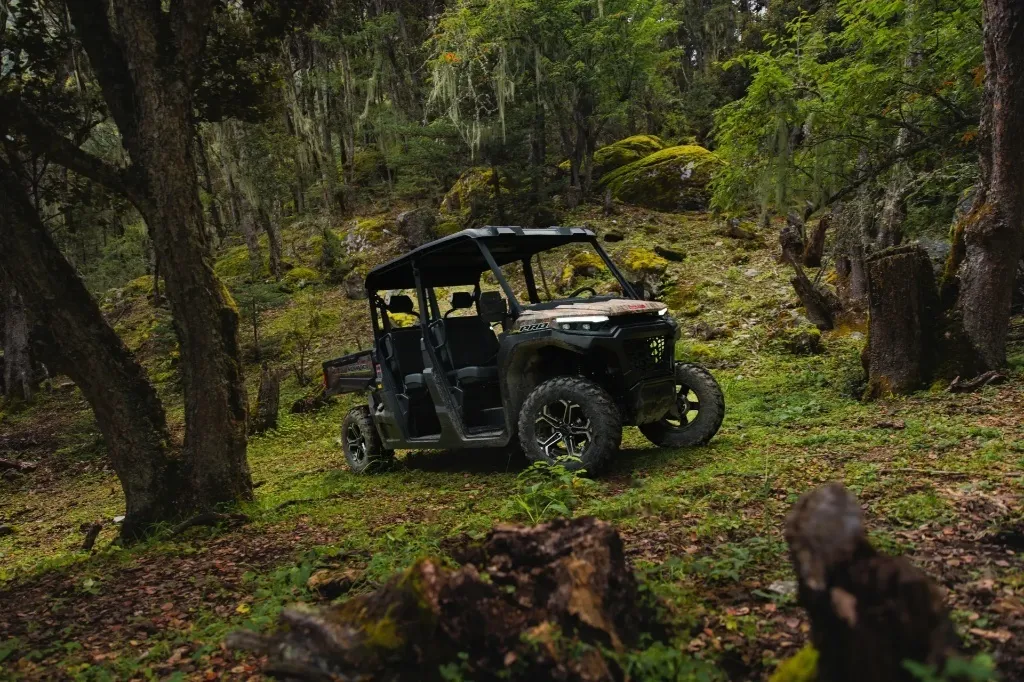
If you’re buying a UTV, or you already own one, you’ve probably asked: how long do utvs last? Fair question. The answer affects your return on investment and what the machine costs you over time. And honestly, there’s no single number. It depends on how you use it, how you care for it and what kind of work it does.
Still, industry experience gives you a useful range. A UTV that’s maintained well and used sensibly often goes 5,000 to 12,000 miles. In engine hours, that’s about 1,500 to 3,000 hours. Some tough models, with careful maintenance, can push past 20,000 miles.
But don’t think of those statistics as a hard expiration date. A UTV with high miles can be in terrific shape if it’s been taken care of. A low mileage machine can disguise significant deterioration if it has lived a hard life with big loads, deep water or missing servicing. Many major manufacturers have maintenance regimens based on both engine hours and mileage. Whichever comes first. Service is owed. If your UTV is regularly in water, dirt or low speed heavy loads, you should service it more often.
How Long Can a UTV Last?
To judge UTV life fairly, look at the engine and the other key parts. Service life changes with design, workload, environment and maintenance history. A machine used for light farm chores isn’t the same as one that lives in mud, sand or heavy towing. Mileage and engine hours show how it’s been used. But neither one alone can predict life. When you’re deciding whether a UTV is worth keeping, the real condition of the engine, drivetrain, frame, suspension, steering and brakes matters just as much.
Vehicle Lifespan vs. Engine Lifespan
Regarding UTV longevity, make a distinction between vehicle longevity and engine longevity. An engine that starts and operates doesn't mean the whole machine is healthy. The drivetrain, complete with the CVT belt and clutch, the cooling system, suspension links, the steering, the brakes, the wiring and the frame all wear down in time. But if the maintenance bill for the drivetrain is too high, the frame is significantly damaged or multiple vital elements are ageing at once, a UTV may no longer be a financial option for heavy use—even if the engine fires.
What Matters More: Mileage or Engine Hours?
To understand real UTV wear, look at mileage and engine hours together. Don’t just convert one to the other with a fixed ratio.
When Mileage Tells Only Part of the Story
Mileage = total distance travelled. It doesn’t display the machine’s engine run duration, cooling or load it hauled. For example, a UTV utilised for low-speed agricultural carrying or towing may accumulate tonnes of engine hours with very few miles. You can rack up the miles quickly with another open-road UTV, but the engine may see a steadier load every mile.
Why Engine Hours Matter
Engine hours record total power system run time. They add information mileage can’t provide. But they aren’t a stand alone answer either. The same engine hours can entail significantly varied wear depending on high speed cruising, low speed rising, long idling or heavy hauling.
No matter how often you ride, a steady maintenance routine is one of the best ways to track wear and prevent major breakdowns. Following a consistent UTV maintenance process helps you catch small issues before they turn into expensive repairs.
Understanding Lifespan by Usage Benchmarks
When you look at where a UTV is in its life, the industry often groups mileage and engine hours into these use ranges:
Low use (Under 3,000 miles / <500 hours):
Most parts are still factory original, and the mechanical structure is generally strong.
Medium use (3,000 to 8,000 miles / 500 to 1,500 hours):
This is normal wear territory. You’ll often see drive belt replacement, suspension checks and chassis bushing service.
High use (8,000 to 15,000 miles / 1,500 to 3,000 hours):
Core parts like the clutch, shocks and bearings may need professional service or a rebuild.
Extreme use (15,000+ miles / 3,000+ hours):
The powertrain and drivetrain start moving into major overhaul or core upgrade territory.
Most UTV owners average about 50 to 100 engine hours per year. Once a machine passes 1,000 hours, it’s in a stage where preventive maintenance needs closer attention.
How to Accurately Track Your UTV's Wear and Tear
To get a clear picture of real condition, check things in this order:
Look at total mileage and engine hours together, then compare them with the main type of work the machine does.
Review maintenance records. Confirm that fluids, filters and wear items have been changed on the schedule in your model specific manual.
Check the engine and drivetrain for leaks, overheating signs or strange noise. If you find ongoing overheating or severe noise, stop using the machine and get professional service.
Check the frame structure, suspension links, brake parts and electrical system.
What Factors Affect UTV Lifespan?
UTV lifespan comes down to several variables. These four areas matter most:
Operating Conditions and Workload
Harsh conditions increase service needs, especially if the UTV often runs with heavy loads, mud, dust or high humidity. Following the owner’s manual is critical. Polaris, a well known manufacturer, also notes in its ORV maintenance guidance that hard use can affect maintenance intervals.
Maintenance History and Cleaning Routines
Regular engine oil, gear oil, coolant changes and air filter cleaning, all on the schedule for your exact model, are the foundation of good running condition. Cleaning after rides matters too. Mud and grit left around the chassis, seals, bearings or cooling parts can cause wear or corrosion. A proper UTV cleaning does more than remove buildup. It also makes leaks, damaged parts or early rust easier to spot during routine checks.
Driving Style and Load Management
Drive hard all the time, constantly stab the throttle or hold extreme RPM for long stretches, and you put extra stress on the drivetrain and engine. Same goes for going past the rated load. When you tow, stay inside the machine’s rated towing capacity and other load limits. That keeps you from overloading it and cuts unnecessary stress on the drivetrain and power system. Know your UTV towing capacity and stick to it. That’s a big part of safe towing and protecting the drivetrain.
Storage and Environmental Exposure
Park a UTV in wet, sun baked or open air conditions for long periods and things start to age. Rubber seals dry out. Electrical connectors corrode. The frame rusts. When the machine sits idle, keep it dry, maintain the battery and use a cover. That helps prevent hidden environmental damage.
5 Signs Your UTV Needs Inspection
See any of these? It usually means your machine needs a closer look or a trip to a professional. Ongoing overheating, severe noise or brake failure? Stop using it. Normal noise or a small leak? You can schedule that based on how serious it is.
Persistent Engine Noise, Smoke, or Overheating
Constant metallic knocking. Blue or thick white exhaust smoke. A clear drop in power. Repeated overheating. Any of these can point to poor lubrication, cooling system trouble or cylinder wear. And they can have more than one cause. If you notice ongoing overheating or severe noise, stop riding right away. Check your model’s service manual or get a professional diagnosis.
Transmission or Drivetrain Slippage
Abnormal power delivery. Belt slip. Hard shifting. Unusual drivetrain noise. These can mean wear or failure in the drive belt, clutch parts or gearbox. If your UTV often loses power, overheats or shakes violently, a simple visual check often isn’t enough. Following a structured UTV troubleshooting process can help narrow down causes before you decide on repairs.
Worn Suspension, Steering, or Braking Systems
Loose suspension. Leaking shocks. Too much steering play. Brakes that respond slowly, a soft pedal or lever, noise or fluid leaks. All of these threaten control and safety. Don’t judge brake health only by longer stopping distance. Any odd brake response or worn part needs an immediate check. Never ignore chassis and safety issues just because the engine still runs.
Structural Frame Damage or Severe Corrosion
The frame is the backbone of your machine. Cracks at key welds, a bent frame or severe rust that goes through the metal? That can affect structural integrity. And that kind of damage needs professional evaluation and repair.
Rising Maintenance Costs relative to Vehicle Age
Watch your costs as the years and engine hours build up.” When you start to get a build up of routine maintenance and unanticipated repairs, and records reveal a bunch of critical parts ageing at the same time, step back. Compare the cost of repairs with the cost of replacing the machine.
How to Extend Your UTV's Service Life
Instead of guessing at lifespan, use the manufacturer’s service plan as a more reliable guide. To keep a UTV running well, take these preventive steps:
Follow the official service schedule:
For your exact brand, model and year, change oil, gear oil, spark plugs and filters on the intervals in the owner’s manual.
Inspect after hard use:
After mud, water or heavy towing work, clean the cooling screens and chassis mud. Check for fluid leaks or mechanical binding.
Keep intake and cooling systems clean:
Clean or replace the air filter on time. Make sure the radiator isn’t packed with mud. This lowers the risk of high engine temperatures.
Monitor chassis and safety parts:
Check tire pressure, brake pad wear, brake lines and suspension bushings. Fix looseness or noise as soon as you find it.
Keep detailed maintenance records:
Record the date, mileage, hours and parts replaced for every service. That makes it easier to track vehicle health.
What to Consider When Choosing a UTV for Long-Term Durability
If you’re buying new, match long term durability, service ease and real work needs during the shopping stage.
When comparing UTVs for long term use, line up the published specs with the jobs the machine will actually do. Check rated towing and cargo bed capacity, suspension design and model specific maintenance requirements.
SWM aims to provide durable and easy to maintain machines for daily agriculture, commercial transport and off road work.
Take the SWM Nomader 720 as an example. You can compare its published load capacity, suspension specs and power output directly with your toughest daily work needs. That gives you an objective way to judge whether its hardware design fits your long term expectations.
Final Thoughts
The real service life of a UTV isn’t set by a fixed number of years or miles. It is environment, work load and quality of maintenance dependent.
Whether you’re using it for everyday agricultural work, commercial hauling or off road adventure, excellent preventive behaviours, respect for load restrictions and a quality machine to match your work intensity are the best methods to keep your UTV working efficiently and reliably for years.
-
Oct 14 2026
learn more
 How Long Do UTVs Last? Lifespan, Mileage & Key Factors
How Long Do UTVs Last? Lifespan, Mileage & Key Factors
How Long Do UTVs Last? Lifespan, Mileage & Key Factors
-
Oct 13 2026
learn more
 How to Operate an ATV: Beginner's Guide & Safety Tips
How to Operate an ATV: Beginner's Guide & Safety Tips
How to Operate an ATV: Beginner's Guide & Safety Tips
-
Oct 13 2026
learn more
 ATV Winter Riding Tips: How to Ride on Snow and Ice
ATV Winter Riding Tips: How to Ride on Snow and Ice
ATV Winter Riding Tips: How to Ride on Snow and Ice
-
Oct 08 2026
learn more
 ATV Engine Knocking Noise: Causes and What to Check
ATV Engine Knocking Noise: Causes and What to Check
ATV Engine Knocking Noise: Causes and What to Check