How to Operate an ATV: Beginner's Guide & Safety Tips
Oct 13 2026

So, you want to learn how to operate an ATV. Awesome. But before you twist that throttle, there’s a bunch of stuff to do first. Gear up. Walk around the machine. Learn what every lever and button does. Skip any of that, and a fun day can go sideways fast. New riders—take a hands-on course. Read the owner’s manual. Wear real safety gear. Follow the local off-road rules. Yeah, it’s boring advice. But it’s the advice that keeps you riding.
Quick Summary: How Do You Operate an ATV?
Short answer? Do a T-CLOC check. Helmet and gear on. Start the engine the way your manual says. Pick the right gear. Ease on the throttle. Don’t head for hills or mud yet. Stay on flat, open ground. Practice stopping. Turning. Starting again. Until it feels boring. Then keep practicing.
1. Prepare Your ATV Before Riding
Before you turn the key, two things matter: what you’re wearing and whether the machine is actually safe to ride. This is the part that keeps ATV riding safety on your side.
Essential Riding Gear and Training
Helmet and eye protection: Wear a helmet that fits and meets your local rules. Add shatterproof goggles—dust and rocks don’t care how good your helmet is. Look for DOT or ECE labels when you buy.
Protective clothing: Long sleeves. Tough pants. Boots that cover your ankles. Off-road gloves. No flip-flops, no shorts. Your skin will thank you.
Gear preparation: Bring off-road riding essentials. Weather changes. Machines break. A little prep saves a long walk.
Formal training and practice area: If you’ve never ridden before, don’t learn from a YouTube video in your backyard. Find a wide, flat, empty space. Better yet, have someone experienced watch you. You’ll pick up the basics faster and avoid bad habits.
T-CLOC Pre-Ride Inspection Checklist
The ATV Safety Institute pushes the T-CLOC framework for a reason. It’s simple, and it catches problems before they become accidents. Renting an ATV? Using tips from 10 things to know before buying an ATV? Doesn’t matter. Run through it every time.
Inspection Category | Key Items | What to Check |
T - Tires & Wheels | Tire pressure, tread depth, wheel lug nuts | Pressure meets spec; no cracks or punctures; lug nuts are tight |
C - Controls & Cables | Brakes, throttle cable, steering | Throttle returns smoothly; brakes operate normally and respond according to vehicle requirements; steering moves freely without binding |
L - Lights & Electrics | Headlight, taillight, switches, battery | All lights and the engine stop switch work properly |
O - Oil & Fuel | Engine oil, fuel, coolant for applicable models, air filter | Oil/fluid levels are correct; no obvious leaks under the vehicle; confirm the air filter is clean and free of damage or blockage |
C - Chain / Drive & Chassis | Drive components, suspension, fasteners | Inspect the chain, driveshaft, or other drive components actually equipped on the vehicle, along with the suspension and fasteners, for obvious damage or looseness |
Note: T-CLOC is a basic pre-ride inspection framework and does not replace the maintenance requirements of a specific model. Inspection items should be adjusted according to the vehicle owner’s manual. If you find brake abnormalities, poor throttle return, tire damage, or other safety-affecting issues, address them before riding.
2. Understand ATV Controls
Every ATV is a little different. The controls on a utility quad aren’t laid out exactly like a sport model. So before you ride, open the owner’s manual. Yes, actually open it. Find out what your machine has.
Thumb Throttle: Most ATVs put this on the right handlebar. Your thumb does the work. Press it slowly. Jerking it is a quick way to surprise yourself. Once you know how it responds, practice at different speeds.
Brake Systems: Some ATVs have separate front and rear hand levers plus a foot pedal. Others link the brakes together. You need to know which one you have before you need to stop in a hurry. Read the manual. Then practice.。
Shifter & Transmission: A lot of automatic ATVs use a CVT. But gear setups still vary. Take the SWM Trailhunter 580—its official specs list a Changxing CVT transmission and L, H, N, R, and P gears. Know what each gear is for. Then pick the right one for the terrain. Your manual tells you how.
Drive Selector (2WD/4WD): If your ATV has this switch, you can choose between two-wheel drive and four-wheel drive. Trail conditions and the manufacturer’s guidelines decide which one you use. Don’t just leave it in one mode forever.
3. How to Start, Ride, and Stop an ATV
Starting and stopping don’t look hard. But every model has its own quirks. Learning how to start an ATV, get moving smoothly, and stop under control takes practice—flat ground, manual open, no distractions.
Step 1: Starting the Engine
Check your manual. It will tell you what state the ATV should be in—park, neutral, whatever. Set the parking brake if it says to.
Get on from the side. Sit in the middle of the seat. Both feet on the footrests. Both hands on the handlebars.
Turn the key. Move the engine stop switch to “Run.” Hold the brake if required. Press the start button.
Step 2: Shifting into Gear and Moving Forward
Hold the foot brake or squeeze the hand brake.
Pick a gear. Load, terrain, and your model’s recommendations all matter here.
Release the parking brake. Keep your hands firm on the bars. Press the thumb throttle slowly. The ATV should roll forward smooth, not jump.
Step 3: Decelerating and Parking
Let off the thumb throttle. Engine braking will start slowing you down.
Then apply the brakes smooth and even. Don’t stab them, especially on loose ground. You want a controlled stop, not a slide.
Once you’re completely stopped, shift into the gear your manual specifies. Set the parking brake. Turn off the ignition and the engine stop switch.
4. How to Turn and Ride on Different Terrain
Turning an ATV isn’t like turning a car. You lean. You shift your weight. You read the ground. Learning how to turn an ATV and handle different terrain means adjusting your body and your riding style to what’s under the tires.
Turning Techniques and Body Positioning
Weight transfer: Keep your feet on the footrests. Don’t dangle a leg out there—if the ATV rolls, that leg is in trouble. Slow down before the turn. Then lean your weight to the inside of the corner. How much? Depends on speed, direction, and terrain. Just don’t turn sharp and fast.
Speed control: Brake before the turn, not during it. Once you’re lined up where you want to go, ease on the throttle through the corner. Smooth is fast. Smooth is safe.
Riding Uphill and Downhill
Riding uphill: Choose a gear that matches the slope. Your manual will give you a starting point. Lean forward a bit. Keep the throttle steady. Don’t stab the throttle or grab a handful of brake on a steep hill. That’s how you flip.
Riding downhill: This is where people get hurt. Adjust your posture, gear, and braking to what your model’s manual and training say. Use a low gear and let engine braking help. Add smooth, controlled brake pressure. Slow and steady wins here.
Mud and Slippery Trails
Before you plow into mud, stop and look at it. How deep is it? What’s underneath? Then choose the right drive mode from your manual. If you’re unsure about 2WD vs 4WD off-road performance, learn the difference. It matters. Once you’re in it, keep the throttle smooth. Sudden acceleration, sharp turns, or forcing the ATV through ground it can’t handle will get you stuck—or worse.
5. Common ATV Riding Mistakes
Putting a foot out during turns: This is a hard habit to break if you’ve ridden dirt bikes. Don’t do it on an ATV. The machine is heavy. If it rolls, your foot or leg can get crushed.
Improper braking downhill: Panic braking downhill kills traction. You lose steering, then you lose control. Follow the manual. Use controlled braking and a low gear for engine braking.
Carrying a passenger on a single-rider ATV: A single-rider ATV is built for one person. Add a passenger and the center of gravity changes. Steering gets weird. Rollovers become much more likely. Just don’t.
6. What to Do After an ATV Ride
Ride's over. Don't just kill the engine and walk away. Spend a few minutes now, and your next ride starts a lot smoother.
First, deal with the mud. It's everywhere—wheels, underbody, radiator. A garden hose on low pressure is all you need. Stay away from the electrical connectors and the air intake with a pressure washer. Blast those and you'll be chasing gremlins for weeks.
Then look it over. Tires: any punctures? Underneath: any drips? Controls and cables: still moving free and easy? If something feels off, fix it before you forget.
Finally, put it away properly. Short break or long storage, the owner's manual has the steps. Follow them.They know their machine better than anyone.
Final Thoughts
Learning how to operate an ATV safely isn’t a one-day thing. It’s preparation, reading your owner’s manual, and putting in time on flat, open ground. Do that, and you’ll be a better rider. If you’re shopping for an off-road or utility ATV, head over to the SWM 4x4 ATVs page. You can compare specs, drivetrain setups, and ergonomics for specific models.
-
Oct 13 2026
learn more
 How to Operate an ATV: Beginner's Guide & Safety Tips
How to Operate an ATV: Beginner's Guide & Safety Tips
How to Operate an ATV: Beginner's Guide & Safety Tips
-
Oct 13 2026
learn more
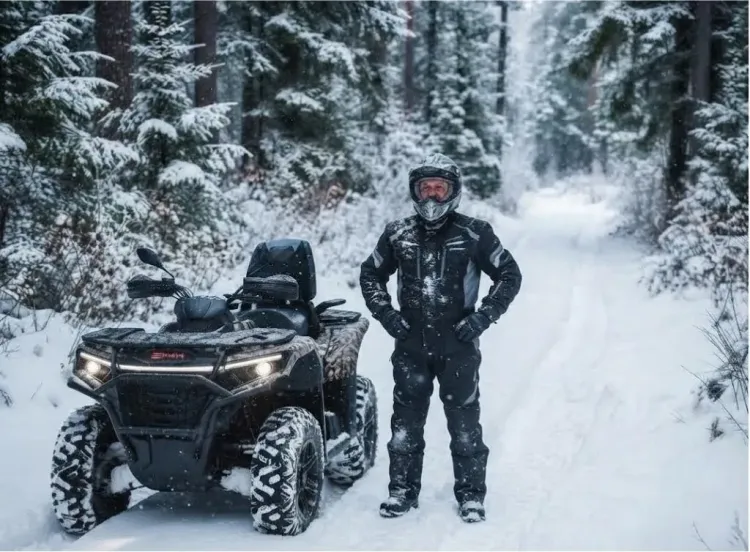 ATV Winter Riding Tips: How to Ride on Snow and Ice
ATV Winter Riding Tips: How to Ride on Snow and Ice
ATV Winter Riding Tips: How to Ride on Snow and Ice
-
Oct 08 2026
learn more
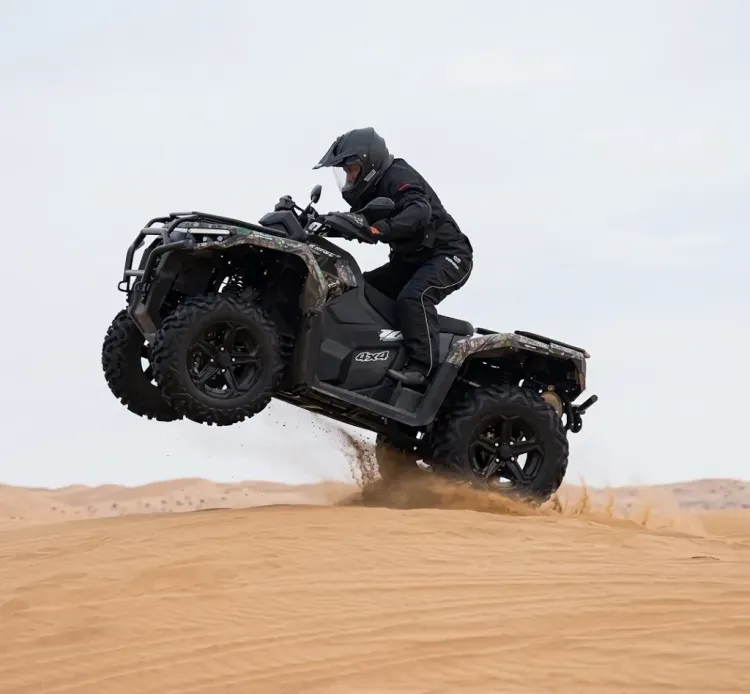 ATV Engine Knocking Noise: Causes and What to Check
ATV Engine Knocking Noise: Causes and What to Check
ATV Engine Knocking Noise: Causes and What to Check
-
Oct 08 2026
learn more
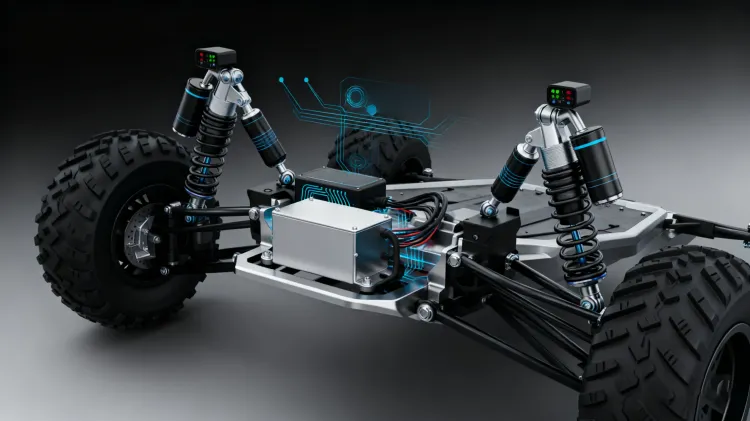 Is Electronic Suspension Worth It for ATVs & UTVs?
Is Electronic Suspension Worth It for ATVs & UTVs?
Is Electronic Suspension Worth It for ATVs & UTVs?