ATV Engine Knocking Noise: Causes and What to Check
Oct 08 2026
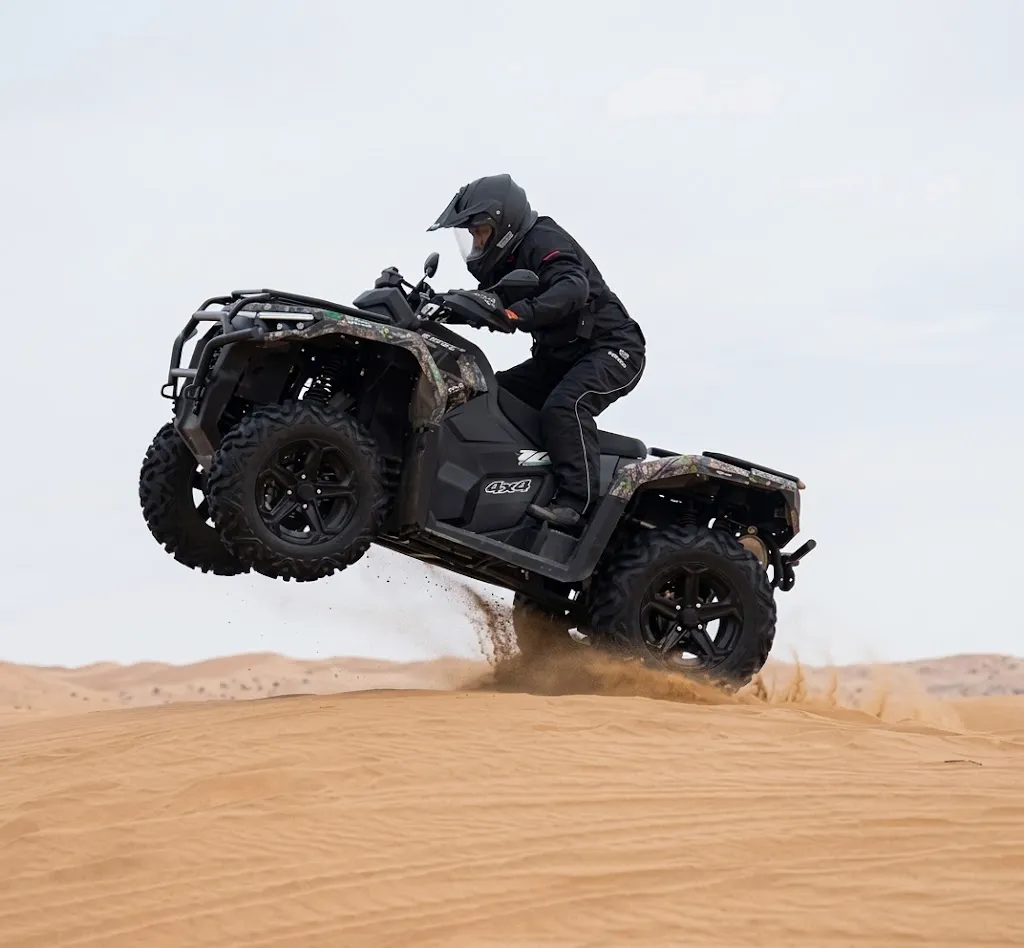
ATV engine knocking noise isn’t always just “normal engine noise.” It can be tied to abnormal combustion, low oil, worn internal parts, or other mechanical problems. Hear a knock? Don’t just shrug it off as regular engine sound. If it came out of nowhere, gets louder as rpm or load changes, or shows up with power loss or overheating, look into it sooner rather than later.
That said, knocking doesn’t mean the engine is done for. A light tick and a heavy knock are not the same thing. What helps is nailing down when it happens, what the engine’s doing right then, and whether anything else feels off. Below, we’ll go over common causes, when the noise tends to show up, basic checks, and when you should stop riding.
What Does an ATV Engine Knocking Noise Mean?
An ATV engine makes some mechanical noise during normal operation. The first step isn’t to panic—it’s to separate normal running sounds from abnormal knocking.
A light, steady ticking or tapping doesn’t necessarily mean a major failure. Clear knocking is more like a continuous or rhythmic banging. If the sound only appears during acceleration or under heavy load, it may also be related to abnormal combustion.
Also, popping, grinding, scraping, and obvious exhaust noise often get lumped together by owners as “engine noise.” But they don’t necessarily come from the same part. That’s why ATV troubleshooting usually means looking at idle, power delivery, temperature, and other symptoms together—not just judging by the sound.
What Causes ATV Engine Knocking Noise?
There’s more than one reason an ATV can start knocking. These are the areas worth checking first.
Low or Old Engine Oil
Not enough oil, oil in poor condition, or a problem with the lubrication system can increase friction and wear between internal engine parts, which can create abnormal noise.
So after you notice knocking, checking the oil level and condition is a simple first step. If the oil really does need to be changed, you can learn how to change ATV oil and do the routine maintenance according to the vehicle’s requirements.
Low-Octane or Poor-Quality Fuel
Bad fuel, or fuel with too low an octane rating, can trigger abnormal combustion in certain situations.
It tends to show up when you’re accelerating, climbing, or working the engine hard. If switching fuel changes the sound, pay attention—that’s useful information.
Engine Overheating
Heat is another piece of the puzzle. Once the engine gets too hot, abnormal combustion or mechanical noise can get worse.
If knocking shows up alongside strange temps, power loss, or other overheating signs, don’t just blame the fuel or write it off as normal engine noise.
Carbon Buildup and Abnormal Combustion
Carbon buildup can change what’s going on inside the combustion chamber, and abnormal combustion can create a sound that’s a lot like metallic knocking.
You may notice this kind of noise most at low speed, under heavy load, or during acceleration. As an owner, you don’t need to pin down the exact type of abnormal combustion first. What matters more is paying attention to when the sound appears and checking whether the basics—fuel, oil, and engine temperature—are in line.
Worn Internal Engine Parts
If the knocking is continuous, rhythmic, and changes with engine speed, you can’t just look at fuel or carbon buildup.
Wear on the piston, connecting rod, bearings, or crankshaft-related parts can all produce fairly obvious mechanical knocking. If the sound keeps getting worse and comes with power loss or other engine abnormalities, it’s better to have a professional check it rather than keep using the vehicle under heavy load.
Valve or Timing Problems
Valve train problems can also produce ticking or tapping sounds, while ignition or timing-related problems may show up as pinging or knocking.
So if the sound isn’t a typical deep knock but a sharper ticking, or if it clearly follows engine speed, the valve train and related systems should be part of the check too.
When Does ATV Engine Knocking Happen?
When the sound appears is often more useful than the sound itself. Start by watching when the knocking shows up.
When Accelerating
If the sound mainly appears during acceleration, especially at low-speed acceleration or when engine load increases, pay close attention to abnormal combustion, fuel, and engine operating temperature.
Under Heavy Load
Climbing, towing, or other heavy-load conditions put more stress on the engine. If knocking only appears in those situations and there’s no obvious sound under light load, that information can help narrow down the cause.
At Idle or All the Time
If the ATV has an obvious knocking sound at idle, or if it’s there whether you accelerate or not, the problem may not just be abnormal combustion under load. Mechanical parts, the valve train, or lubrication-related issues should also be considered.
When the Engine Is Hot
If the sound isn’t obvious on a cold start but starts or gets louder after the engine has run for a while, pay attention to engine temperature, oil condition, and other abnormalities that change with temperature.
How Can You Check the Problem?
Before deciding whether there’s a serious internal engine problem, owners can do some basic checks. But don’t tear the engine apart yourself just to find the source of the noise.
Check the Engine Oil
First, confirm the oil level meets the vehicle’s requirements, and look for anything clearly abnormal in the oil. If the oil is low, badly contaminated, or has abnormal metal particles, it should be checked further—not just topped off and ridden.
Check the Fuel
Make sure the fuel you’re using meets the manufacturer’s requirements. If the knocking started after a fuel change, the fuel should be part of the equation too.
Notice When the Sound Appears
Write down whether the sound appears at idle, during acceleration, while climbing, under heavy load, or after the engine warms up. That information is very helpful later.
Check for Other Warning Signs
If knocking also comes with power loss, overheating, abnormal vibration, exhaust changes, or other warning signs, don’t focus only on the sound itself.
While doing these basic checks, you can include oil, coolant, leaks, and other vehicle conditions in an ATV inspection checklist. That’s more complete than checking only the engine noise.
Can You Keep Riding an ATV With Engine Knock?
A faint sound that only shows up now and then? First make sure it’s actually abnormal knocking—not just a valve or some other normal mechanical noise.
But an obvious knock that won’t quit, keeps getting louder, or turns into a clear metallic knock under heavy load? Don’t keep pushing the machine. And if it comes with power loss, engine overheating, abnormal vibration, or other warning signs, riding on can turn a small problem into a big one.
If it won’t go away and you can’t tell where it’s coming from, the safer call is to stop riding and let a professional take a look.
How Can You Prevent ATV Engine Knocking?
Many engine problems can’t be completely avoided through routine maintenance. Regular maintenance still matters, though. It helps you catch problems in the lubrication, cooling, intake, and fuel systems earlier.
Keep the oil at the right level. Change the oil and filters when the manufacturer says to. Use the fuel the vehicle calls for. Keep the cooling and intake systems in good shape. None of that is fancy, but it’s the basics. Staying consistent with ATV maintenance also makes it easier to catch problems before abnormal noises get worse.
If you’ve modified the intake, exhaust, or engine for performance, make sure those parts actually work with the rest of the vehicle’s original systems.
Choose an ATV With Maintenance in Mind
For an ATV you plan to use long term, don’t look only at engine power or off-road ability when choosing. Engine design, cooling system, drivetrain, maintenance convenience, and the support needed for long-term use are worth considering too.
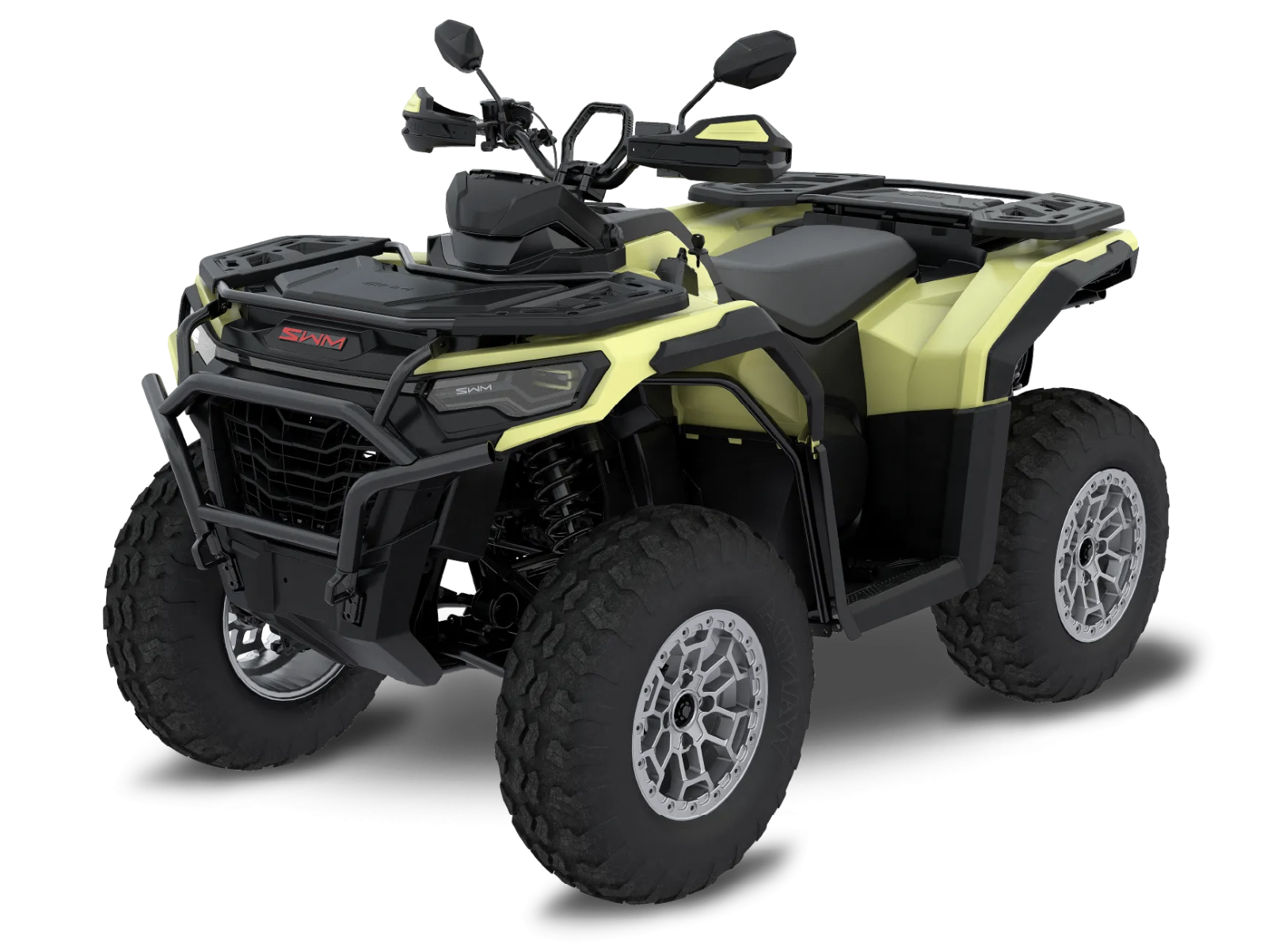
For example, SWM's Trailhunter 850 combines the engine, fuel delivery, CVT transmission, and off-road system into one vehicle platform built for high-intensity off-road use. For users comparing full-size ATVs, this kind of complete power and vehicle system design is also something to look at when judging whether an ATV is suitable for long-term use.
Final Thoughts
When an ATV starts knocking—or the knocking won’t go away—don’t just assume it’s normal engine noise. Oil, fuel, engine temperature, abnormal combustion, the valve train, and internal mechanical wear can all cause symptoms that sound alike.
Start by paying attention to when the sound shows up. Then check the oil, fuel, and other basic conditions. That can help narrow things down. If the knocking keeps going, gets worse, or comes with power loss, overheating, or other odd behavior, it’s usually safer to stop riding hard and have a professional check it than to keep using the vehicle.
-
Oct 08 2026
learn more
 ATV Engine Knocking Noise: Causes and What to Check
ATV Engine Knocking Noise: Causes and What to Check
ATV Engine Knocking Noise: Causes and What to Check
-
Oct 08 2026
learn more
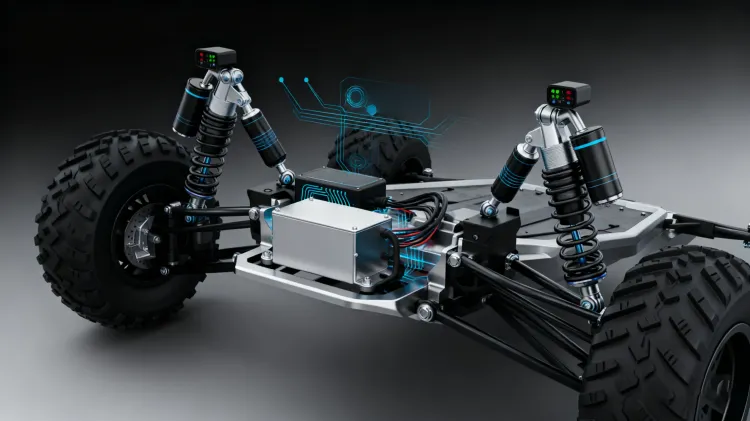 Is Electronic Suspension Worth It for ATVs & UTVs?
Is Electronic Suspension Worth It for ATVs & UTVs?
Is Electronic Suspension Worth It for ATVs & UTVs?
-
Oct 07 2026
learn more
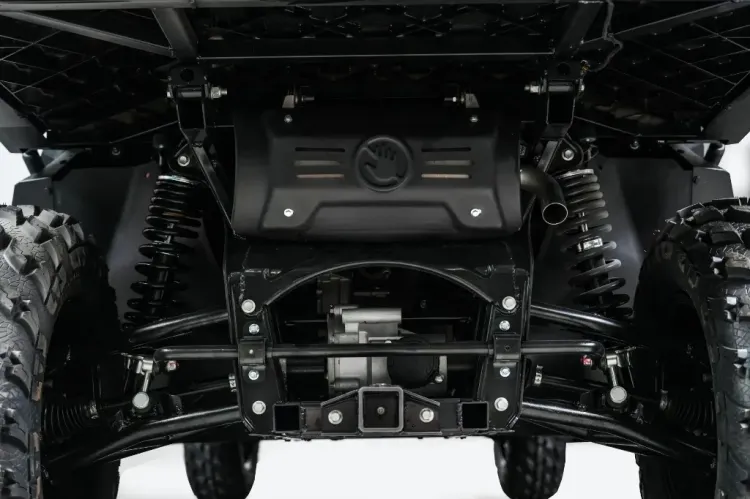 UTV Suspension: Types, Travel, and How It Works
UTV Suspension: Types, Travel, and How It Works
UTV Suspension: Types, Travel, and How It Works
-
Sep 30 2026
learn more
 First Buying ATV 10 Thing Need to Know
First Buying ATV 10 Thing Need to Know
First Buying ATV 10 Thing Need to Know