How Much Snow Can a UTV Side-by-Side Plow?
Sep 21 2026
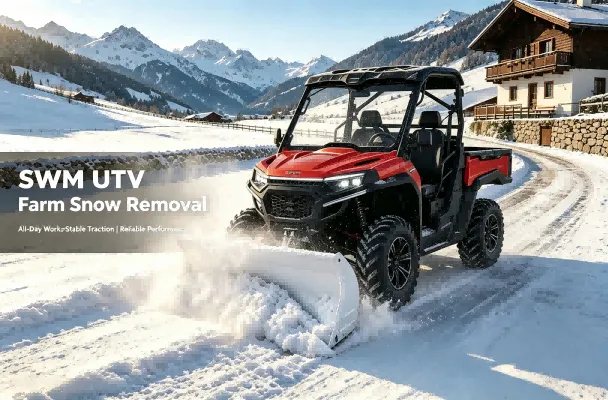
A properly equipped UTV side-by-side can usually plow 6–10 inches of snow effectively in one snowfall, with the best results when the snow is light and cleared before it becomes compacted. Larger, heavier UTVs with four-wheel drive, suitable tires, ballast, and a V-plow may handle 12–18 inches, but wet snow, ice, steep terrain, and deep drifts can reduce capacity significantly.
Snow condition | Practical UTV performance |
Light, dry snow | About 8–12 inches with the right setup |
Wet, heavy snow | About 4–8 inches per pass |
Packed or icy snow | Difficult; often requires multiple passes |
Deep drifts | Approximately 12–18 inches with a V-plow and a heavy-duty UTV |
More than 18 inches | Usually requires staged passes or a larger truck, loader, or skid steer |
These figures are practical operating ranges rather than strict manufacturer limits. A UTV may physically push deeper snow, but traction, steering control, front-end weight, and plow-mount stress become limiting factors.
What Determines Capacity?
UTV size and weight
A full-size UTV is generally a better snow-plowing platform than a compact recreational side-by-side. Models with approximately 700 cc or more, four-wheel drive, adequate ground clearance, and a curb weight around 1,500 pounds or higher are better suited to regular plowing.
Engine horsepower matters, but weight and traction are often more important. A lightweight UTV with plenty of horsepower may spin its tires or lose steering control before it runs out of engine power.
Blade width
Most UTV snowplows measure between 54 and 72 inches wide. A blade should normally extend beyond the UTV’s tire track so that angled plowing does not leave unplowed snow in front of the tires
54–60 inches: Compact or mid-size UTVs and narrow driveways.
66 inches: A practical choice for many full-size UTVs.
72 inches: Large UTVs, farm lanes, and wider driveways or lots.
Do not select the widest blade simply because the UTV has a powerful engine. An oversized blade can overload the front suspension, reduce maneuverability, and make the UTV difficult to steer.
Plow design
A straight blade works well for ordinary driveway maintenance and light-to-moderate snowfall. A V-plow is more effective for deep snow and drifts because it can split the snow before pushing it to the side. A scoop or containment-style blade can carry more snow, but it places additional demands on the UTV, lift system, and plow mount.
How Often Should You Plow?
For the most efficient results, plow every 3–6 inches of snowfall rather than waiting for the entire storm to finish. This prevents snow from becoming too heavy, compacted, or difficult to move.
For example, if a storm is expected to produce 12 inches:
Make an initial pass after 3–4 inches.
Plow again when another 3–4 inches accumulates.
Finish with a cleanup pass after the storm.
Clear snow away from buildings before the piles become too large.
This approach is usually more effective than attempting to push all 12 inches at once.
How Snow Type Changes Performance?
Snow weight can vary greatly. Dry powder is relatively easy for a UTV to move, while wet snow can become several times heavier. Wet snow should be handled with shorter passes, lower speed, and a partially angled blade.
When facing heavy snow:
Use four-wheel drive.
Engage the lowest practical gear.
Take half-width or shallow passes.
Keep the blade slightly angled instead of pushing a full wall straight ahead.
Back up and reposition rather than forcing the UTV through a stalled push.
Use a V-plow in the V position to break through drifts.
Avoid building piles where they obstruct visibility or freeze into hard banks.
Traction is often the first limitation. Aggressive winter tires, tire chains where permitted, and rear ballast can improve control, but added weight must remain within the UTV’s payload and axle ratings.
Recommended Setup
For residential driveways, farm lanes, and light commercial areas, a practical setup is:
Full-size UTV with four-wheel drive.
Engine displacement of approximately 700 cc or greater.
66- or 72-inch blade matched to the vehicle width.
Model-specific plow mount.
Winch or powered actuator for blade lifting.
Snow-rated tires with adequate tread.
Rear ballast within the manufacturer’s limits.
Plow with a trip-edge or trip-blade safety feature.
A 60–66-inch blade is generally sufficient for a standard driveway, while a 72-inch blade is better for open areas if the UTV is heavy enough to control it.
-
Sep 23 2026
learn more
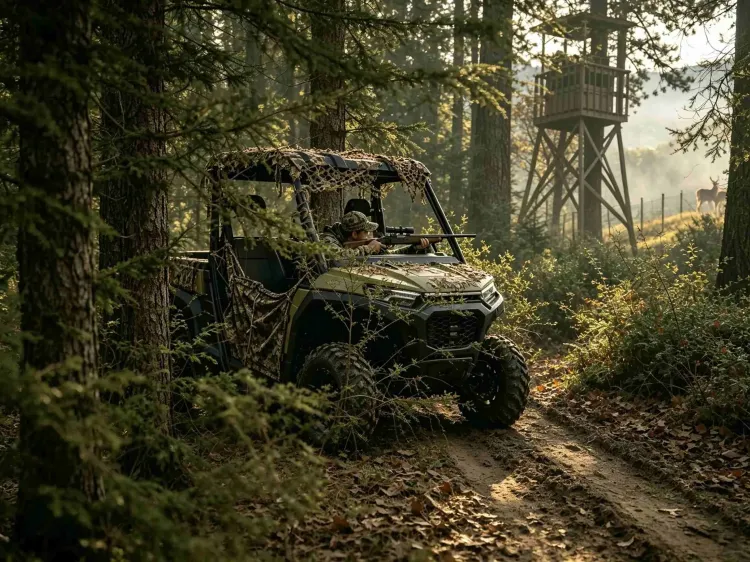 what is the best side by side utv for hunting?
what is the best side by side utv for hunting?
what is the best side by side utv for hunting?
-
Sep 21 2026
learn more
How Much Snow Can a UTV Side-by-Side Plow?
How Much Snow Can a UTV Side-by-Side Plow?
-
Sep 21 2026
learn more
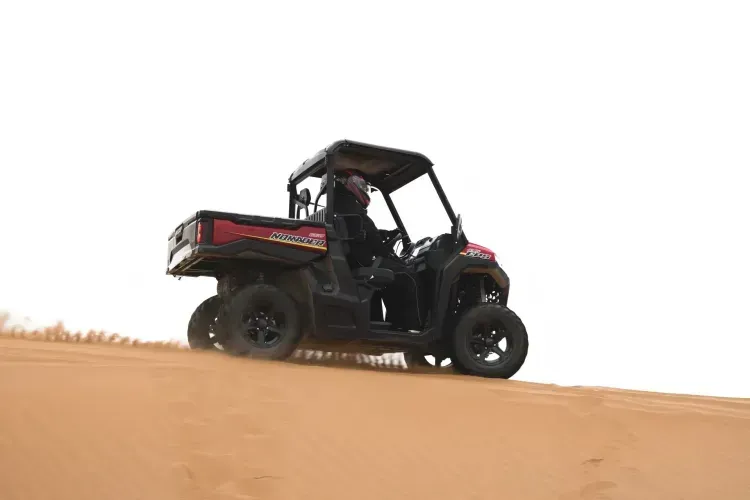 UTV Tire Pressure: How Much PSI Should You Run?
UTV Tire Pressure: How Much PSI Should You Run?
UTV Tire Pressure: How Much PSI Should You Run?
-
Sep 21 2026
learn more
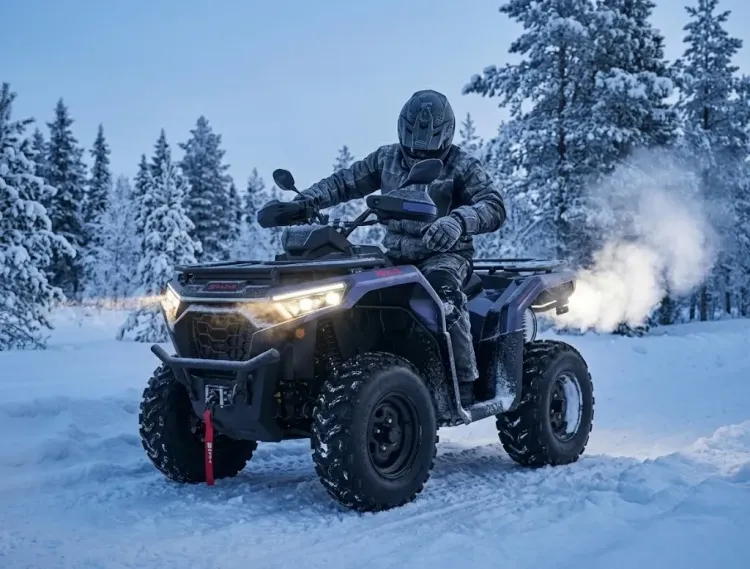 How Cold Weather Affects ATV Performance
How Cold Weather Affects ATV Performance
How Cold Weather Affects ATV Performance