How to Read ATV Tire Size: 27×9-14 Explained
Sep 20 2026

If you want to know how to read ATV tire size, skip the guesswork and go straight to the sidewall. Look at something like 27×9-14. It looks like a random code, but it’s really just three numbers with three separate jobs. First number? Overall diameter. Second? Width. Third? Rim size. That’s the whole trick. Learn that pattern once, and you’ll be able to sort out front and rear ATV tires without scratching your head.
How to Read an ATV Tire Size
Take 27×9-14 as an example. It can first be broken down into three numbers:
Marking | Meaning |
27 | Approximate overall tire diameter, in inches |
9 | Tire width, in inches |
14 | Rim diameter, in inches |
Note that the exact tire marking method may vary, but 27×9-14 is a very intuitive format for understanding this type of ATV tire size.
27 — Tire Diameter
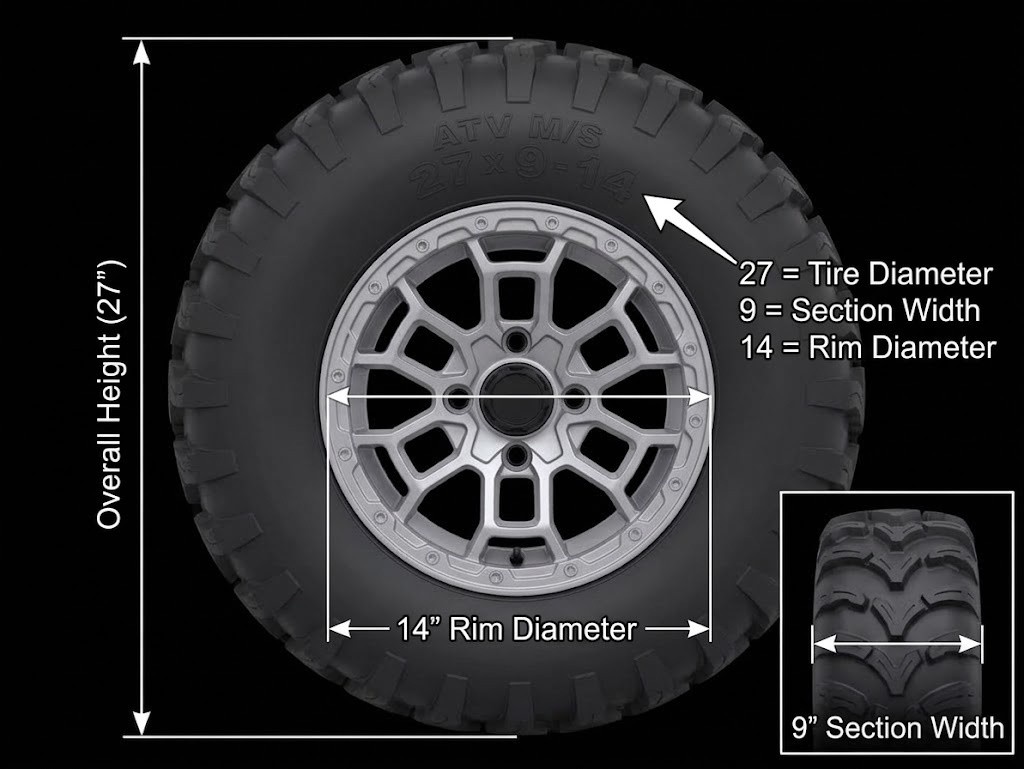
That first number is the tire’s overall diameter, and it’s usually given in inches. So in 27×9-14, the 27 means the tire stands roughly 27 inches tall. Simple enough. But here’s the catch—just because a tire says 27 inches doesn’t mean it’ll bolt onto any ATV. Diameter is only one piece of the puzzle.
9 — Tire Width
The second number is width, and yes, that’s in inches too. In 27×9-14, the 9 means the tire is about 9 inches wide. Don’t confuse it with the first number—it has nothing to do with height. It’s just how wide the tire sits.
And front and rear widths can be different. Say you’ve got a 27×9-14 up front and a 27×11-14 in the back. Same diameter, same rim size, but the rear tire is wider. That extra width usually helps with traction.
14 — Rim Diameter
Last number? That’s the rim diameter. In 27×9-14, the 14 means the tire is made for a 14-inch rim. It’s not the tire’s overall height—don’t mix those up. So if you remember one thing, remember this: 27 = overall tire diameter, 9 = tire width, 14 = rim diameter.
How to Read Front and Rear ATV Tire Sizes
Once those three numbers make sense, front and rear ATV tire specs stop looking like a foreign language.
Take the SWM TRAILHUNTER 850 . The official specs say 27×9-14 front and 27×11-14 rear. The 27 stays put, so both tires are nominally the same height. The middle number goes from 9 to 11, meaning the rear tire is wider. And the 14 stays the same, so both use a 14-inch rim.
Here’s the part people often skip: front and rear tires on the same ATV don’t have to match. Don’t assume they do. Check the manufacturer’s specs for your specific model—that’s the only way to know for sure.
When comparing different off-road vehicles, you also cannot assume that tires can be directly interchanged just because the size markings look similar. ATV and UTV tires may have different specification requirements due to differences in vehicle use, weight, and design requirements.
Inches and Metric ATV Tire Size Formats
Not all ATV tires use the 27×9-14 size expression. You may also see a three-part marking such as 250/70-12 on the sidewall, so you cannot read all numbers according to the same rule.
27×9−1427×9−14 : Inches Format
This format can be understood as:
Overall Diameter × Width - Rim Diameter
For example:
27 = approximately 27-inch overall diameter
9 = approximately 9-inch width
14 = 14-inch rim
250/70-12: Metric Format
Specifications such as 250/70-12 use a different expression logic:
250 = nominal tire width, usually in millimeters
70 = aspect ratio, meaning the sidewall height relative to tire width
12 = rim diameter, in inches
Therefore, 250/70-12 cannot be understood directly in the same way as 27×9-14. In particular, the 70 in the middle represents a ratio, not a direct tire width.
Some ATV tires may also have letter markings such as AT before the size. Such prefixes should be judged according to the specific tire manufacturer’s specifications, and the prefix itself should not be treated as one of the numbers in the tire size.
How to Find Your ATV Tire Size
If you do not know what size your ATV uses, you can usually confirm it from the following locations.
Check the Tire Sidewall
The fastest way to find your ATV tire size? Look at the tire itself. There’s usually a size stamp right on the sidewall—something like 27×9-14 or whatever format your tire uses. Find it, then read the numbers according to that format. If the tire is old and the sidewall is scuffed up, don’t squint and guess. Check the owner’s manual or the official specs instead.
Check the Owner's Manual
The vehicle owner’s manual usually provides the original tire and rim specifications.
If you are preparing to replace tires, checking the owner’s manual can help you avoid guessing based only on the appearance or size of the existing tires.
Check Manufacturer Specifications
The vehicle manufacturer’s official specifications are also an important source for confirming tire size.
For example, SWM model specifications can provide the front and rear tire sizes for a specific model. Comparing this official data with the markings on the tire sidewall can help you more accurately confirm the size currently used on the vehicle.
Other Markings on an ATV Tire Sidewall
In addition to the basic tire size, other letters and numbers may appear on the sidewall. They are not necessarily part of the size itself, but they may still be related to tire use and installation.
Marking | What It Generally Means |
Tire Size | Basic tire dimensions, such as 27×9-14 |
Ply Rating | Traditional marking used to describe the tire’s structural strength rating |
Load Rating | Information related to the tire’s load capacity |
Direction Arrow | Recommended rotation direction for directional tires |
Among these, Ply Rating should not be simply understood as the actual number of body plies in the tire. It is more often used to indicate the tire’s structural strength rating. Therefore, if you need to judge the specific load or structural performance of a tire, you should further check the specifications provided by the tire manufacturer.
If there is a direction arrow on the sidewall, you also need to pay attention to the rotation direction indicated by the arrow during installation to ensure the tire is used in the direction specified by the manufacturer.
This information is not the same concept as basic sizes such as 27×9-14. Therefore, when reading ATV tire size, you should first find the actual size marking, and then understand the other sidewall information separately.
Quick Check Before Replacing an ATV Tire
Before you order a replacement tire, do a quick sanity check. First, find the size marking on your current tire’s sidewall. Then look up the front and rear sizes in the official specs for your model. It takes two minutes and can save you from buying the wrong tire.
It is especially important to note that understanding tire size does not mean you have confirmed tire fitment. 27×9-14 only tells you the basic size information of the tire; whether it is suitable for a particular ATV still needs to be judged based on the vehicle’s specific specifications and the manufacturer’s fitment requirements.
Conclusion
Reading ATV tire size really comes down to one thing: knowing what each number means. With 27×9-14, it’s 27 for overall diameter, 9 for width, and 14 for rim diameter. But not every tire plays by that rule. See something like 250/70-12? That’s a different format, so read it with the metric rules. Don’t just assume the numbers work the same way.
Once you master these basic rules, you can first find the tire size from the sidewall, and then confirm it together with the specific ATV’s front and rear tire specifications and rim size, so as to avoid judging that a tire can be used directly just because the numbers look similar.
-
Sep 20 2026
learn more
How to Read ATV Tire Size: 27×9-14 Explained
How to Read ATV Tire Size: 27×9-14 Explained
-
Sep 17 2026
learn more
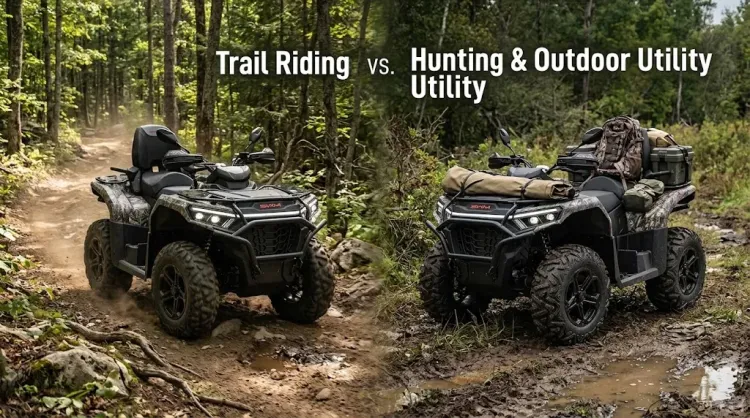 ATV Trail Riding vs Hunting: How to Choose the Right ATV
ATV Trail Riding vs Hunting: How to Choose the Right ATV
ATV Trail Riding vs Hunting: How to Choose the Right ATV
-
Sep 16 2026
learn more
 What Size UTV Do I Need? 5 Steps to Choose the Right One for You
What Size UTV Do I Need? 5 Steps to Choose the Right One for You
What Size UTV Do I Need? 5 Steps to Choose the Right One for You
-
Sep 15 2026
learn more
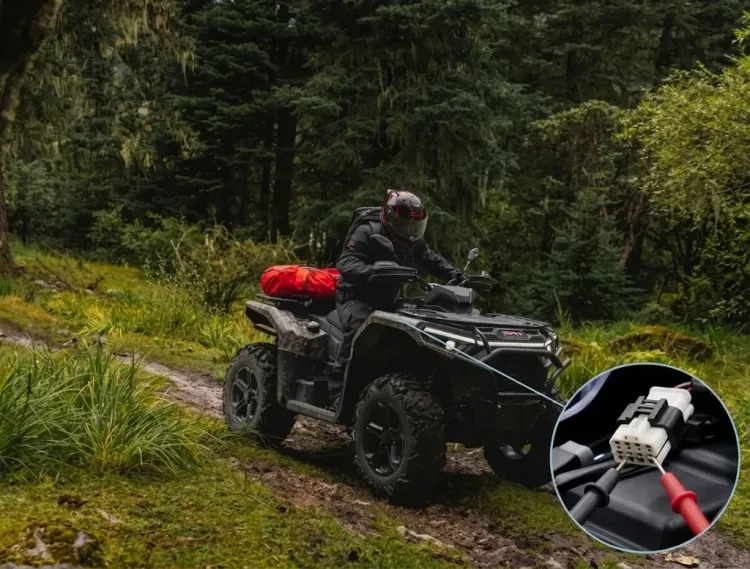 How to Test a Stator on ATV: 4 Tests to Diagnose It
How to Test a Stator on ATV: 4 Tests to Diagnose It
How to Test a Stator on ATV: 4 Tests to Diagnose It