Is a UTV the Same as a Golf Cart?
Jul 11 2026
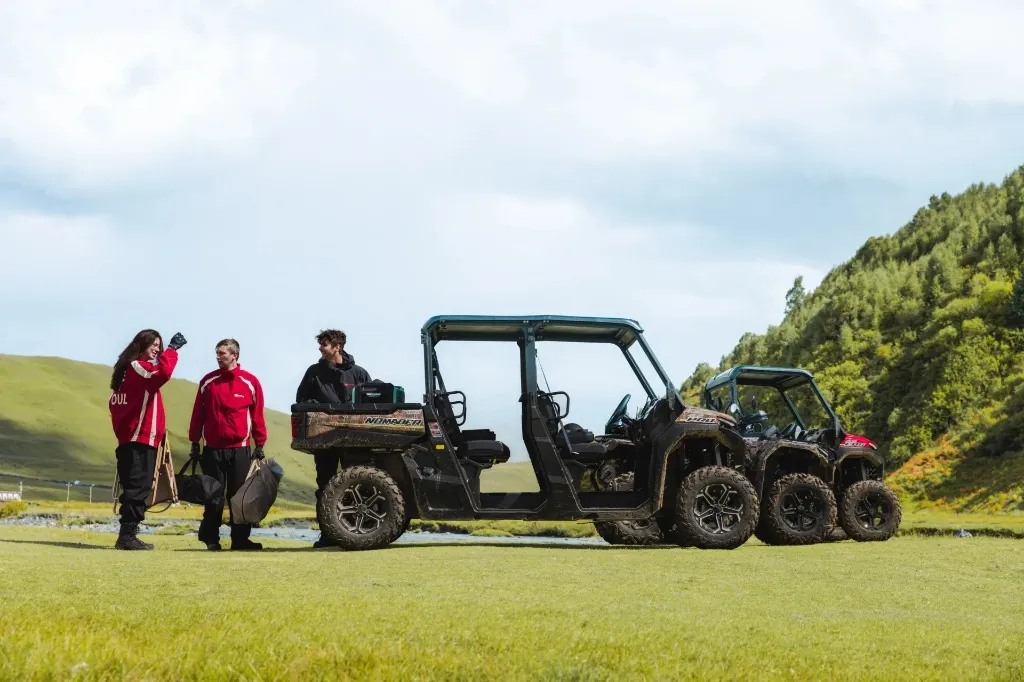
At a glance, a UTV (Utility Task Vehicle) and a golf cart look like close relatives. They both have four wheels, side-by-side seating, and steering wheels.
But mechanically, functionally, and legally, they are entirely different animals. Calling an all-terrain UTV a golf cart is like comparing a heavy-duty pickup truck to a motorized neighborhood scooter.
The Golf Cart is a "leisure shoe for a refined neighborhood"—a light, low-speed transport vehicle.
The UTV is a "hardcore work boot for the wilderness"—built ruggedly to handle heavy work and brutal off-road trails.
Because of local traffic laws, built-in safety features, and their intended purposes, UTVs and golf carts cannot be used interchangeably.
UTV vs. Golf Cart: Why They Aren't the Same
Feature | Golf Cart | UTV (Side-by-Side) |
Top Speed | ~15 mph (24 km/h) | 25 to 60+ mph (40 to 100+ km/h) |
Terrain | Flat pavement, manicured grass, gravel paths. | Deep mud, rocky trails, steep hills, snow. |
Hauling/Towing | A few hundred lbs (passengers + golf bags). | 1,000+ lbs cargo capacity; up to 2,500 lbs towing. |
Street Legality | Often allowed in low-speed communities (<25mph). | Strictly forbidden on pavement in most regions. |
1. Purpose & Design Differences
The Golf Cart: A small vehicle engineered for zero interference. It features low-pressure, smooth tires meant to protect delicate country club grass. It runs quietly on low-noise electric motors or whisper-quiet gasoline engines.
The UTV: Built for all-terrain dominance. Also known as a side-by-side (SxS), a UTV is a heavily mechanized, high-powered utility workhorse. It features aggressive, deep-treaded off-road tires, a massive independent suspension system, a reinforced roll cage, and large-displacement gas or diesel engines (typically 500cc to 1000cc+). It is designed to dominate mud, rocky climbs, deep snow, and steep hills.
2. Power & Performance Capabilities
Speed: A standard golf cart gently tops out at around 15 mph. UTVs, on the other hand, are engineered for high speeds. Work-oriented UTVs easily reach 25 to 50 mph, while sport models can clear 60 to 80+ mph.
Payload & Towing: A golf cart is meant for a few passengers and their gear—usually totaling a few hundred pounds. A UTV features a heavy-duty rear cargo bed (often with a hydraulic dump feature) that can haul 1,000+ lbs of gravel, timber, or feed, and can tow up to 2,500 lbs.
3. Practical Environments & Scope of Use
Where you will find Golf Carts: Retirement communities, golf courses, massive industrial warehouses, paved resorts, and flat campgrounds. They require smooth asphalt, concrete, or even-cut lawns. If you try taking one down a muddy forest trail, you will be calling a tow truck within minutes.
Where you will find UTVs: Deep forests, active farming and ranching properties, rugged commercial construction sites, hunting grounds, and official Off-Highway Vehicle (OHV) trail parks. Available with fully enclosed cabs, heaters, and air conditioning, UTVs are true all-weather machines.
4. Legal & Regulatory Restrictions
Golf Carts and the Law
In many regions, golf carts are legally classified as Low-Speed Vehicles (LSVs).
Public Roads: Standard golf carts are generally banned from public streets. However, many towns have localized "golf cart exemptions" allowing them on public roads with speed limits under 25 mph—provided they are retrofitted with basic safety equipment (headlights, turn signals, mirrors, and seatbelts).
Driver Requirements: In private or gated communities, the barrier to entry is very low. You often do not need a driver's license, and older children or teenagers frequently operate them under parental supervision.
UTVs and the Law
UTVs are strictly classified as Off-Highway Vehicles (OHVs) or Off-Road Vehicles (ORVs).
Public Roads: Because they are heavy and incredibly fast, most states and countries strictly prohibit UTVs from driving on paved public roads or highways. They are designed for dirt, not asphalt. (Though some rural or farming communities allow exceptions for farmers moving between adjacent fields).
Public Lands & Trails: UTVs have legal access to thousands of miles of state and federal off-road trail systems, but they usually require an annual registration sticker or permit.
Driver Requirements: The safety rules are much tighter here. Operators must hold a valid driver's license, and in many jurisdictions, all passengers are legally mandated to wear DOT-approved helmets and eye protection while on public trails.
5. The Mandatory Insurance Difference
What triggers mandatory insurance is completely different for these two vehicles:
What triggers a Golf Cart's mandatory insurance? Street Legality. If you keep your golf cart on your own private land or inside a private country club, the law never forces you to buy insurance. The exact moment insurance becomes legally mandatory is when you decide to register it and drive it onto a public neighborhood street.
What triggers a UTV's mandatory insurance?
Public Land & Bank Loans. Even if you never touch an inch of pavement, you will face mandatory insurance in two main scenarios
Public Trails: The moment you transport your UTV to a state forest, national park, or public off-road trail system, the government park authorities legally mandate that you show proof of liability insurance to enter.
Financing: Because UTVs are high-performance machines (often costing $15,000 to $35,000 USD), most people choose to finance them. If you take out a loan, the bank or lender will legally mandate full-coverage physical damage insurance until the loan is paid off.
-
Oct 08 2026
learn more
 ATV Engine Knocking Noise: Causes and What to Check
ATV Engine Knocking Noise: Causes and What to Check
ATV Engine Knocking Noise: Causes and What to Check
-
Oct 08 2026
learn more
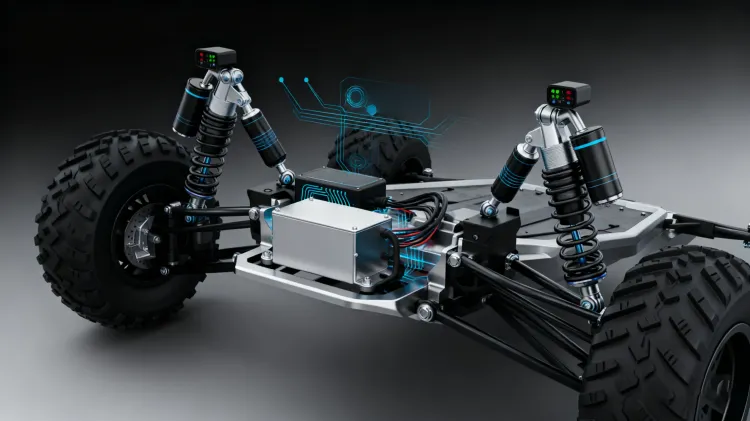 Is Electronic Suspension Worth It for ATVs & UTVs?
Is Electronic Suspension Worth It for ATVs & UTVs?
Is Electronic Suspension Worth It for ATVs & UTVs?
-
Oct 07 2026
learn more
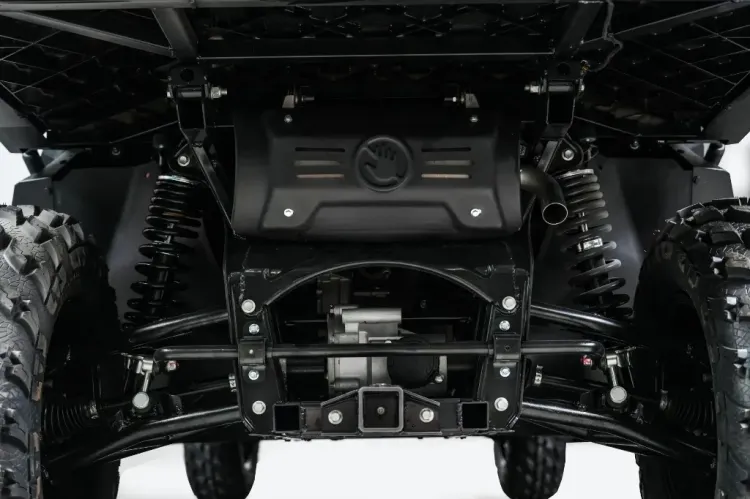 UTV Suspension: Types, Travel, and How It Works
UTV Suspension: Types, Travel, and How It Works
UTV Suspension: Types, Travel, and How It Works
-
Sep 30 2026
learn more
 First Buying ATV 10 Thing Need to Know
First Buying ATV 10 Thing Need to Know
First Buying ATV 10 Thing Need to Know