ATV Hunting: 9 Tips for a Safer, Smarter Hunt
Aug 24 2026
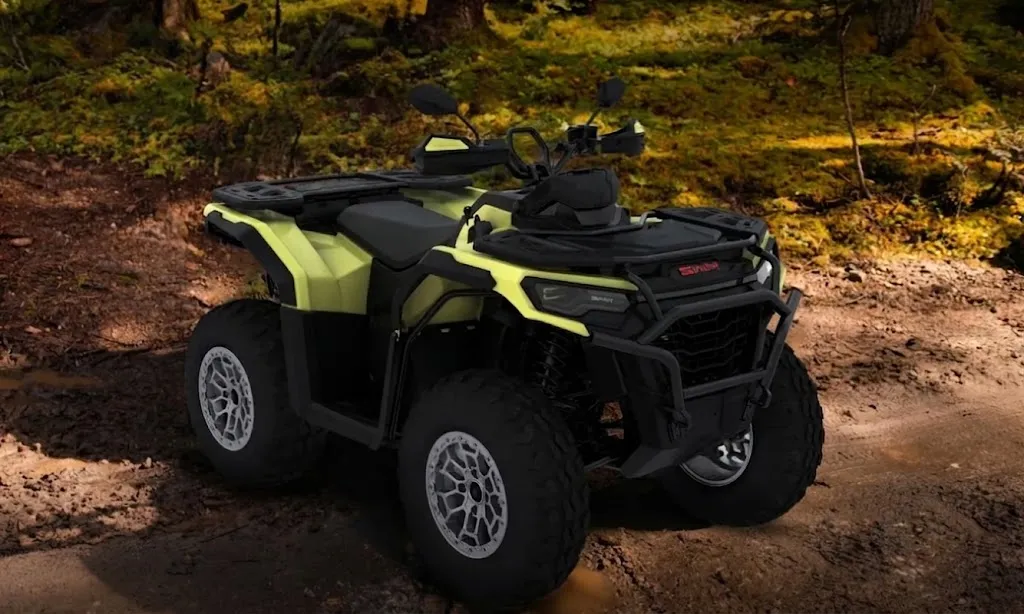
Let’s face it. Hiking into remote hunting grounds with a heavy pack is a grind.
Add a bow, a tree stand, and a full day’s worth of gear, and you’re worn out before the hunt even begins.
That’s exactly why ATV hunting has caught on with so many hunters. Not for chasing animals from the seat, that’s not the point. It’s about covering those hard-to-reach trails, hauling the essentials, and getting your harvest out without wrecking your body.
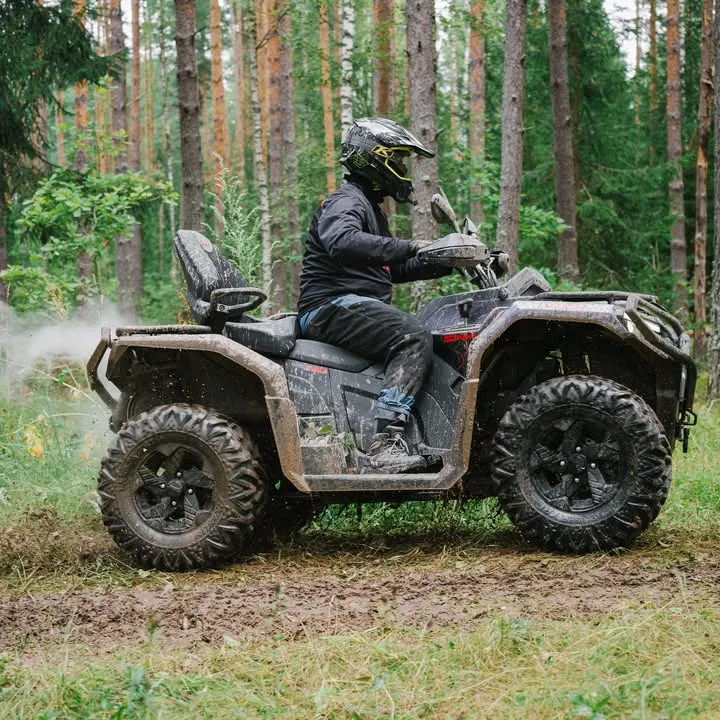
An ATV does more than save your legs. It stretches your range, makes scouting tough country faster, and hauls way more than a backpack ever could. In dense timber or open backcountry, it’s one of the handiest tools you can own. In fact, it ranks among the most versatile uses for ATVs you’ll find in the field.
But here’s the real deal. ATV hunting is about access, not pursuit. You ride legal trails, get close quietly, and recover game safely. The hunt itself still happens on foot, with patience and skill.
The nine tips below come from actual experience, not theory. Use them as a pre-trip checklist.
Tip 1: Choose the Right ATV for Your Hunting Terrain
Picking an ATV for hunting? Don’t start with engine size. Start with your terrain.
Trail width, ground clearance, traction, and payload capacity – these matter more than horsepower.
A big motor won’t help if you can’t fit between the trees. On open slopes, you need clearance and grip, not brute force. What really counts is how well the machine handles the ground you actually ride and the weight you actually carry.
Not sure which type fits? Take a look at the different ATV and UTV options. Quick rule of thumb: riding solo on narrow trails? Go ATV. Hunting with a buddy or hauling bulky loads? A UTV makes more sense.
Tip 2: Know Where You Can Ride Before Hunting
Land access rules aren’t optional. They’re the law.
Too many hunters assume their license covers vehicle access everywhere. It doesn’t.
Remember this: A hunting license does not automatically give you permission to operate an ATV everywhere you can hunt.
Hunting permission does not equal ATV access. Full stop.
Check ATV Access vs. Hunting Permission:
On private land, get explicit consent from the owner. On public land, look for designated ATV routes and motorized restrictions. Each area is different, so check the maps.
Check Seasonal Closures & Restricted Areas:
Forest roads close for reasons – mud, fire danger, wildlife protection. Also watch for wildlife refuges and other no-go zones. Ignorance won't get you out of a ticket.
Check Local Weapon Laws:
Transporting firearms or compound bows comes with specific rules. Some states require unloaded weapons; others demand they be cased. Verify local regulations before you load up.
Tip 3: Scout Your Route Before Riding In
Scouting isn’t just about finding deer signs. It’s about mapping a safe, workable path – from trailhead to parking spot and back.
Identify Trail Obstacles:
Check trail width ahead of time. Look for deep mud, steep grades, fallen trees, and water crossings. Surprises in the backcountry are rarely pleasant.
Locate Parking Spots:
Decide where you’ll leave the ATV before you reach your hunting position. Pick spots that are hidden and away from animal travel routes.
Plan Entry and Exit:
Map your whole loop – riding route, stopping point, walking path to the stand, and the return trip with game. A clear plan reduces noise and last-minute guesswork.
Plan where you will stop the ATV before you enter the hunting area.
That stops you from riding too deep and spooking game before you even set up.
Tip 4: Prepare Your ATV and Hunting Gear
A breakdown miles from help can ruin a hunt – and put you at risk.
A few minutes of pre-ride checks can save you hours of trouble.
Stick to a routine: check tire pressure, fuel, oil and coolant, brake response, battery, and lights. It’s not glamorous, but it’s what keeps you moving. Follow standard ATV safety practices for a thorough once-over.
Safety & Survival Gear:
Always carry a DOT-approved helmet, and wear blaze orange if required. Pack a well-stocked first-aid kit, plenty of water, and high-calorie food. Conditions can shift fast.
Recovery Tools:
Equip your ATV with a winch, heavy-duty tow straps, a tire repair kit, and a portable air pump. These turn a potential stranding into a manageable delay.
Weapon Transport:
Secure firearms or bows according to local laws. Use proper racks or cases – you don’t want anything shifting or getting banged up on rough trails.
Tip 5: Ride Quietly When Approaching Hunting Areas
Noise spooks game. It’s that simple.
ATV engine noise can alert game before you ever reach your hunting position. The sound travels far, and once they hear you, they’re gone.
Slow Down & Avoid Sudden Acceleration:
As you get close, ease off the throttle. Drive smoothly. Abrupt revs carry a long way in still woods.
Minimize Idling:
When you park, shut off the engine right away. Don't let it idle – that steady hum warns wildlife for hundreds of yards.
Secure Rattling Equipment:
Before you head out, tighten everything on the racks. Loose metal tools or coolers clatter on bumps and give away your approach.
Pay Attention to Wind:
Factor wind into your riding and walking path. If you’re upwind, your scent travels straight to the game. Adjust accordingly.
Tip 6: Park Your ATV Away From Your Hunting Position
Parking is strategic, not an afterthought.
The ATV should get you close to the hunting area, not directly to your hunting position. That distance preserves the element of surprise.
Don't Park Next to Blind/Stand:
Never leave your machine right beside your tree stand or ground blind. The sight and smell will spook animals. Walk the last stretch on foot.
Use Terrain and Vegetation as Cover:
Hide the ATV behind ridges, dense brush, or natural dips. Break up its silhouette so it doesn't stand out.
Avoid Game Trails:
Keep off animal paths and away from water sources. These are regular travel routes – your parked vehicle becomes an obstacle they’ll avoid.
Tip 7: Use the ATV to Recover Game Safely
This is where the ATV earns its keep. But safety comes first.
Golden rule: never overload your machine.
Check Payload and Rack Limits:
Add up rider weight, gear, and game. Make sure the total stays under the ATV’s rated capacity for both racks.
Keep Weight Low and Centered:
Position the game as low as possible and centered on the racks. A lower center of gravity reduces rollover risk on uneven ground.
Secure the Load:
Use heavy-duty straps to fasten it tightly. The load must not shift, touch the wheels, or interfere with steering – any movement can throw you off balance.
Use a Trailer When Necessary:
If the game exceeds your rack capacity, don’t risk it. Use a properly rated off-road trailer.
Tip 8: Carry Essential ATV Hunting Gear
Accessories add function, but each one adds weight. Be selective.
Winch / Recovery Rope:
Indispensable for mud or steep terrain – also handy for dragging heavy game out of tight spots.
Tire Repair Kit & Portable Inflator:
A flat tire in the middle of nowhere is a major setback. A plug kit and small pump let you fix it on the trail.
Gun / Bow Rack:
A secure rack protects your weapon from bouncing and impacts during rough rides.
First-Aid & Navigation Equipment:
Always pack a first-aid kit, plus offline GPS and paper maps. Cell coverage is unreliable in most hunting areas.
Every accessory adds weight, so account for it in your total payload. Factor that into your load calculations from the start.
Tip 9: Plan Your Return Before Dark
The hunt doesn’t end at the shot. Getting back safely takes as much planning as the approach.
Leave enough daylight.
Many hunters underestimate return time – especially with game. Give yourself a generous buffer.
Allow extra time for game recovery.
Field dressing, loading, and securing the animal take longer than expected. Add at least an hour to your estimate.
Follow the planned route.
Stick to the path you scouted. Now isn’t the time to explore new trails – darkness amplifies every hazard.
Carry backup lighting and navigation.
Bring extra headlamps, spare batteries, and a reliable GPS or compass. If daylight runs out, you’ll still have the tools to find your way.
Which SWM ATV or UTV Fits Your Hunting Needs?
SWM builds machines that actually match real-world hunting demands. Two main options stand out.
Trailhunter 850:
For solo hunters tackling narrow trails and rough ground, this is a solid pick.
Ground clearance? 301 mm. Rack capacity? 150 kg. Towing? 830 kg. That’s enough for your gear, a decent deer, and even a small trailer if needed.
Nomader UTV Series:
Hunting with a partner or carrying bulkier loads? The Nomader gives you side-by-side seating and a dedicated cargo bed. It’s built for group trips and heavier equipment where ATV racks fall short.
Choose based on trail width, passenger count, and actual cargo weight – not just engine size.
The right ATV for you depends on your terrain, load, experience, and local rules. Maybe you need something nimble for tight woods. Maybe you need a utility rig for heavy gear and recovery.
Get the balance right – clearance, traction, cargo capacity, and recovery gear – and your ATV hunting trips get safer and more productive.
Ready to compare? Check out the SWM ATV and UTV lineup to find a setup that suits your riding and hunting style.
-
Oct 08 2026
learn more
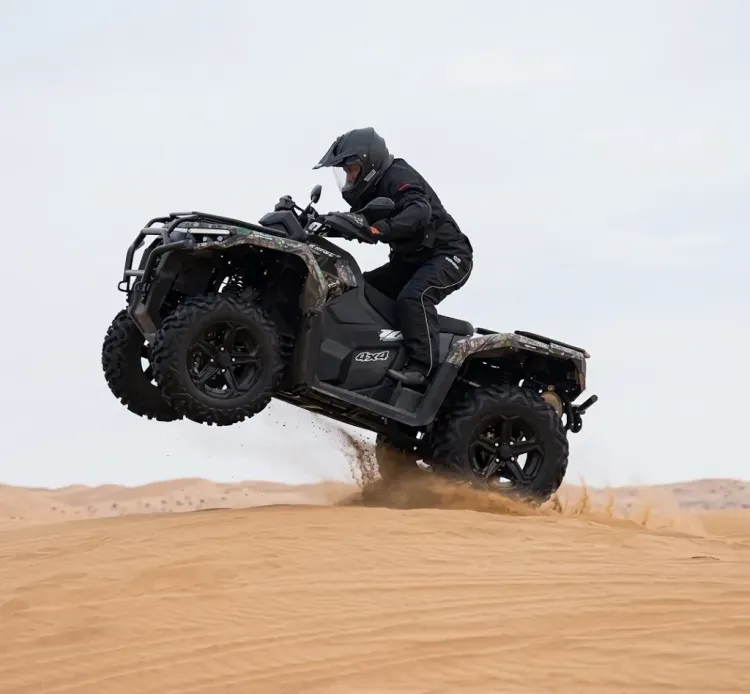 ATV Engine Knocking Noise: Causes and What to Check
ATV Engine Knocking Noise: Causes and What to Check
ATV Engine Knocking Noise: Causes and What to Check
-
Oct 08 2026
learn more
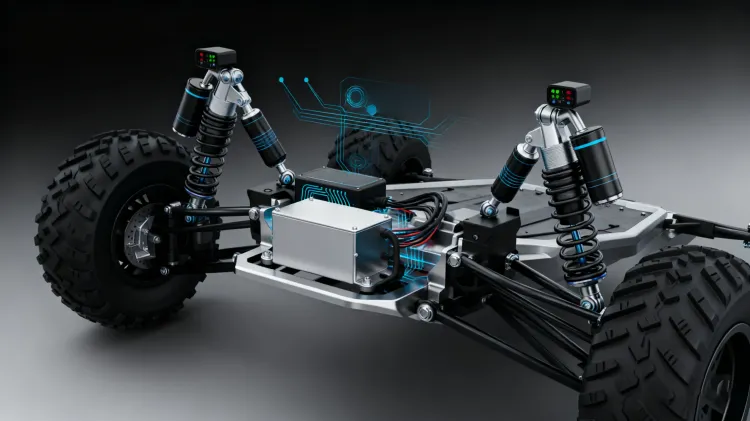 Is Electronic Suspension Worth It for ATVs & UTVs?
Is Electronic Suspension Worth It for ATVs & UTVs?
Is Electronic Suspension Worth It for ATVs & UTVs?
-
Oct 07 2026
learn more
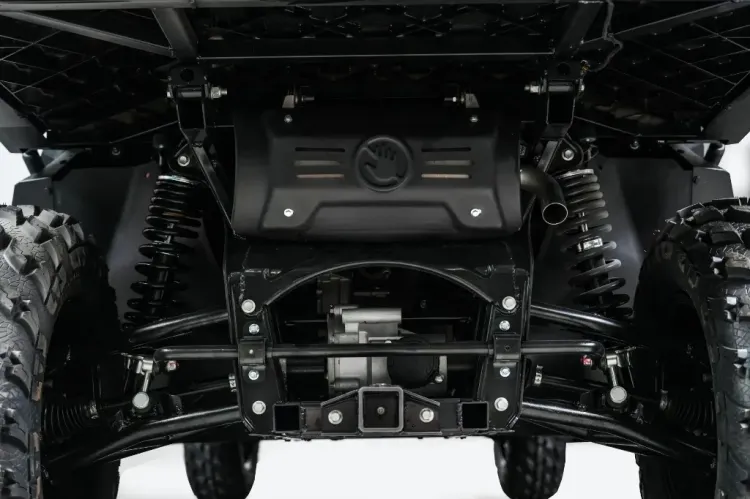 UTV Suspension: Types, Travel, and How It Works
UTV Suspension: Types, Travel, and How It Works
UTV Suspension: Types, Travel, and How It Works
-
Sep 30 2026
learn more
 First Buying ATV 10 Thing Need to Know
First Buying ATV 10 Thing Need to Know
First Buying ATV 10 Thing Need to Know