UTV Safety: 12 Essential Rules for Every Rider
Aug 25 2026
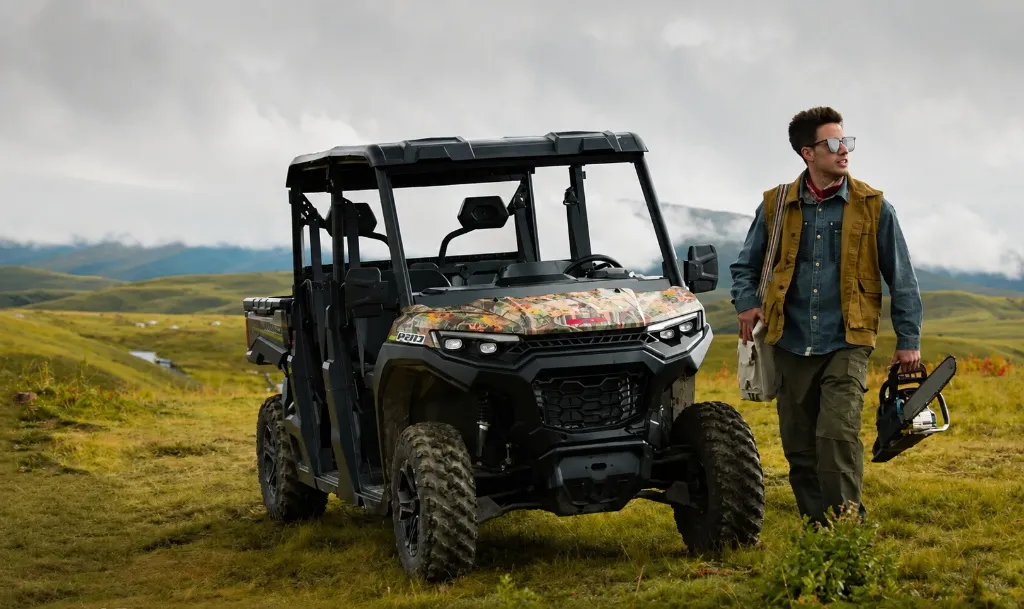
UTV safety — let’s get this straight. It doesn’t start when you’re already bouncing over rocks. Nope. It starts way earlier. Like, the moment you walk up to your machine with the key in your hand.
So here’s the deal. Take a few minutes. Every single ride. Look over your vehicle. Check that your passengers know what they’re doing. And size up the terrain you’re about to hit. Most UTVs have ROPS — that’s Roll Over Protection Structure — and seat belts. Good. But out on the trail? You’ve still got rollovers, ejections, collisions, hidden holes. Real risks.
These 12 rules cover it all. Pre-ride checks. Gear. Passengers. Tricky ground. Low visibility. Even what to do when things go wrong. They’ll help you dodge the most common off-road headaches.
1. Inspect Your UTV Before Every Ride
Think of it this way. A quick once-over now can save you from being stuck miles from nowhere later. Seriously. Ten minutes of looking. Saves hours of cursing.
Tires & Pressure — check the pressure. Match the manufacturer’s number. Run your eyes over the sidewalls. Any cuts? Punctures? Good tires give you predictable grip and steering. Without that? You’re guessing.
Brakes — push the pedal. Should feel firm. Not spongy. Not mushy. Also peek at the fluid level. Look for wet spots or leaks along the lines. Solid brakes? They’re your best friend on steep downhills. Or in a panic stop.
Steering & Throttle — turn the wheel lock to lock. Feel for sticking. Or too much play. Press the gas. Let it go. It should snap right back. Smooth. Quick response keeps you on your line.
Suspension & Wheels — look at the arms and connections. Cracks? Damage? Give the wheel nuts a shake. Make sure they’re tight. Good suspension soaks up the rough stuff without breaking.
ROPS & Seat Belts — check the roll cage bolts. Tight? Yank each belt hard. Make sure the latch locks. That’s your lifeline in a rollover.
Lights, Fuel & Battery — wipe the light covers. Check battery terminals for crud. Make sure you’ve got enough fuel or charge for the whole trip — and then some. Good lights and juice keep you from being stuck out there in the dark.
Safety Reminder — if you find spongy brakes, sticky steering, low tire pressure, or loose ROPS bolts? Don’t ride. Fix it. Not worth the gamble.
2. Wear a Helmet and the Right Safety Gear
Your PPE — personal protective equipment — is your shield. Against impacts. Flying rocks. Rollover bruises. Think of it as a second skin.
Helmet — get one that fits right. Meets DOT, ECE, or Snell standards. A good helmet is the single best thing you can wear. Cuts severe head injury risk big time.
Eye Protection — if your helmet doesn’t have a visor, grab proper off-road goggles. Mud, dust, tiny stones, low branches — they’ll ruin your day without clear vision.
Gloves — go for durable ones with grippy palms. They give you a much better hold when the trail gets bumpy. Plus, they save your hands from blisters and scrapes.
Long Sleeves & Long Pants — wear heavy-duty stuff. Covers your skin from scratches. Also protects against hot engine parts if you bump into them.
Over-the-Ankle Boots — always high-tops with slip-resistant soles. No sandals. No flip-flops. Proper boots support your ankles and protect your feet when you work the pedals or step onto rough ground.
3. Buckle Up and Stay Inside the UTV
ROPS is there for a reason. But that roll cage only protects you if you stay inside it. Seat belts keep you in that protected zone.
Buckle Up Before Moving — every passenger. Belt on. Snug. Before you even start the engine. Keep it that way the whole ride. That’s what holds you in during a sudden stop — or a rollover.
Sit Properly — back against the seat. Feet flat on the floor. That way the restraint system works exactly how it’s designed to.
Keep Limbs In — hands, arms, feet, legs — all inside. Always. Don’t grab the outside ROPS bars. Don’t rest your arm on the door. If the vehicle tips, you want everything inside that cage.
4. Carry Only the Right Passengers
Overload your UTV or carry people the wrong way? You mess with balance and handling. It’s not just uncomfortable. It’s dangerous.
Follow the Seat Limit — never carry more people than factory seats. No sitting in the cargo box. No hood. No anywhere else. Each person needs a proper seat and their own belt.
Kids Need to Fit — make sure young passengers meet age, height, and local legal rules. When seated, their back should touch the seat. Feet should reach the floor so the belt fits correctly.
No Riding in the Cargo Box — this is non-negotiable. That area has no seat belts and no rollover protection. Not for people. Ever.
5. Control Your Speed and Avoid Sudden Moves
How does your UTV handle? Depends on size, load, suspension, tires, and the ground. And because various UTV types have very different suspension and power delivery, you’ve got to adjust your speed for your specific rig. Speed control is your number one tool against losing it.
Adjust to the Terrain — visibility poor? Trail rough? Slow down. A sane speed gives you time to react. Room to stop. Room to dodge that unexpected rock or ditch.
Brake Before the Turn — ease off the gas. Brake on the straight part before you enter the corner. Then turn the wheel smoothly. Braking early keeps your tires gripping. Lowers the risk of rolling sideways.
Hands at 9 and 3 — keep both hands on the wheel at nine and three. Firm grip stops the wheel from jerking out of your hands if a front tire smacks a rock or gets caught in a deep rut.
Never Ride Impaired — no alcohol. No drugs. No meds that cloud your head. You need clear thinking and fast reactions. Period.
6. Handle Hills and Slopes Carefully
Slopes are all about weight shift and traction. Rule of thumb: avoid driving sideways across steep slopes if you can. Straight up and straight down usually keeps your center of gravity more stable.
Going Uphill Safely — check the slope before you commit. Got low gear or 4WD Low? Engage it per the manual before you start climbing. Keep a steady throttle. No sudden acceleration. No sharp steering.
Going Downhill Safely — slow down before you reach the top. Use engine braking or descent control if you have them. Combine with light, steady brake pressure. That keeps your speed in check without cooking your brakes.
Driving on Side Slopes — crossing a steep angle sideways? That cranks up your rollover risk. If the slope feels sketchy — or you think you’re near the limit — turn around. Find another path. Longer is better than rolled.
7. Adjust Your Driving for Mud, Rocks, Sand, and Water
Different ground, different moves. You don’t drive mud the same as rocks. Here’s the breakdown.
Mud — if you have 4WD, engage the right mode as per your manual. Apply steady, even throttle to keep forward push. That reduces wheel spin and lowers your odds of getting stuck.
Rocks — use Low Range if you’ve got it. Creep along at a crawl. Pick your tire placement carefully. Protect your skid plates, suspension arms, and drivetrain from hard hits.
Sand — check your owner’s manual for tire pressure numbers. Some manufacturers give specific pressure for sand or soft terrain. Don’t go below their minimum. Keep a steady throttle so you don’t sink into deep soft spots.
Water — know your UTV’s max water depth and procedure. Enter slowly to avoid pushing a big wave. Drive at a low, steady speed. Keep water from splashing into the air intake or air filter.
8. Keep Cargo and Towing Within Safe Limits
Whether you’re hauling farm gear or camping supplies, staying within weight limits is critical. In all sorts of UTV applications — agriculture, recreation, you name it — respecting the rated capacity keeps your balance and braking predictable.
Secure Your Cargo — put heavier items as far forward and as low as you can. Use heavy-duty straps. Tie them down tight. That stops weight from shifting suddenly during turns or on slopes. Keeps your machine stable.
Tow by the Rules — use the right hitch pin. Hook up safety chains properly. Never exceed the tow rating. Stay within limits and you’ll stop reliably. Plus, you avoid trailer sway — that’s scary stuff.
9. Follow Trail and Worksite Safety Rules
Public trail, farm, ranch, construction site — rules are there to protect everyone. It’s about being a good neighbor and a smart operator.
Stay on Designated Routes — ride only on open, marked trails. Respect private property. That helps you dodge hidden obstacles and reduces environmental wear.
Slow at Blind Spots — ease off the gas as you approach blind turns, hill crests, or trail intersections. Be ready to yield — to hikers, horseback riders, or heavy machinery.
Parking Safety — when you park at a jobsite or farm, pick level ground. Set the parking brake. Take the keys. Prevents unauthorized use or accidental rolling.
10. Be Careful on Roads and in Low Visibility
On Paved Surfaces — UTV tires, suspension, steering — they behave totally differently on asphalt or concrete. Slow down. Steer smoothly. And check local laws before you hit any public road.
Night and Low Visibility — dark, dusty, foggy, pouring rain? Slow way down. Keep headlights clean. Use marker lights if you have them. Your speed should let you stop within the distance your headlights light up. That’s the rule.
11. Use Your UTV's Safety Features Correctly
Modern UTVs pack helpful tech. But you need to know when and how to use each one.
EPS (Electronic Power Steering) — cuts the effort to turn the wheel. Also dampens feedback from rough terrain. Less fatigue. More stability on rocky or rutted tracks.
4WD and Low Range — shifting into these gives you maximum torque and traction at slow speeds. Use them for steep climbs or deep mud. Keeps your drivetrain from being overworked.
Engine Braking — uses engine compression to hold you back on descents. Saves your brake pads. Lowers the risk of brake fade on long downhill stretches.
Other Features — diff locks, selectable drive modes, hill descent control, winch. Read your owner’s manual. Use them exactly as directed so they work safely when you need them.
12. Know What to Do If Something Goes Wrong
Stuff happens. Mechanical failure. Accident. Stuck. Stay calm. Follow a plan.
In a Rollover — keep your belt on. Keep limbs inside. Do not try to brace yourself by sticking an arm or leg out. When the vehicle stops, check your surroundings before you unbuckle. If there’s fire risk, fuel leak, or the vehicle could slide — turn off the engine and get clear if it’s safe.
Breakdown in a Remote Area — park in a safe spot out of the way. Turn on hazard lights if you have them. Signal for help. No cell service? Stay near your vehicle. Don’t wander into unfamiliar terrain.
Before Your Trip — always tell someone your route and expected return time. Pack a first-aid kit. Plenty of water. Basic tools. Recovery strap.
Following these UTV safety guidelines puts you in control. Protects your passengers. Cuts off-road risks. Do the pre-ride check. Gear up right. Respect your machine and the terrain. Then you can actually enjoy the ride — trails or work, whatever you’re into.
Want to dig into UTV specs, safety packages, or find a model that fits your life? Check out SWM for expert info and their full lineup.
-
Oct 08 2026
learn more
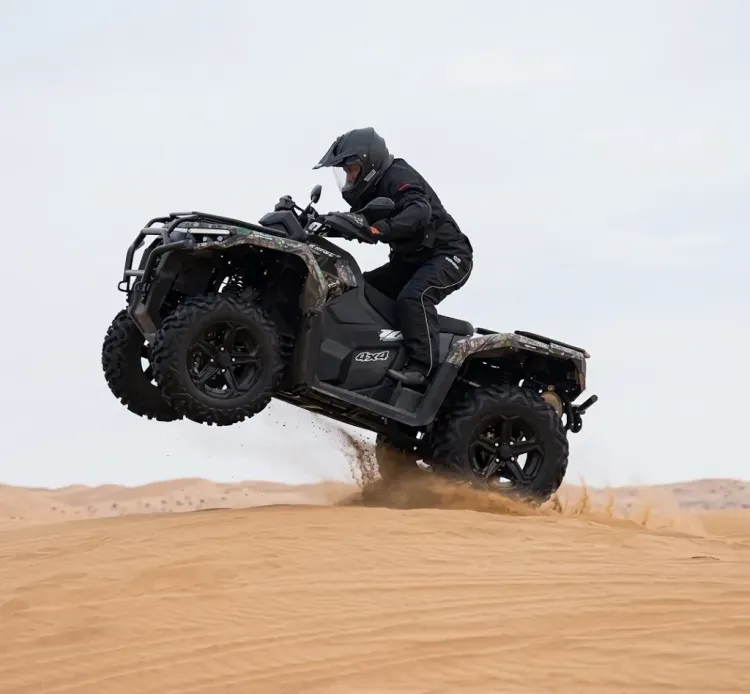 ATV Engine Knocking Noise: Causes and What to Check
ATV Engine Knocking Noise: Causes and What to Check
ATV Engine Knocking Noise: Causes and What to Check
-
Oct 08 2026
learn more
 Is Electronic Suspension Worth It for ATVs & UTVs?
Is Electronic Suspension Worth It for ATVs & UTVs?
Is Electronic Suspension Worth It for ATVs & UTVs?
-
Oct 07 2026
learn more
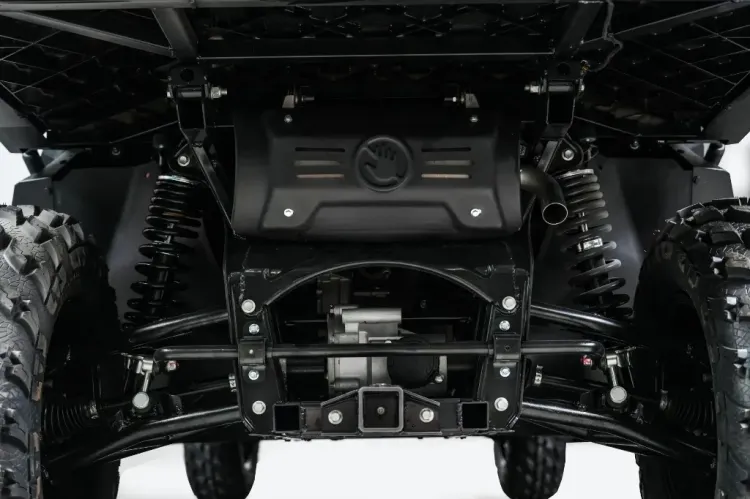 UTV Suspension: Types, Travel, and How It Works
UTV Suspension: Types, Travel, and How It Works
UTV Suspension: Types, Travel, and How It Works
-
Sep 30 2026
learn more
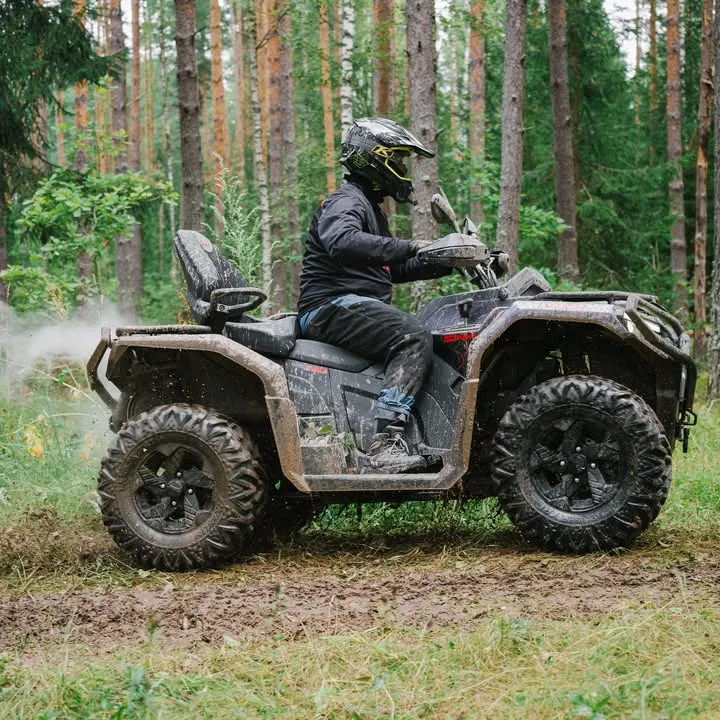 First Buying ATV 10 Thing Need to Know
First Buying ATV 10 Thing Need to Know
First Buying ATV 10 Thing Need to Know